

Description
Minamol 1000 mg is a pharmaceutical product containing paracetamol (also known as acetaminophen) as its active ingredient, primarily manufactured and distributed in Turkey. This medication belongs to the analgesic and antipyretic class of drugs, providing effective relief for mild to moderate pain and fever. The following comprehensive analysis explores the various aspects of Minamol 1000 mg, including its composition, therapeutic applications, pharmacological properties, dosage guidelines, and safety profile, offering valuable information for healthcare professionals and patients alike.
Composition and Physical Characteristics
Minamol 1000 mg tablets contain paracetamol as the primary active ingredient at a concentration of 1000 milligrams per tablet. The formulation also includes several excipients that contribute to the tablet’s physical properties and stability. These inactive ingredients comprise microcrystalline cellulose (which serves as a binding agent), crospovidon (a disintegrant that helps the tablet break down in the digestive tract), colloidal silicon dioxide (which improves flow properties), and magnesium stearate (a lubricant that prevents the tablet from sticking to manufacturing equipment). Physically, Minamol 1000 mg tablets are white in color, oblong in shape, and feature a biconvex design that facilitates swallowing.
Therapeutic Indications
Minamol 1000 mg is primarily indicated for the symptomatic treatment of mild to moderate pain and fever reduction. The medication is particularly effective in managing headaches, toothaches, muscle aches, menstrual pain, and reducing fever associated with common infections such as colds and flu. While paracetamol provides effective pain relief for conditions like arthritis, it does not possess significant anti-inflammatory properties, distinguishing it from non-steroidal anti-inflammatory drugs (NSAIDs). This characteristic makes Minamol 1000 mg a suitable option for patients who cannot tolerate the gastrointestinal side effects commonly associated with NSAIDs or have contraindications to their use.
Mechanism of Action
The pharmacodynamic profile of paracetamol, the active ingredient in Minamol 1000 mg, involves multiple mechanisms that contribute to its analgesic and antipyretic effects. Primarily, paracetamol works through the inhibition of cyclooxygenase (COX) enzymes, particularly COX-2, which are responsible for the production of prostaglandins-compounds involved in pain and fever processes. Unlike traditional NSAIDs, paracetamol’s inhibitory action on COX enzymes is more pronounced in the central nervous system than in peripheral tissues, which explains its limited anti-inflammatory effects and improved safety profile regarding gastrointestinal complications.
Recent research has identified a secondary mechanism involving the metabolite N-arachidonoylphenolamine (AM404), which is formed in the brain after paracetamol administration. AM404 acts as a weak agonist of cannabinoid receptors (CB1 and CB2), inhibits endocannabinoid transporter, and activates TRPV1 receptors, suggesting that the endocannabinoid system plays a role in paracetamol’s analgesic effect. This dual mechanism contributes to the medication’s effectiveness in pain management without causing significant inflammatory modulation.
Pharmacokinetic Profile
Absorption and Distribution
Paracetamol demonstrates favorable pharmacokinetic properties following oral administration. When ingested, it is rapidly and extensively absorbed from the gastrointestinal tract, with an oral bioavailability ranging from 70% to 90%. The absorption rate can be influenced by several factors, including food intake, which may delay but not significantly reduce total absorption. Once in the bloodstream, paracetamol is distributed throughout body fluids in a relatively homogeneous manner, with a volume of distribution of approximately 65 liters. The analgesic effect of paracetamol is attributable to the fraction that penetrates the blood-brain barrier and enters the central nervous system. At therapeutic concentrations, paracetamol exhibits minimal protein binding (less than 20%), though this percentage may increase in cases of overdose.
Metabolism and Elimination
Paracetamol undergoes extensive hepatic metabolism, primarily through conjugation pathways involving glucuronic acid (55%) and sulfuric acid (35%). A small portion is metabolized by the cytochrome P450 enzyme system, specifically isoenzyme CYP2E1, which produces a potentially hepatotoxic metabolite known as N-acetyl-p-benzoquinone imine (NAPQI). Under normal therapeutic conditions, this metabolite is rapidly detoxified through conjugation with glutathione. However, in cases of overdose, glutathione stores become depleted, leading to accumulation of this toxic metabolite and subsequent liver damage.
The metabolites of paracetamol, along with a small percentage (2-5%) of unchanged drug, are eliminated primarily through renal excretion. The elimination half-life of paracetamol is relatively short, typically ranging from 1 to 3 hours in healthy adults, which necessitates repeated dosing for sustained therapeutic effect. Approximately 98% of a single dose is eliminated within 24 hours of administration.
Dosage and Administration
Recommended Dosage
The appropriate dosage of Minamol 1000 mg depends on several factors, including age, weight, and the specific condition being treated. For adults and adolescents over 12 years of age weighing more than 50 kg, the standard recommended dose is one-half to one tablet (500-1000 mg) every 4 to 6 hours as needed for pain relief or fever reduction. The maximum daily dose should not exceed 4000 mg (four tablets) within a 24-hour period under normal circumstances. For individuals who consume alcohol regularly, the maximum recommended daily dose is reduced to 2000 mg due to the increased risk of hepatotoxicity.
Method of Administration
Minamol 1000 mg tablets are designed for oral administration and should be taken with a sufficient amount of water to facilitate swallowing. The tablets can be taken with or without food, although taking them with food may help reduce the likelihood of gastrointestinal discomfort in sensitive individuals. For patients who have difficulty swallowing large tablets, Minamol 1000 mg tablets feature a score line that allows them to be split into two 500 mg doses if necessary.
Duration of Treatment
Minamol 1000 mg is generally intended for short-term use in the management of acute pain and fever. Without medical consultation, the medication should not be used for more than three consecutive days. If symptoms persist or worsen after this period, patients should discontinue use and seek medical advice, as prolonged self-medication may mask underlying conditions requiring different therapeutic approaches or could potentially lead to paracetamol-induced liver damage in susceptible individuals.
Clinical Considerations
Warnings and Precautions
Several important precautions should be observed when using Minamol 1000 mg. The medication should be used with caution in patients with hepatic or renal impairment, as these conditions can affect the metabolism and elimination of paracetamol, potentially leading to accumulation and toxicity. Patients with alcohol consumption habits should exercise particular caution, as concurrent use of alcohol and paracetamol increases the risk of hepatotoxicity through enhanced production of toxic metabolites.
Acute high-dose ingestion of paracetamol can cause severe liver toxicity, while chronic use of high doses may lead to liver damage even in previously healthy individuals. In patients with glutathione deficiency, such as those with sepsis or severe malnutrition, paracetamol use may increase the risk of metabolic acidosis. Healthcare providers should be vigilant for signs of metabolic acidosis, including deep, rapid breathing, nausea, vomiting, and loss of appetite.
Contraindications
Minamol 1000 mg is contraindicated in patients with known hypersensitivity to paracetamol or any of the excipients in the formulation. It should not be used in patients with severe hepatic insufficiency or acute liver disease, as the medication’s metabolism may be compromised, potentially leading to accumulation of toxic metabolites. Additionally, the 1000 mg strength is not suitable for children under 12 years of age or individuals weighing less than 50 kg due to the risk of dosing errors and potential overdose.
Drug Interactions
Although paracetamol has fewer drug interactions compared to many other analgesics, certain important interactions should be considered. Concomitant use with medications that induce hepatic enzymes (such as certain anticonvulsants, barbiturates, and rifampicin) may increase the formation of toxic metabolites of paracetamol, potentially enhancing hepatotoxicity risk. Similarly, concurrent use with other medications containing paracetamol should be avoided to prevent inadvertent overdose. Patients taking anticoagulants such as warfarin should use paracetamol with caution and under medical supervision, as long-term use may enhance the anticoagulant effect, requiring dosage adjustments.
Side Effects
Paracetamol, when used at recommended doses, generally exhibits a favorable safety profile with infrequent adverse effects. However, like all medications, Minamol 1000 mg may cause unwanted effects in some individuals. Common adverse reactions may include somnolence (drowsiness), headache, dizziness, nausea, vomiting, abdominal discomfort, and constipation. These effects are typically mild and transient, resolving with continued use or upon discontinuation of the medication.
Less common adverse effects include upper respiratory tract infections, sensory disturbances (such as tingling or numbness), flatulence, and dyspepsia. Rare but potentially serious adverse effects include blood disorders (leukopenia, thrombocytopenia, pancytopenia), allergic reactions (ranging from skin rashes to severe anaphylactic reactions), bronchospasm in aspirin-sensitive individuals, and hepatic dysfunction. Though extremely rare, severe cutaneous adverse reactions have been reported with paracetamol use, including Stevens-Johnson syndrome and toxic epidermal necrolysis, necessitating immediate medical attention if suspected.
Special Population Considerations
Pediatric Use
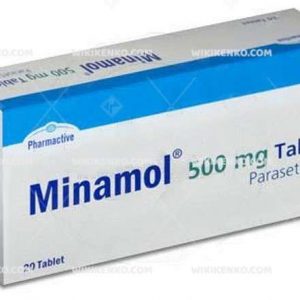
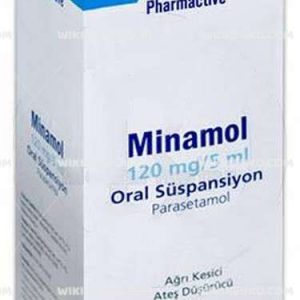
Minamol 1000 mg tablets are not recommended for children under 12 years of age due to the high dosage strength. For pediatric patients requiring paracetamol, age-appropriate formulations such as Minamol 500 mg tablets or liquid formulations designed specifically for children should be used, with dosing based on the child’s age and weight. Parents and caregivers should be educated about proper dosing to avoid medication errors and potential toxicity.
Geriatric Use
Elderly patients may use Minamol 1000 mg, but additional caution is warranted due to age-related changes in physiology that can affect drug metabolism and elimination. Age-associated decreases in liver function may slow the metabolism of paracetamol, while reduced renal function may delay elimination of metabolites. Furthermore, elderly patients often have multiple comorbidities and concomitant medications, increasing the risk of drug interactions. Therefore, starting with lower doses and careful monitoring for adverse effects is advisable in this population.
Pregnancy and Lactation
Paracetamol is generally considered the analgesic of choice during pregnancy when used at recommended doses for short durations. However, as with all medications during pregnancy, the benefits should outweigh potential risks, and use should be limited to situations where clearly needed. Paracetamol crosses the placental barrier but has not been associated with significant congenital malformations. In lactating women, paracetamol is excreted in breast milk in small quantities, but the amount is not considered clinically significant and is unlikely to cause adverse effects in breastfed infants when the mother uses the medication at recommended doses.
Storage and Handling
Minamol 1000 mg tablets should be stored in a cool, dry place away from direct sunlight, preferably at a temperature below 25°C. The medication should be kept in its original packaging until use to protect from moisture and light, which could potentially affect stability. As with all medications, Minamol 1000 mg should be stored securely out of reach of children to prevent accidental ingestion, which could lead to serious toxicity. The medication should not be used beyond its expiration date, as indicated on the packaging.
Key Information Table
| Parameter | Details |
|---|---|
| Active Ingredient | Paracetamol 1000 mg |
| Therapeutic Class | Analgesic and Antipyretic |
| Excipients | Microcrystalline cellulose, Crospovidon, Colloidal silicon dioxide, Magnesium stearate |
| Indications | Relief of mild to moderate pain (headaches, toothaches, muscle aches); Reduction of fever |
| Standard Dosage (Adults) | 1/2-1 tablet (500-1000 mg) every 4-6 hours as needed; Maximum 4 tablets (4000 mg) per day |
| Dosage for Alcohol Users | Maximum 2000 mg per day |
| Administration | Oral, with a glass of water; Can be taken with or without food |
| Duration of Treatment | Not more than 3 consecutive days without medical advice |
| Common Side Effects | Drowsiness, Headache, Dizziness, Nausea, Vomiting, Abdominal pain, Constipation |
| Rare but Serious Side Effects | Allergic reactions, Blood disorders, Liver damage, Kidney damage |
| Contraindications | Hypersensitivity to paracetamol, Severe liver or kidney insufficiency, Children under 12 years |
| Special Precautions | Liver disease, Kidney disease, Alcohol consumption, Malnutrition, Dehydration |
| Drug Interactions | Alcohol, Other paracetamol-containing products, Enzyme-inducing drugs, Anticoagulants |
| Use in Pregnancy | Generally considered safe when used as directed |
| Use in Breastfeeding | Compatible with breastfeeding at recommended doses |
| Storage Conditions | Store below 25°C in a dry place away from light |
| Presentation | White, oblong, biconvex tablets |
| Half-life | Approximately 2.5 hours |
| Bioavailability | 70-90% |
| Primary Metabolism | Hepatic via glucuronidation and sulfation |
| Elimination | Primarily renal excretion of metabolites |
Conclusion
Minamol 1000 mg represents an effective therapeutic option for the management of mild to moderate pain and fever in adults and adolescents over 12 years of age. Its active ingredient, paracetamol, offers analgesic and antipyretic benefits with a favorable safety profile when used as directed. Understanding the pharmacological properties, appropriate dosing, potential adverse effects, and clinical considerations associated with Minamol 1000 mg is essential for healthcare providers and patients to ensure safe and effective use of this medication. As with all pharmacological interventions, individual patient factors should be considered, and medical advice sought when necessary, particularly for extended use or in special populations.










Reviews
There are no reviews yet.