
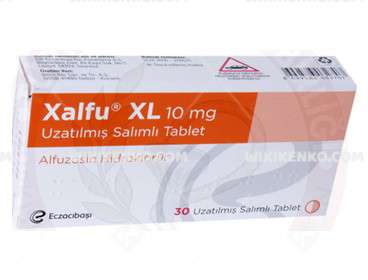
Description
Xalfu XL Uzatilmis 10 mg is a prolonged-release tablet formulation of alfuzosin hydrochloride, specifically designed for male patients suffering from urinary difficulties associated with benign prostatic hyperplasia (BPH). This alpha-blocker medication provides effective symptom relief by relaxing smooth muscles in the bladder neck and prostate, allowing for improved urinary flow. Its extended-release mechanism enables once-daily dosing, enhancing patient compliance.
Composition and Pharmacological Characteristics
Each Xalfu XL Uzatilmis tablet contains 10 mg of alfuzosin hydrochloride as the active ingredient. The formulation also includes excipients such as hypromellose, hydrogenated vegetable oil, calcium hydrogen phosphate dihydrate, povidone, colloidal anhydrous silica, magnesium stearate, propylene glycol, and titanium dioxide.
Pharmacologically, alfuzosin belongs to the selective α1-adrenergic receptor antagonist class. It exerts its therapeutic effect by relaxing the smooth muscle in the prostate and bladder neck, which in turn facilitates urine passage in men with an enlarged prostate.
Indications and Therapeutic Uses
Xalfu XL Uzatilmis is primarily indicated for the management of lower urinary tract symptoms (LUTS) associated with benign prostatic hyperplasia. Clinical scenarios where its use is beneficial include:
- Weak or interrupted urinary stream
- Increased urgency or frequency of urination
- Nocturia (frequent urination at night)
- Difficulty initiating urination
The formulation improves urinary dynamics and helps reduce the discomfort caused by BPH.
Contraindications and Precautions
The use of Xalfu XL is contraindicated in certain patient populations due to the elevated risk of adverse effects and complications. Specifically, individuals diagnosed with severe hepatic impairment must not use this medication, as the liver plays a crucial role in metabolizing alfuzosin, and dysfunction can lead to unpredictable drug accumulation and toxicity. Likewise, any patient with a known hypersensitivity to alfuzosin or any of the formulation’s inactive ingredients should avoid this treatment to prevent allergic reactions. Additionally, patients with a documented history of orthostatic hypotension—characterized by a sudden drop in blood pressure upon standing—are at particular risk, as alfuzosin’s vasodilatory effects may exacerbate this condition, leading to fainting or serious cardiovascular events.
Clinical caution is warranted when prescribing Xalfu XL to patients with mild to moderate liver dysfunction. Although not an absolute contraindication, impaired hepatic function may still alter the drug’s pharmacokinetics and necessitate closer monitoring. Similarly, patients with pre-existing cardiac arrhythmias should be evaluated carefully, as the alpha-blocking activity of alfuzosin may interfere with cardiac conduction and rhythm. Suspected urinary tract infections or bladder outlet obstruction should also prompt caution, as these underlying conditions may complicate the drug’s efficacy or lead to misleading clinical interpretations.
For these patient groups, individualized risk assessment and ongoing monitoring are strongly recommended. Such measures help ensure safe and effective therapy, minimizing the likelihood of serious side effects and optimizing the overall treatment outcome.
Dosage and Administration Guidelines
The recommended dosage for Xalfu XL Uzatilmis is one 10 mg tablet daily, to be taken after the evening meal. This ensures consistent absorption and minimizes the risk of hypotension.
Important administration instructions include:
- Tablets must be swallowed whole; they should not be chewed, crushed, or broken.
- If a dose is missed, it should be skipped, and the next scheduled dose should be taken as usual.
- Never double the dose to make up for a missed tablet.
Xalfu XL Uzatilmis Side Effects
Like all medications, Xalfu XL may cause side effects in some individuals. These range from mild to potentially serious, necessitating medical attention.
| Category | Details |
|---|---|
| Common Side Effects | Dizziness, headache, nausea, fatigue |
| Serious Side Effects | Priapism (prolonged erection), severe hypotension, chest pain, liver enzyme elevation |
| Reported Complaints | Increased heart rate after the first dose, erectile dysfunction in some cases |
Patients experiencing prolonged side effects or severe reactions should consult a healthcare provider immediately.
Drug Interactions
Alfuzosin may interact with various medications, particularly those affecting liver enzymes or blood pressure.
- Antihypertensive agents: Concomitant use may increase the risk of low blood pressure.
- CYP3A4 inhibitors (e.g., ketoconazole, ritonavir): May raise plasma levels of alfuzosin, leading to enhanced effects or toxicity.
Healthcare providers should review all medications a patient is taking to minimize the risk of adverse interactions.
Storage Conditions
To preserve the effectiveness and safety of Xalfu XL, the following storage guidelines must be observed:
- Store below 25°C at room temperature
- Protect from moisture, heat, and direct light
- Do not freeze
- Keep the medication in its original blister packaging
- Store out of reach and sight of children
- Dispose of any expired or unused medication via approved disposal systems
Use in Pediatric Populations
Xalfu XL Uzatilmis is not approved for use in children. Clinical trials involving pediatric patients aged 2–16 years with neurological bladder dysfunction demonstrated no significant improvement in symptoms or urodynamic parameters. Specifically, studies involving nearly 200 children found no notable benefit in detrusor leak point pressure or overall urinary function.
Moreover, there is a lack of safety data for alfuzosin use in children, as existing studies have primarily focused on adult males with BPH. Potential side effects, such as hypotension, syncope, and priapism, are considered especially risky in pediatric populations and have not been adequately studied for this age group. Regulatory agencies and clinical guidelines consistently advise against its use in children.
No off-label uses have been documented or supported for pediatric cases. In adolescents and younger children, alfuzosin’s mechanism as an α1-blocker presents more risks than benefits without clinical validation. Alternative pharmacologic options such as anticholinergics or beta-3 agonists are generally preferred for voiding dysfunction in the pediatric population.
Patient Perspective and Real-World Use
Clinical observations and patient feedback indicate that Xalfu XL offers symptomatic relief within 48 hours of initiating therapy. Notable improvements include reduced nocturia and enhanced urinary flow.
However, during the initial treatment phase, some patients may experience side effects such as fatigue or dizziness, which could result in discontinuation. Proper counseling and monitoring can help ensure adherence and improve long-term outcomes.
Missed Dose and Overdose Guidelines
If a dose of Xalfu XL is missed:
- Take it as soon as remembered, unless it is close to the next dose.
- In that case, skip the missed dose and resume the regular schedule.
- Do not take two tablets simultaneously to compensate.
Overdosing can lead to complications such as severe hypotension, irregular heart rhythms, or fainting. In such cases, immediate medical intervention is necessary.
Summary Table
| Aspect | Details |
|---|---|
| Active Ingredient | Alfuzosin hydrochloride 10 mg |
| Pharmacological Class | Selective α1-adrenergic receptor antagonist |
| Indications | Benign prostatic hyperplasia, LUTS |
| Dosage | One tablet daily, after evening meal |
| Administration | Swallow whole; do not chew or crush |
| Common Side Effects | Dizziness, headache, nausea, fatigue |
| Serious Side Effects | Hypotension, priapism, liver enzyme elevation, chest pain |
| Interactions | CYP3A4 inhibitors, antihypertensives |
| Contraindications | Severe hepatic impairment, allergy to ingredients, orthostatic hypotension |
| Storage | Below 25°C, original blister pack, away from children and moisture |
Conclusion
Xalfu XL 10 mg prolonged-release tablets provide a well-tolerated and effective option for managing the urinary symptoms of benign prostatic hyperplasia. With its once-daily dosing and sustained therapeutic effect, it offers both convenience and clinical benefit. However, careful attention must be given to potential contraindications, interactions, and proper administration to optimize patient outcomes.
Regular medical follow-up is essential to monitor efficacy and safety, especially in patients with cardiovascular or hepatic comorbidities.










mohd –
it is the best for releasing urine …. no side effect … am using it more than two years … i have prostate enlargement
Medical Guidance Center –
Hello Mohd, this is WikiKenko. Thank you for sharing your experience! It’s valuable feedback like yours that helps us and other users understand different perspectives. We appreciate you taking the time to comment.