
Description
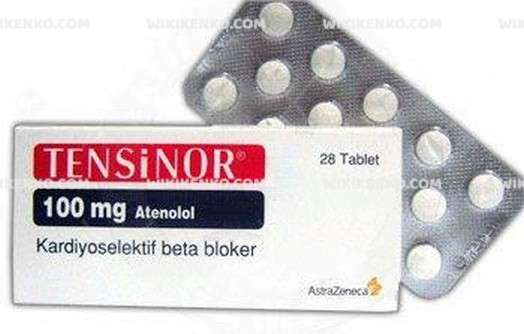
Tensinor 100 mg contains atenolol as the single active ingredient, with each tablet formulated to deliver 100 mg of atenolol for oral administration. In reference products, excipients typically include microcrystalline cellulose, povidone, sodium starch glycolate and magnesium stearate, although the exact excipient profile may vary by manufacturer and jurisdiction. The 100 mg strength is often presented as white, round, scored or flat tablets, enabling flexibility in dosing in clinical practice.
Brand Background and Regulatory Status
Tensinor (atenolol) is described as a beta‑blocker product manufactured in Turkey and marketed internationally, often with non‑English packaging, and used for control of high blood pressure, angina, and cardiac rhythm disorders. The reference compound atenolol is approved by multiple regulatory agencies, including the U.S. FDA, for the treatment of hypertension, angina pectoris and acute myocardial infarction, with extensive post‑marketing experience and long‑term safety data. Regulatory summaries of product characteristics (SmPCs) for atenolol 100 mg tablets in various regions consistently outline similar indications, dosage recommendations, and safety warnings, underscoring class‑wide pharmacological behavior.
Pharmacotherapeutic Group and ATC Classification
Atenolol belongs to the pharmacotherapeutic group of selective β‑adrenergic blocking agents (β1‑selective), classified under ATC code C07AB03. As a second‑generation β‑blocker, atenolol exerts predominant effects on cardiac β1‑receptors at therapeutic doses, with decreasing selectivity at higher doses. This classification underpins its role in cardiovascular disease management, often in combination with other antihypertensives or antianginal agents.
Mechanism of Action
Atenolol competitively antagonizes β1‑adrenergic receptors in the myocardium, thereby reducing heart rate (negative chronotropy), myocardial contractility (negative inotropy) and cardiac output. The reduction in cardiac output and suppression of renin release from the juxtaglomerular apparatus contribute to sustained blood pressure reduction in hypertensive patients. In angina pectoris, atenolol decreases myocardial oxygen demand through lowering heart rate and contractility, improving the balance between oxygen supply and demand and attenuating ischemic chest pain. Additionally, atenolol attenuates sympathetic drive, which can contribute to anti‑arrhythmic effects in supraventricular and certain ventricular arrhythmias.
Pharmacokinetics
Following oral administration, atenolol is moderately absorbed, with bioavailability limited by incomplete gastrointestinal absorption and low first‑pass metabolism. It is hydrophilic, exhibits relatively low plasma protein binding, and distributes predominantly into the extracellular fluid rather than extensively into tissues or the central nervous system. Atenolol is minimally metabolized in the liver and is excreted largely unchanged in the urine, making renal function a critical determinant of elimination half‑life and systemic exposure. A single oral dose of atenolol provides clinically relevant β‑blockade for approximately 24 hours, supporting once‑daily dosing for most indications.
Therapeutic Indications
Approved cardiovascular indications
Regulatory and clinical references support the use of atenolol 100 mg tablets, including Tensinor, for several core cardiovascular indications:
-
Hypertension (essential and secondary), usually as monotherapy or in combination with other antihypertensives.
-
Angina pectoris (chronic stable), for reduction of frequency and severity of anginal episodes.
-
Cardiac arrhythmias, particularly supraventricular tachyarrhythmias and certain ventricular arrhythmias, where β‑blockade is desirable.
-
Myocardial infarction, for early intervention in the acute phase and long‑term secondary prevention after recovery.
Tensinor product information for international pharmacies additionally notes use in irregular heartbeats and as part of standard beta‑blocker therapy in coronary artery disease.
Off‑label and extended uses
Evidence‑based resources describe several off‑label or extended uses for atenolol, although these require individualized risk‑benefit consideration:
-
Prophylaxis of migraine headaches.
-
Management of symptomatic anxiety and somatic manifestations of adrenergic hyperarousal.
-
Adjunctive treatment in alcohol withdrawal and certain hyperadrenergic states.
-
Prophylaxis of esophageal variceal hemorrhage and other specialized indications, often where β‑blockade is beneficial.
Dosage and Administration
Atenolol 100 mg (including Tensinor) is administered orally once daily, with dosing individualized according to indication, clinical response, and patient characteristics. Tablets should be swallowed whole with water and not crushed or chewed, as described in Tensinor product information. Dose titration is usually undertaken cautiously, with clinical monitoring of blood pressure, heart rate and symptom control.
Typical adult dosage regimens
The following table summarizes representative adult dosage regimens derived from atenolol 100 mg tablets SmPCs and Tensinor information; exact prescriptions must follow local product labeling and physician judgment.
Table 1. Representative adult dosing regimens for atenolol (Tensinor) 50–100 mg tablets
| Indication | Initial dose | Usual maintenance dose | Notes |
|---|---|---|---|
| Hypertension | 50 mg once daily | 50–100 mg once daily | May be combined with a diuretic or other antihypertensive if monotherapy is inadequate. |
| Chronic stable angina | 50 mg once daily | 50–100 mg once daily | Dose adjusted according to symptom control and heart rate. |
| Cardiac arrhythmias | 50–100 mg daily | 50–100 mg daily in divided or single doses | Initiation may follow parenteral therapy in acute settings. |
| Secondary prevention post‑MI | 50 mg twice daily or 100 mg once daily | 100 mg daily | Started early after infarction where clinically appropriate. |
Special populations
In patients with renal impairment, dose reduction or extended dosing intervals are recommended due to predominant renal excretion of atenolol. Elderly patients may require lower starting doses and cautious titration because of higher prevalence of reduced renal function and comorbidities. Pediatric dosing is not standardized and is usually restricted to specialized settings, guided by weight‑based regimens and close monitoring.
Clinical Efficacy
Randomized trials and long‑term observational studies demonstrate that atenolol effectively lowers blood pressure and reduces anginal symptoms, with maintained antihypertensive efficacy over prolonged treatment durations. Atenolol improves exercise tolerance and reduces ischemia in patients with chronic angina, and comparative clinical studies have evaluated its anti‑anginal efficacy versus other β‑blockers such as carvedilol.
In hypertension, atenolol decreases cardiovascular morbidity and mortality when used as part of comprehensive risk‑factor management, although some contemporary guidelines place β‑blockers behind other classes in uncomplicated hypertension. Early and continued administration after myocardial infarction contributes to reduction in reinfarction and mortality in selected patients, particularly when initiated in hemodynamically stable individuals.
Safety Profile and Adverse Reactions
Atenolol’s safety profile reflects its pharmacologic β1‑blockade, with adverse reactions often dose‑related and occasionally more pronounced at the 100 mg strength. Common adverse effects include bradycardia, fatigue, cold extremities, dizziness and gastrointestinal disturbances. Tensinor product descriptions also list rare but potentially serious reactions such as bronchospasm, Raynaud’s phenomenon, mood changes, hallucinations, and syncope, which require urgent medical assessment. Atenolol may mask typical adrenergic warning symptoms of hypoglycemia or thyrotoxicosis, particularly in diabetic and thyrotoxic patients, necessitating careful clinical monitoring.
Contraindications and Major Warnings
Atenolol 100 mg tablets are contraindicated in patients with severe bradycardia, higher‑degree atrioventricular block, sick sinus syndrome, cardiogenic shock, uncontrolled heart failure, and severe peripheral circulatory disturbances. Non‑selective or high‑dose β‑blockade is hazardous in uncontrolled bronchial asthma or severe chronic obstructive pulmonary disease, and even β1‑selective agents like atenolol must be used with caution in obstructive airway disease.
Abrupt discontinuation is discouraged, particularly in patients with ischemic heart disease, because of the risk of rebound tachycardia, exacerbation of angina and possible myocardial infarction. Atenolol should be used cautiously in patients with diabetes, peripheral vascular disease, or concomitant use of other bradycardia‑inducing agents.
Drug Interactions
Pharmacodynamic interactions are prominent with atenolol, especially when combined with other negative chronotropic or hypotensive agents.
-
Concomitant use with calcium channel blockers of the verapamil or diltiazem type can potentiate bradycardia, atrioventricular block, and depression of myocardial contractility and is generally contraindicated or requires intensive monitoring.
-
Combination with other antihypertensives (diuretics, ACE inhibitors, ARBs) may augment blood pressure lowering, beneficially or excessively, necessitating titration.
-
Class I antiarrhythmics and amiodarone may increase the risk of conduction disturbances when co‑administered.
-
Anesthetic agents with myocardial depressant effects may exhibit additive negative inotropy and chronotropy during surgery, so anesthetists must be informed of ongoing atenolol therapy.
Use in Pregnancy and Lactation
Atenolol crosses the placenta and has been associated with intrauterine growth restriction when administered in late pregnancy at higher doses, so its use requires careful risk‑benefit evaluation and is generally avoided unless essential. It is excreted in breast milk and may cause bradycardia, hypoglycemia and other β‑blocking effects in the breast‑fed infant, prompting consideration of alternative agents or close neonatal monitoring. Current labeling usually advises caution or avoidance of atenolol during breastfeeding, particularly at 100 mg daily doses.
Practical Clinical Considerations
In clinical practice, Tensinor 100 mg is often reserved for patients who have not achieved adequate control with 50 mg or who require higher β‑blockade intensity, under strict monitoring of heart rate and blood pressure. Dose adjustments in renal impairment, gradual tapering when discontinuing, and avoidance in high‑risk contraindicated states are essential to minimize adverse outcomes. Patients should be counselled not to abruptly stop atenolol, to report symptoms such as severe dizziness, dyspnea, wheezing, or mood changes, and to attend regular follow‑up for cardiovascular parameters and renal function.
Disclaimer
This article provides an academic‑style overview of Tensinor Tablet 100 mg (atenolol 100 mg) based on regulatory documents and references and does not replace an official product information leaflet or individualized medical advice. Prescribing, dose selection, and monitoring must always be performed by a qualified healthcare professional in accordance with current local product labeling and clinical guidelines.











Reviews
There are no reviews yet.