
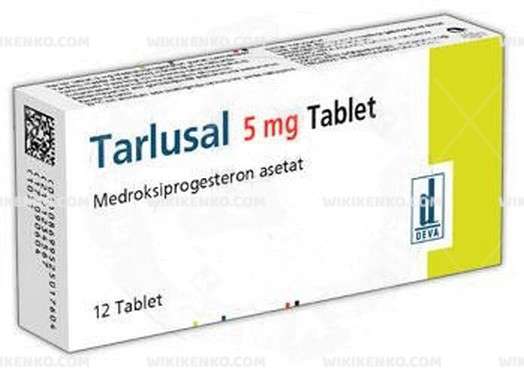
Description
Tarlusal is a pharmaceutical product widely prescribed to manage and correct various hormone-related menstrual disorders in women. Its primary active ingredient, medroxyprogesterone acetate, is a synthetic form of the natural hormone progesterone. This medication plays a critical role in hormone replacement therapies and is often utilized to treat menstrual irregularities caused by an imbalance of estrogen and progesterone.
Medroxyprogesterone, the key compound in Tarlusal, mimics the function of naturally occurring progesterone, thereby helping to restore hormonal balance and support normal menstrual functioning. Women who suffer from abnormal uterine bleeding, secondary amenorrhea, or endometriosis often find relief through the carefully controlled use of this medication. It also proves beneficial for managing conditions like premenstrual syndrome (PMS) and dysmenorrhea, offering both hormonal regulation and symptom alleviation.
Therapeutic Applications of Tarlusal
Tarlusal is indicated in the treatment and management of a broad spectrum of menstrual and gynecological conditions, including:
- Irregular and Heavy Menstrual Bleeding: Tarlusal helps regulate erratic menstrual cycles and reduces excessive menstrual blood loss, particularly in cases linked to hormonal imbalance.
- Amenorrhea (Absence of Menstruation): For women experiencing amenorrhea unrelated to pregnancy or menopause, Tarlusal can stimulate the endometrium and help reinitiate normal menstruation.
- Endometriosis: The medication alleviates symptoms associated with endometriosis such as pelvic pain, dysmenorrhea, and abnormal bleeding.
- Premenstrual Syndrome and Menstrual Pain: Tarlusal is sometimes prescribed to mitigate symptoms of PMS, including mood swings, bloating, and cramping.
By supplementing the body’s progesterone levels, Tarlusal plays a vital role in restoring hormonal balance, thus contributing to improved reproductive health and quality of life for women affected by these conditions.
Composition
Each Tarlusal tablet contains 5 mg of medroxyprogesterone acetate as the active pharmaceutical ingredient. The tablet is white, round, and flat on both sides, featuring a distinct “T” imprinted on one face. The tablets are supplied in blister packs, each containing 12 tablets.
Medroxyprogesterone acetate exerts its effects by binding to progesterone receptors in the reproductive system, suppressing estrogen-induced proliferation of the endometrium, and inducing secretory transformation. This mechanism is crucial for the normalization of menstrual cycles and the reduction of abnormal bleeding patterns.
Dosage and Administration
The dosage of Tarlusal varies based on the condition being treated and individual patient response. Generally, it is administered orally, once daily for a prescribed number of days per month, often during the second half of the menstrual cycle (e.g., days 16–25). Adherence to the prescribed regimen is essential to achieve therapeutic outcomes and minimize side effects.
Healthcare providers may adjust the dosage depending on the severity of symptoms and treatment goals. Therefore, medical consultation prior to initiation is imperative.
Precautions
While Tarlusal offers significant benefits, it must be used cautiously, particularly in individuals with certain medical histories. Contraindications and precautions include:
- History of Thromboembolic Disorders: Women with a history of deep vein thrombosis or pulmonary embolism should avoid Tarlusal unless explicitly approved by a physician.
- Hormone-Sensitive Cancers: Patients with known or suspected breast or reproductive tract cancers should not use this medication unless benefits clearly outweigh the risks.
- Liver Dysfunction: As medroxyprogesterone is metabolized in the liver, pre-existing liver disease may contraindicate its use.
- Unexplained Vaginal Bleeding: Tarlusal should not be taken until the cause of abnormal bleeding is properly diagnosed.
- Pregnancy: The drug should not be used during pregnancy unless prescribed for specific indications under close supervision.
Tarlusal may also interact with other medications, such as anticonvulsants, antifungals, or herbal products like St. John’s Wort. These interactions can reduce efficacy or heighten the risk of adverse effects. Patients must inform their healthcare provider of all current medications and supplements.
Side Effects
Like all hormonal therapies, Tarlusal may cause side effects in some individuals. While most reactions are mild and manageable, some may require medical attention. Common side effects include:
- Breakthrough or irregular bleeding
- Breast tenderness or discharge
- Headache or migraine
- Mood swings, nervousness, or depression
- Vaginal discharge or itching
- Gastrointestinal symptoms such as nausea or bloating
- Insomnia or disturbed sleep
In rare instances, serious adverse reactions may occur, including:
- Severe allergic reactions (rash, hives, swelling, difficulty breathing)
- Signs of blood clot formation (sudden leg pain, chest pain, vision disturbances)
- Jaundice or other indicators of liver dysfunction
Any unusual or persistent symptoms should be promptly reported to a healthcare provider.
Use During Pregnancy and Lactation
Tarlusal is generally not recommended for use during pregnancy unless specifically indicated. If a patient becomes pregnant while on the medication, discontinuation and reevaluation are necessary. During lactation, small amounts of medroxyprogesterone may pass into breast milk. While it is considered relatively safe during breastfeeding, a physician should assess the risks and benefits before prescribing it to lactating mothers.
Summary Table: Key Information on Tarlusal Tablet
| Aspect | Details |
|---|---|
| Active Ingredient | Medroxyprogesterone acetate (5 mg per tablet) |
| Primary Uses | Menstrual irregularities, amenorrhea, endometriosis, PMS, dysmenorrhea |
| Dosage | Oral; typically once daily for 5–10 days per cycle (as prescribed) |
| Common Side Effects | Spotting, breast tenderness, headache, mood changes, insomnia |
| Serious Side Effects | Blood clots, allergic reactions, jaundice |
| Contraindications | Thromboembolic disease, liver dysfunction, hormone-sensitive cancer |
| Use in Pregnancy | Not recommended unless specifically prescribed |
| Lactation | Use with caution; may pass into breast milk |
| Drug Interactions | Anticonvulsants, antifungals, herbal supplements (e.g., St. John’s Wort) |
| Tablet Appearance | White, round, flat; “T” imprint; available in blister packs of 12 tablets |
Conclusion
Tarlusal tablets, containing medroxyprogesterone acetate, serve as a crucial therapeutic option for women suffering from hormonal imbalances and related gynecological conditions. By regulating the menstrual cycle, reducing excessive bleeding, and alleviating the symptoms of disorders like endometriosis and amenorrhea, Tarlusal contributes significantly to women’s health and well-being. However, its use requires careful medical supervision, awareness of contraindications, and attention to potential side effects. Patients are encouraged to maintain open communication with their healthcare providers to ensure safe and effective treatment outcomes.















Reviews
There are no reviews yet.