
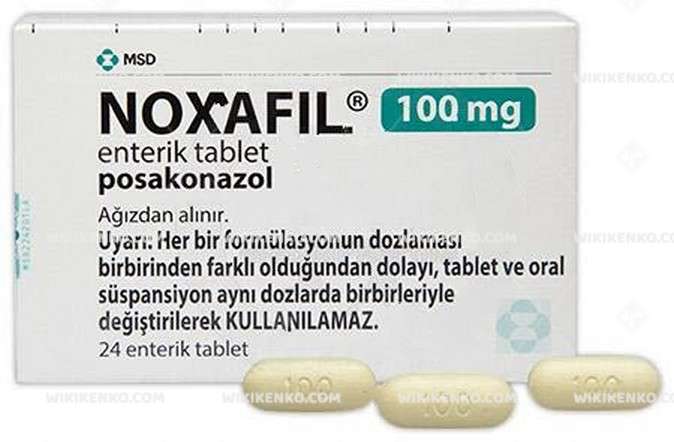
Description
Posaconazole is a second‑generation triazole antifungal structurally related to itraconazole and developed to provide broad‑spectrum activity against yeasts and moulds, including azole‑resistant strains. Noxafil enteric (delayed‑release, gastro‑resistant) 100 mg tablets were designed to overcome food‑dependent absorption and interpatient variability observed with the original oral suspension. These tablets are internationally marketed and the core active ingredient and indications are consistent across regions, although local brand presentations (including Turkish‑labelled products) follow the same fundamental product characteristics.
Pharmaceutical Composition and Formulation
Each gastro‑resistant Noxafil tablet contains 100 mg of the active substance posaconazole. The tablet is film‑coated and formulated as a delayed‑release (enteric) dosage form to minimize dissolution in the stomach and promote release in the small intestine, thereby improving bioavailability and reducing pH‑dependent variability.
Key qualitative formulation features include:
-
Core excipients: microcrystalline cellulose, hydroxypropylcellulose, croscarmellose sodium, colloidal silicon dioxide, magnesium stearate.
-
Enteric polymer: hypromellose acetate succinate as the primary gastro‑resistant matrix.
-
Film‑coat system: polyvinyl alcohol‑based coating with plasticizer (macrogol/PEG 3350), titanium dioxide, talc, and iron oxide yellow.
-
The tablet formulation is sugar‑free, which may be advantageous in patients with diabetes mellitus or those requiring carbohydrate restriction.
The delayed‑release design ensures dissolution at higher intestinal pH, leading to more predictable systemic exposure compared with the oral suspension, which is strongly influenced by food and gastric conditions.
Mechanism of Action and Spectrum of Activity
Posaconazole is a broad‑spectrum antifungal of the triazole class that inhibits the fungal cytochrome P450‑dependent enzyme lanosterol 14α‑demethylase. This enzyme catalyses a critical step in the biosynthesis of ergosterol, a fundamental sterol component of fungal cell membranes. Inhibition of 14α‑demethylase results in depletion of ergosterol and accumulation of toxic 14‑methylated sterol intermediates, leading to altered membrane permeability, impaired membrane‑bound enzyme function, and ultimately growth inhibition or cell death.
In vitro, posaconazole exhibits activity against:
-
Candida spp., including many azole‑resistant isolates.
-
Aspergillus spp. (e.g. A. fumigatus, A. flavus, A. terreus).
-
Zygomycetes (Mucorales), such as Rhizopus and Mucor spp.
-
Other filamentous fungi, including some rare opportunistic pathogens.
The fungistatic or fungicidal effect is species‑dependent and concentration‑dependent.
Clinical Indications
Regulatory product information and clinical trials support the use of posaconazole delayed‑release tablets for prophylaxis and treatment of severe invasive fungal infections in defined high‑risk populations.
Approved prophylactic indications
Noxafil 100 mg delayed‑release tablets are indicated in adults and appropriate adolescents for prophylaxis of invasive Aspergillus and Candida infections in patients at high risk due to severe immunosuppression, such as:
-
Patients with acute myeloid leukaemia (AML) or myelodysplastic syndromes (MDS) receiving intensive remission‑induction chemotherapy associated with prolonged neutropenia.
-
Allogeneic haematopoietic stem cell transplant (HSCT) recipients with graft‑versus‑host disease (GVHD) receiving intensive immunosuppressive therapy.
Randomised trials have shown that posaconazole prophylaxis significantly reduces the incidence of proven/probable invasive fungal infection compared with fluconazole or itraconazole in these settings.
Therapeutic use
Regulatory texts and clinical experience support use of posaconazole (including delayed‑release formulations) for treatment of:
-
Invasive aspergillosis in patients refractory to or intolerant of first‑line agents (e.g. amphotericin B, voriconazole).
-
Other refractory invasive fungal infections caused by susceptible organisms, including zygomycetes and other filamentous fungi.
-
Certain mucosal candidiasis scenarios where alternative azoles are unsuitable, although this is not usually the primary indication.
Local labelling (e.g. in Turkey or other markets) may restrict or extend the formally approved indications, but they generally align with the major regulatory agencies (EMA, FDA, SAHPRA).
Dosage and Administration
Adult dosing regimen (delayed‑release tablets)
For prophylaxis of invasive Aspergillus and Candida infections, the recommended regimen with 100 mg delayed‑release tablets is:
-
Loading dose: 300 mg twice daily (three 100 mg tablets twice on day 1).
-
Maintenance dose: 300 mg once daily (three 100 mg tablets once daily) from day 2 onwards.
The tablets should be swallowed whole and should not be crushed, chewed, or divided, to preserve the integrity of the gastro‑resistant coating. Administration with food is recommended but the delayed‑release formulation mitigates the strong food dependency observed with the suspension, resulting in more stable plasma concentrations.
Duration of prophylaxis is guided by resolution of neutropenia or immunosuppression; treatment is typically continued until recovery of neutrophil counts or reduction of immunosuppressive therapy.
Paediatric and special populations
Regulatory documents allow use of delayed‑release tablets in paediatric patients above a certain age and body weight (often ≥2 years and meeting tablet‑swallowing criteria), with weight‑based dosing approaches. Dose adjustment may be required in hepatic impairment, and therapeutic drug monitoring is employed in some centres to ensure adequate exposure, particularly in critically ill patients.
Pharmacokinetics and Pharmacodynamics
Absorption
Posaconazole delayed‑release tablets are designed to release the active substance in the small intestine, resulting in enhanced and less variable bioavailability compared with the oral suspension. Co‑administration with food modestly increases exposure but is not as critical as for the suspension, where high‑fat meals markedly improve absorption.
Distribution
Posaconazole is highly protein‑bound (>98%) and exhibits a large apparent volume of distribution, reflecting extensive tissue penetration, including into lungs and other sites commonly affected by invasive fungal infections.
Metabolism and elimination
Metabolism is primarily via phase II glucuronidation (UGT‑mediated) with minimal contribution from CYP‑mediated oxidative pathways. Excretion occurs largely via faeces, predominantly as unchanged drug, with limited renal elimination. The terminal half‑life is prolonged, allowing once‑daily maintenance dosing with the delayed‑release tablets.
Exposure–response relationship
Clinical data indicate that higher posaconazole plasma concentrations correlate with improved prophylactic and therapeutic success, particularly in invasive mould infections. Subtherapeutic exposure, for example due to malabsorption or drug interactions, is associated with prophylaxis breakthrough or treatment failure. For this reason, some centres use trough level monitoring (e.g. target trough concentrations around or above 0.7–1.0 mg/L for prophylaxis and higher for treatment), although such targets are based on pharmacokinetic–pharmacodynamic modelling and clinical correlation rather than formal regulatory labelling.
Contraindications and Major Warnings
Noxafil tablets are contraindicated in patients with known hypersensitivity to posaconazole, other azole antifungals, or any excipient in the formulation. Co‑administration with certain drugs metabolised by CYP3A4 is contraindicated due to the risk of serious adverse reactions from elevated co‑medication levels, such as:
-
Specific ergot alkaloids (ergotamine, dihydroergotamine).
-
Certain HMG‑CoA reductase inhibitors (e.g. simvastatin, lovastatin) highly dependent on CYP3A4.
-
Some immunosuppressants at standard doses if dose adjustment and monitoring are not possible.
Major warnings include:
-
Hepatotoxicity: elevation of hepatic transaminases, cholestasis, hepatitis, rare hepatic failure; monitoring of liver function tests at baseline and periodically during therapy is recommended.
-
QT interval prolongation: risk of torsades de pointes, particularly in patients with existing QT prolongation, electrolyte disturbances, or concomitant QT‑prolonging drugs; ECG and electrolyte monitoring are advised.
-
Adrenal insufficiency and other rare serious adverse reactions such as thrombotic microangiopathy have been reported.
Therapy should be discontinued if clinical signs and laboratory evidence indicate severe liver injury or significant cardiac arrhythmia risk.
Adverse Reactions
Common and serious adverse effects
The safety profile of posaconazole has been characterised in large prophylaxis trials and therapeutic studies in severely immunocompromised populations. Commonly reported adverse reactions include:
-
Gastrointestinal: nausea, vomiting, diarrhoea, abdominal pain, dyspepsia.
-
Hepatic: increased ALT, AST, alkaline phosphatase, and bilirubin.
-
Metabolic: hypokalaemia, occasionally hypomagnesaemia.
-
General: headache, pyrexia, fatigue.
Severe but less frequent reactions include:
-
Clinically significant hepatotoxicity, including hepatic failure in patients with multiple comorbidities.
-
Prolongation of QT interval and rare torsades de pointes.
-
Haematologic and thrombotic complications such as thrombotic thrombocytopenic purpura or haemolytic‑uraemic syndrome.
-
Hypersensitivity reactions, including rash, urticaria, and rarely anaphylaxis.
Table 1 summarises key adverse event categories with qualitative frequency descriptors as reported in product information and clinical literature.
Table 1. Representative adverse reaction profile of posaconazole (enteric or systemic formulations)
| Adverse reaction category | Representative manifestations | Qualitative frequency description |
|---|---|---|
| Gastrointestinal effects | Nausea, vomiting, diarrhoea, abdominal pain, dyspepsia | Very common/common in prophylaxis and treatment studies |
| Hepatic laboratory changes | Elevated ALT, AST, ALP, bilirubin | Common; usually reversible but can rarely progress to serious injury |
| Serious hepatotoxicity | Hepatitis, hepatic failure | Uncommon/rare, mostly in heavily co‑morbid patients |
| Cardiac electrophysiology | QT prolongation, torsades de pointes | Rare but clinically significant; risk increased with pre‑existing factors |
| Metabolic effects | Hypokalaemia, hypomagnesaemia | Common; often related to underlying condition and concomitant drugs |
| Haematologic and thrombotic | Thrombotic thrombocytopenic purpura, haemolytic‑uraemic syndrome | Very rare, idiosyncratic events |
| Hypersensitivity and skin | Rash, pruritus, urticaria, rare severe allergy | Uncommon; usually reversible on discontinuation |
Drug–Drug Interactions
Posaconazole is a potent inhibitor of CYP3A4 and can substantially increase plasma concentrations of co‑administered CYP3A4 substrates. Clinically important interactions include:
-
Immunosuppressants: cyclosporine, tacrolimus, sirolimus; dose reductions and close therapeutic drug monitoring are mandatory to avoid nephrotoxicity and other toxicities.
-
Certain benzodiazepines, calcium channel blockers, and some chemotherapeutic agents; increased exposure can lead to enhanced pharmacodynamic effects or toxicity.
-
QT‑prolonging agents: concomitant use may increase arrhythmia risk.
Concomitant use with strong inducers of drug metabolism (e.g. rifampicin, rifabutin, certain anticonvulsants such as phenytoin, carbamazepine) significantly reduces posaconazole exposure and may render therapy ineffective; such combinations are generally contraindicated or strongly discouraged.
Gastric acid‑modifying agents (e.g. proton pump inhibitors) have pronounced effects on the suspension but a reduced impact on delayed‑release tablets, although some reduction in exposure may still occur. Careful review of the complete medication regimen and consultation of up‑to‑date interaction resources are essential before initiating posaconazole.
Comparative Formulation Characteristics
For clinical and pharmaceutical decision‑making, it is important to distinguish between posaconazole formulations, as dosing, pharmacokinetics, and food dependence differ.
Table 2. Comparison of major posaconazole formulations
| Formulation | Strength per unit | Dosing pattern (adult prophylaxis) | Food dependence | Key clinical comments |
|---|---|---|---|---|
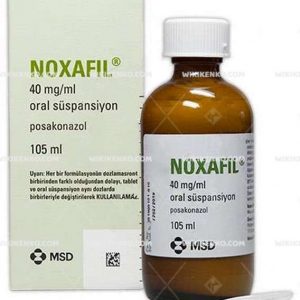
| Oral suspension | 40 mg/mL | 200 mg three times daily (total 600 mg/day) | High; requires administration with food or nutritional supplement for optimal absorption | Historically first oral form; significant interpatient variability; less preferred where tablets are available |
| Delayed‑release (enteric) tablet | 100 mg per tablet | 300 mg twice on day 1, then 300 mg once daily | Moderately food‑responsive but much less dependent than suspension | Provides higher and more predictable exposure; now preferred for prophylaxis where possible |
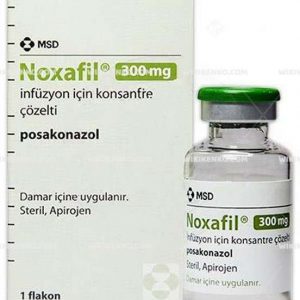
| Intravenous injection | 300 mg per vial | Loading 300 mg twice on day 1, then 300 mg once daily | Not applicable | Used when oral route not feasible; avoids gastrointestinal absorption issues |
Clinical Efficacy Evidence
Randomised controlled trials have demonstrated that posaconazole is at least non‑inferior and, in certain prophylactic settings, superior to fluconazole or itraconazole in preventing invasive fungal infections in high‑risk haematology patients. In AML/MDS patients undergoing intensive chemotherapy, posaconazole prophylaxis significantly reduced proven/probable invasive fungal infection rates and improved survival compared with fluconazole or itraconazole. In HSCT recipients with GVHD, similar reductions in invasive Aspergillus and Candida infections were observed, supporting its routine use in this high‑risk setting.
For treatment of invasive aspergillosis and other refractory fungal infections, open‑label and comparative studies have shown clinical responses in patients who failed or could not tolerate first‑line therapies. While not always first‑line for invasive aspergillosis, posaconazole is recognised as an important option in salvage therapy and in infections due to organisms with limited susceptibility to other azoles.
Use in Special Populations
Hepatic impairment
Because posaconazole is hepatically metabolised and associated with hepatotoxicity, caution is required in patients with underlying liver disease. Regular monitoring of liver function is recommended, and benefit–risk assessment should be individualised.
Renal impairment
Posaconazole is minimally renally cleared, and no major dosage adjustment is usually required in renal impairment for oral formulations. However, intravenous formulations contain cyclodextrin excipients that may accumulate in severe renal dysfunction, which should be considered when switching between formulations.
Elderly, pregnant and breastfeeding women
Elderly patients may receive the same dosing regimen but require closer monitoring due to comorbidities and polypharmacy. Data in pregnancy are limited; posaconazole is usually avoided unless the potential benefit justifies the potential risk to the foetus, and effective contraception is generally recommended during treatment. Breastfeeding is typically not recommended during therapy because of the lack of definitive data on excretion into human milk.
Practical Clinical Considerations
In practice, selection of Noxafil enteric tablets is often driven by the need for reliable prophylaxis in high‑risk haematology or transplant patients, where achieving and maintaining adequate systemic exposure is crucial to prevent life‑threatening invasive fungal disease. Clinicians must integrate considerations of drug–drug interactions, hepatic function, QT interval, gastrointestinal function, and local susceptibility patterns when prescribing posaconazole. Therapeutic drug monitoring, while not mandatory in all guidelines, is widely employed in specialised centres to optimise individual patient outcomes, particularly in complex or refractory infections.
Disclaimer
This article summarises evidence‑based information from regulatory product characteristics, clinical guidelines, and peer‑reviewed literature and is intended for educational use by healthcare professionals. It does not replace country‑specific product labelling or individual clinical judgement; prescribing decisions must be based on the official summary of product characteristics and the patient’s specific clinical context.











Хатуна хоштария –
rсколко стоит на долари..
Medical Guidance Center –
Здравствуйте, Хатуна хоштария, это WikiKenko. Благодарим вас за ваш комментарий.
Стоимость медицинских препаратов может меняться в зависимости от вашего местоположения и их наличия в аптеках. Обратите внимание, что WikiKenko не занимается продажей лекарств. Чтобы увидеть актуальную информацию о ценах, пожалуйста, войдите в свой аккаунт WikiKenko.