
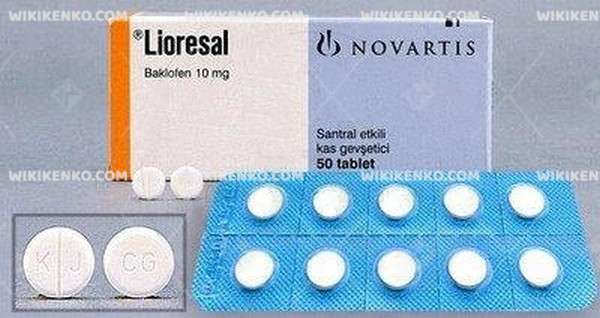
Description
Composition
Each Lioresal tablet contains 10 mg of baclofen. In addition to the active ingredient, the tablet formulation includes excipients such as magnesium stearate, wheat starch, and polyvinylpyrrolidone.
Therapeutic Uses
Lioresal is widely used to manage muscle spasms arising from various neurological and muscular conditions, including:
- Multiple sclerosis
- Spinal cord injuries
- Cerebral palsy
- Certain brain diseases
By targeting muscle relaxation, Lioresal helps reduce pain, improve mobility, and assist in physical therapy, making it a vital part of treatment for many patients.
Dosage and Administration
Lioresal is administered orally, either with or without food, according to the specific guidance of a healthcare provider. The treatment typically starts at a low dosage and is gradually increased to minimize side effects. The usual regimen involves taking Lioresal three times daily.
Dosage Guidelines:
- Starting Dose: 5 mg taken orally three times daily for three days.
- Progression: Gradual increase to 10 mg, 15 mg, and 20 mg taken orally three times daily in three-day intervals.
- Maximum Dose: The total daily dosage should not exceed 80 mg.
Special Instructions for Use
- Liquid Form: Shake well before each dose and measure carefully using a medical device (not a household spoon).
- Granules: If using granules, mix with a small amount of soft food or liquid and consume within two hours to maintain effectiveness.
Precautions
Before beginning treatment with Lioresal, it is essential to inform your healthcare provider if you have any of the following conditions:
- Allergies to baclofen or any of the excipients in the formulation.
- Mental illness or psychosis
- Epilepsy or seizure disorders
- Kidney disease
- High blood pressure or cardiovascular conditions
- History of stroke or blood clots
Interactions
Lioresal may interact with several medications, leading to increased risks of side effects or reduced effectiveness. Notable drug interactions include:
Major Interactions:
- Alcohol: Can amplify the risk of side effects.
- Opioid pain medications.
- Other muscle relaxants.
- Medications for sleep or anxiety.
Moderate Interactions:
- Antihistamines (e.g., cetirizine, diphenhydramine).
- Mental health medications (e.g., quetiapine, sertraline).
- Pain relievers (e.g., acetaminophen, ibuprofen).
Minor Interactions:
- Certain vitamins and supplements (e.g., Vitamin D3, omega-3 fatty acids).
Disease Interactions:
- Renal dysfunction
- Autonomic dysreflexia
- Psychosis
- Seizure disorders
It is crucial to provide a complete list of all medications, including over-the-counter drugs, supplements, and herbal products, to your healthcare provider.
Storage Instructions
Lioresal should be stored at room temperature, away from light and moisture. It should be kept out of the reach of children and pets. Avoid storing it in bathrooms, where humidity may affect its stability.
Frequently Asked Questions
1. Can I take Lioresal with food? Yes, Lioresal can be taken with or without food. If the medication causes stomach upset, taking it with food may alleviate the discomfort. However, it is always best to follow your healthcare provider’s instructions.
2. How long does it take for Lioresal to start working? Lioresal typically begins to take effect within one hour of oral administration. Peak efficacy is usually achieved within two to three hours, although the onset of action may vary depending on the condition being treated and the dosage used.
3. Can I take Lioresal with other medications? Lioresal interacts with various drugs, including muscle relaxants, pain relievers, and medications for mental health conditions. It is important to consult with your healthcare provider before combining Lioresal with other treatments to avoid adverse interactions.
Side Effects of Lioresal
Common Side Effects:
- Drowsiness
- Dizziness
- Weakness
- Fatigue
- Headache
- Insomnia
- Nausea
- Increased urination
- Constipation
These side effects are usually mild and may subside as the body adjusts to the medication. However, if any of these effects persist or worsen, contact your healthcare provider promptly.
Serious Side Effects:
- Mental changes (e.g., confusion, depression, hallucinations)
- Seizures
- Allergic reactions (e.g., rash, itching, swelling)
- Difficulty breathing
If you experience any of these severe side effects, seek immediate medical attention.
Table of Lioresal Information
| Category | Details |
|---|---|
| Active Ingredient | Baclofen (10 mg per tablet) |
| Uses | Treatment of muscle spasms in conditions like multiple sclerosis, spinal cord injuries, and cerebral palsy |
| Dosage | Starting dose: 5 mg three times daily; increased to 10-20 mg depending on patient tolerance |
| Administration | Oral, with or without food; liquid form should be shaken, and granules mixed with soft food or liquid |
| Common Side Effects | Drowsiness, dizziness, headache, nausea, increased urination, constipation |
| Serious Side Effects | Mental/mood changes, seizures, allergic reactions, difficulty breathing |
| Storage | Store at room temperature, away from moisture and light; keep out of reach of children |
| Drug Interactions | Major: alcohol, opioids, muscle relaxants; Moderate: antihistamines, pain relievers; Minor: supplements |
| Special Instructions | Avoid combining with alcohol; shake liquid well before use, and use proper measuring devices |
Conclusion
Lioresal is a highly effective medication for the management of muscle spasms and spasticity, particularly for individuals with multiple sclerosis, spinal cord injuries, or cerebral palsy. While it offers significant benefits in terms of symptom relief and enhanced mobility, it is essential to adhere to proper dosing and consult with your healthcare provider regarding any potential drug interactions or side effects. Always ensure regular medical follow-up to optimize treatment and prevent complications.














Reviews
There are no reviews yet.