
Description
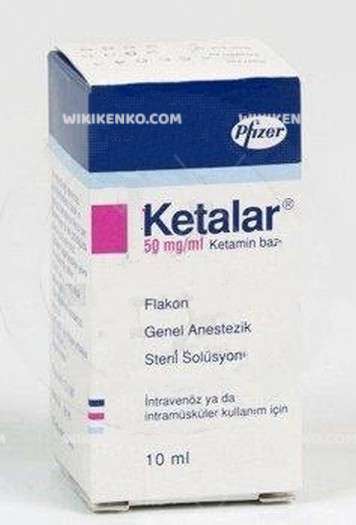
Ketalar Injection Vial (ketamine hydrochloride) is a dissociative general anesthetic belonging to the arylcyclohexylamine class, widely used for short diagnostic and surgical procedures and as an adjunct to other anesthetic agents. The product described (576 mg ketamine hydrochloride, equivalent to 500 mg ketamine base) is consistent with high‑concentration multidose presentations used in operating rooms and intensive care settings, including internationally marketed 500 mg vials.
Pharmaceutical Composition and Presentation
Ketalar is supplied as ketamine hydrochloride in aqueous solution for intravenous (IV) or intramuscular (IM) use, with strength expressed as ketamine base equivalent. Typical multidose vials include 200 mg/20 mL (10 mg/mL), 500 mg/10 mL (50 mg/mL), and 500 mg/5 mL (100 mg/mL) ketamine base equivalents, corresponding to higher milligram amounts of ketamine hydrochloride.
Each milliliter of Ketalar multidose solution contains ketamine base (e.g., 50 mg/mL, equivalent to approximately 57.7 mg/mL ketamine hydrochloride in the 500 mg/10 mL vial), benzethonium chloride as preservative, and water for injection; the 10 mg/mL solution is rendered isotonic with sodium chloride. The example composition “Ketamine Hydrochloride 576 mg (equivalent to 500 mg ketamine base)” is chemically consistent with this ratio of base to salt content.
Mechanism of Action and Pharmacodynamics
Ketamine is a non‑competitive antagonist at the N‑methyl‑D‑aspartate (NMDA) receptor, producing dissociative anesthesia characterized by profound analgesia, amnesia, and catalepsy while typically preserving airway reflexes and spontaneous respiration. Secondary mechanisms include interactions with opioid receptors, monoaminergic pathways, and voltage‑gated calcium channels, contributing to analgesia and modulation of central sensitization.
Hemodynamic effects are notable: ketamine generally increases blood pressure, heart rate, and cardiac output through sympathetic stimulation and inhibition of catecholamine reuptake, which can be advantageous in hemodynamically unstable patients but contraindicated where marked hypertension is hazardous. Cerebral blood flow and intracranial pressure may increase; caution is required in patients with raised intracranial pressure or certain cerebrovascular conditions.
Pharmacokinetics
Following IV administration, onset of anesthesia occurs within approximately 30 seconds, with a typical duration of surgical anesthesia of 5–10 minutes after a single induction bolus. IM administration at recommended doses produces anesthesia within 3–4 minutes, with effects lasting about 12–25 minutes.
Ketamine exhibits rapid distribution with high tissue uptake, followed by hepatic biotransformation via CYP450 enzymes (notably CYP2B6 and CYP3A4) to norketamine and other metabolites. Elimination is primarily renal, with an elimination half‑life typically in the range of 2–3 hours, although clinical recovery from anesthesia is much shorter due to redistribution.
Indications and Clinical Uses
Approved anesthetic indications
Ketalar (ketamine hydrochloride injection) is indicated:
-
As the sole anesthetic agent for diagnostic and surgical procedures that do not require skeletal muscle relaxation.
-
For induction of anesthesia prior to administration of other general anesthetics.
-
As an adjunct to other anesthetic agents during maintenance of anesthesia.
These indications encompass a broad range of short procedures, including minor surgical interventions, burn dressings, and diagnostic procedures where maintenance of spontaneous ventilation is desired.
Off‑label and extended uses
In addition to labeled anesthetic uses, ketamine is employed off‑label at subanesthetic doses for:
-
Acute perioperative and trauma pain management, especially in opioid‑tolerant patients.
-
Analgesia in sickle cell crises and other severe acute pain syndromes.
-
As part of multimodal regimens for treatment‑resistant depression (using separate, specifically formulated products and protocols).
Such uses require specialized protocols and careful monitoring, often outside the scope of standard Ketalar labeling.
Dosage and Administration
Dosing of Ketalar Injection Vial must be individualized and titrated to the desired clinical effect, taking into account patient age, comorbidities, concomitant medications, and the need for adjunct sedatives or analgesics. Rapid IV administration of high doses increases the risk of respiratory depression, apnea, and hemodynamic perturbations; slow administration and appropriate monitoring are essential.
Recommended anesthetic doses (adults)
-
IV induction: 1–4.5 mg/kg administered slowly over about 60 seconds; alternatively, 1–2 mg/kg at approximately 0.5 mg/kg/min.
-
IM induction: 6.5–13 mg/kg; doses of 9–13 mg/kg usually produce surgical anesthesia within 3–4 minutes, lasting 12–25 minutes.
-
Maintenance: supplemental IV or IM doses can be administered incrementally to maintain anesthesia, recognizing that higher cumulative doses prolong recovery.
Subanesthetic dosing (analgesia and sedation)
For analgesia and procedural sedation in adults, continuous IV infusion regimens may use:
-
Initial bolus: about 0.3–0.5 mg/kg IV, followed by
-
Continuous infusion: approximately 0.1–0.2 mg/kg/h, not exceeding 1 mg/kg/h without intensive monitoring.
These regimens are adjunctive and typically combined with opioid and non‑opioid analgesics.
Example Dosing and Concentration Table
The following table illustrates typical Ketalar vial strengths and example adult induction doses for a 70‑kg patient (for educational purposes; actual dosing must be individualized by a clinician):
| Parameter | Value/Description |
|---|---|
| Vial strength (example) | 500 mg/10 mL (50 mg/mL ketamine base equivalent) |
| Approximate ketamine HCl per vial | ~576 mg ketamine hydrochloride (equivalent to 500 mg base) |
| IV induction dose range (70‑kg adult) | 70–315 mg ketamine base (1–4.5 mg/kg) |
| Corresponding volume from 50 mg/mL vial | 1.4–6.3 mL for IV induction (70–315 mg) |
| IM induction dose range (70‑kg adult) | 455–910 mg ketamine base (6.5–13 mg/kg) |
| Corresponding volume from 50 mg/mL vial | 9.1–18.2 mL (dose may require >1 vial) |
Adverse Reactions
Ketalar is associated with a characteristic spectrum of adverse drug reactions affecting cardiovascular, respiratory, neurologic, psychiatric, and genitourinary systems.
Common and clinically significant adverse effects
-
Cardiovascular: transient elevations in blood pressure and heart rate are frequent; hypotension, bradycardia, arrhythmias, and cardiac decompensation have also been reported.
-
Respiratory: although respiratory drive is often preserved, rapid IV injection or high doses may cause respiratory depression, apnea, laryngospasm, or airway obstruction.
-
Central nervous system: emergence phenomena (vivid dreams, hallucinations, delirium, confusion) are characteristic, particularly in adults and when no benzodiazepine is co‑administered.
-
Neurologic/ocular: increased intracranial and intraocular pressure has been observed; caution is needed in patients with elevated baseline pressures.
-
Genitourinary: chronic or high‑frequency use has been associated with cystitis and severe irritative lower urinary tract symptoms.
-
Hypersensitivity: anaphylaxis, urticaria, rash, and transient erythema have been reported.
Adverse Reaction Profile Table
| System/Organ Class | Representative reactions |
|---|---|
| Cardiovascular | Hypertension, tachycardia, hypotension, bradycardia, arrhythmias |
| Respiratory | Respiratory depression, apnea, laryngospasm, airway obstruction |
| Psychiatric/Neurologic | Hallucinations, vivid dreams, delirium, agitation, confusion |
| Neurologic/ICP/IOP | Increased intracranial pressure, increased intraocular pressure |
| Genitourinary | Cystitis, dysuria, urinary frequency and urgency (chronic use) |
| Immune/skin | Anaphylaxis, rash, morbilliform eruption, erythema |
Contraindications and Major Warnings
Ketalar is contraindicated in patients for whom a significant increase in blood pressure would pose a serious hazard, such as certain forms of uncontrolled hypertension, aneurysmal or severe coronary artery disease, or intracranial pathology at high risk of hemorrhage. It should not be used in individuals with known hypersensitivity to ketamine or any formulation component.
Warnings include:
-
Elevated intracranial pressure: use with caution, with appropriate monitoring and measures to control ICP.
-
Emergence reactions: consider premedication with benzodiazepines and calm recovery environments to mitigate dysphoric emergence.
-
Respiratory compromise: risk of depression and apnea with rapid or high‑dose IV administration; airway equipment and resuscitation facilities must be immediately available.
-
Chronic abuse: long‑term non‑medical use is associated with dependence, tolerance, cognitive impairment, and profound urinary tract toxicity.
Drug Interactions
Clinically relevant interactions include:
-
Theophylline/aminophylline: concomitant use may lower the seizure threshold; alternative agents should be considered.
-
Central nervous system depressants (benzodiazepines, opioids, inhalational anesthetics): additive sedative and respiratory depressant effects necessitate careful titration and monitoring.
-
Sympathomimetics and vasopressors: may potentiate ketamine‑induced increases in blood pressure and heart rate.
Special Populations
Pediatric patients
Ketamine is widely used in pediatric anesthesia and emergency medicine, generally with similar indications and dosing ranges adjusted for weight; however, concerns exist regarding potential neurotoxicity from prolonged or repeated exposure in early life, as highlighted in general anesthetic neurodevelopmental warnings. Age‑appropriate monitoring, dose adjustments, and avoidance of unnecessary repeated anesthesia are recommended.
Geriatric patients
Elderly patients may exhibit heightened sensitivity to cardiovascular and CNS effects, including emergence phenomena and confusion; lower initial doses and cautious titration are advisable.
Pregnancy and lactation
Ketalar crosses the placenta; use in pregnancy is generally restricted to situations where potential maternal benefit justifies fetal risk (e.g., emergency surgery). Data on excretion into human milk are limited; caution is recommended when administering ketamine to breastfeeding women.
Renal and hepatic impairment
Because ketamine is hepatically metabolized and renally excreted, significant hepatic or renal impairment may alter clearance and prolong effects, warranting dose reduction and enhanced monitoring.
Overdosage and Management
Overdosage or overly rapid administration may result in pronounced respiratory depression or apnea, marked elevation or depression of blood pressure and heart rate, and prolonged unconsciousness. Management is primarily supportive: ensure airway patency, provide assisted or mechanical ventilation as needed, monitor cardiovascular status, and treat severe hemodynamic changes with appropriate pharmacologic measures.
Storage, Handling, and Preparation
Ketalar multidose vials should be stored at controlled room temperature as specified in the product labeling and protected from extreme temperature variations. Vials contain a preservative (benzethonium chloride), and once punctured, should be handled under aseptic conditions, with adherence to local policies regarding maximum in‑use time. Solutions should be visually inspected for particulate matter and discoloration prior to administration; only clear, colorless solutions should be used.
Clinical Positioning and Conclusion
Ketalar Injection Vial, in high‑strength presentations such as 500 mg/10 mL (approximately 576 mg ketamine hydrochloride), remains a key agent in modern anesthetic practice due to its rapid onset, reliable dissociative anesthesia, and relative preservation of airway reflexes and spontaneous breathing. Its use demands stringent monitoring and adherence to evidence‑based dosing, with particular attention to cardiovascular stimulation, neuropsychiatric emergence reactions, and potential genitourinary toxicity with chronic exposure.
Essential medical disclaimer: The information provided here is for academic and informational purposes only and does not substitute for the full prescribing information or individualized clinical judgment. Ketalar or any ketamine‑containing injection must only be prescribed, prepared, and administered by qualified healthcare professionals with appropriate monitoring and resuscitation facilities immediately available.











Reviews
There are no reviews yet.