
Description
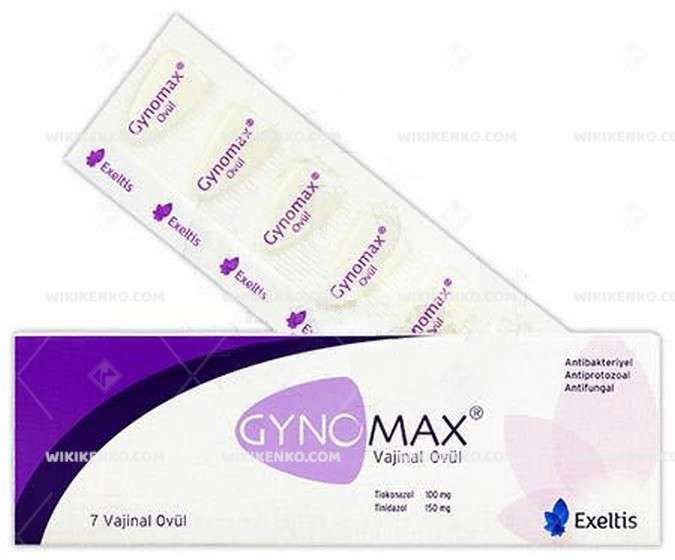
Gynomax Vaginal Ovul is a widely used vaginal ovule medication designed to treat various vaginal infections, offering effective relief for patients, particularly those experiencing conditions such as bacterial vaginosis, trichomonal vaginitis, and candidiasis. With its unique formulation, Gynomax delivers active ingredients directly to the site of infection, offering localized treatment that minimizes systemic side effects.
This makes Gynomax an ideal choice for women who need a highly effective, direct-acting therapy for vaginal infections. The medication comes in different formulations, each designed to target specific symptoms and infections with varying combinations of active ingredients, including Tioconazole, Tinidazole, and Lidocaine.
Formulations and Active Ingredients
Gynomax is available in several different formulations, each offering a tailored approach to treatment based on the severity and type of infection. The original formulation, Gynomax, contains two active ingredients: Tioconazole (100 mg) and Tinidazole (150 mg). Tioconazole is an antifungal agent, while Tinidazole is an antibiotic. This combination is particularly effective against fungal and bacterial infections that commonly affect the vaginal area.
For patients who require additional symptom relief, especially from pain and discomfort, there are enhanced formulations such as Gynomax L and Gynomax XL. Gynomax L contains the same Tioconazole and Tinidazole combination but adds Lidocaine (100 mg) for local anesthetic action, providing immediate relief from the irritation and burning that often accompanies vaginal infections.
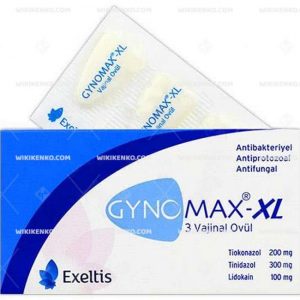
The Gynomax XL formulation is a stronger version, containing higher doses of Tioconazole (200 mg) and Tinidazole (300 mg), along with Lidocaine (100 mg). This higher concentration is useful for treating more severe infections or providing rapid relief in cases of particularly painful symptoms.
Another variant of Gynomax, labeled as Gynomax Ovule, includes a combination of Metronidazole, Neomycin sulfate, Nystatin, and Hydrocortisone acetate. These ingredients offer a broader spectrum of antimicrobial activity and anti-inflammatory effects, making it suitable for treating more complex or resistant vaginal infections.
Indications for Use
Gynomax is primarily indicated for the treatment of various vaginal infections, including but not limited to:
- Trichomonal Vaginitis: An infection caused by the parasite Trichomonas vaginalis that often leads to symptoms such as itching, irritation, and discharge.
- Bacterial Vaginosis (BV): A common condition in women that occurs when there is an imbalance in the normal bacteria of the vagina. BV is characterized by a distinct, fishy odor and can lead to discomfort or itching.
- Candidal Vulvovaginitis (Vaginal Yeast Infections): Caused by the overgrowth of the Candida fungus, yeast infections often result in itching, swelling, and a thick, white discharge.
- Mixed Vaginal Infections: Occur when both fungal and bacterial infections are present at the same time.
- Non-Specific Vaginitis: A general inflammation of the vaginal area that can be caused by various factors, including infections, allergic reactions, or irritation.
Dosage and Administration
The standard administration of Gynomax involves inserting one ovule deep into the vagina at night before going to sleep. The duration of treatment varies based on the formulation used and the nature of the infection. For example, Gynomax XL is typically administered once daily for three consecutive days.
It is essential to complete the full course of treatment to ensure the infection is fully resolved, even if symptoms improve before the treatment is finished. In cases of menstruation, it is crucial to continue treatment without interruption to maintain therapeutic effectiveness.
Efficacy and Safety
Gynomax has demonstrated high efficacy in treating a range of vaginal infections. Clinical studies have shown that the use of Gynomax XL for bacterial vaginosis, candidiasis, and mixed infections yields impressive clinical recovery rates, with studies indicating a success rate of 80-86% within 10 to 30 days after treatment.
One of the key advantages of Gynomax XL is the convenience of a three-day treatment regimen, which is shorter compared to other oral or topical therapies. The addition of Lidocaine helps provide rapid symptomatic relief, particularly from the burning and itching associated with infections.
In terms of safety, Gynomax is generally well tolerated. No serious adverse events or treatment discontinuations due to side effects were reported in clinical trials. The adverse effects that have been observed are typically mild, including gastrointestinal symptoms like nausea, vomiting, and diarrhea, as well as mild local irritation at the site of administration. Overall, the risk of side effects is minimal when the medication is used as directed.
Gynomax Vaginal Ovul Side Effects
While Gynomax is generally safe and effective, there are some potential side effects that patients should be aware of:
- Gastrointestinal issues: Nausea, vomiting, and diarrhea are uncommon but may occur in some individuals.
- Metallic or bitter taste: This can occur due to systemic absorption of the medication or localized effects.
- Local irritation: Mild irritation, such as burning, itching, or soreness, may occur in the vaginal area. This is a common side effect with antifungal and antimicrobial treatments.
- Pregnancy and breastfeeding: Pregnant or breastfeeding women should consult with a healthcare provider before using Gynomax, as the safety of the medication during these stages has not been definitively established.
It is essential for users to monitor for any adverse reactions and consult a healthcare provider if unusual symptoms occur.
Pregnancy and Breastfeeding
The use of Gynomax Vaginal Ovule during pregnancy and breastfeeding should only be undertaken under the guidance of a healthcare professional. While there are no significant reports of adverse effects from using Gynomax in pregnant women, the safety of the medication has not been fully established.
The active ingredients, Tinidazole and Tioconazole, belong to classes of drugs that are generally used with caution during pregnancy. Topical treatments, such as Gynomax, may offer a safer alternative compared to oral medications since they minimize systemic exposure.
Drug Interactions
Limited information is available regarding drug interactions with Gynomax Vaginal Ovule. However, it is essential to consider the potential interactions between its active components:
- Tioconazole: No significant drug interactions have been reported, but it is always best to consult a healthcare provider when using multiple medications.
- Tinidazole: As a nitroimidazole antibiotic, Tinidazole may interact with several drugs, including anticoagulants (e.g., warfarin), lithium, and certain antiepileptic medications.
- Lidocaine: While generally safe for local use, Lidocaine may interact with other drugs that affect the central nervous system or heart rate.
Patients should inform their healthcare provider about any other medications or supplements they are using to avoid potential interactions.
Missed Dose
If a dose of Gynomax is missed, the general recommendation is to take the missed dose as soon as possible. However, if the time for the next dose is approaching, it is better to skip the missed dose and continue with the regular schedule. Do not double the dose to make up for a missed one, as this can lead to irritation or potential overdose.
Comparative Effectiveness
Gynomax Vaginal Ovule, particularly the Gynomax XL formulation, compares favorably with other treatments for bacterial vaginosis (BV) and yeast infections. Studies have shown that Gynomax XL achieves cure rates comparable to oral metronidazole, which is commonly used for BV.
However, the intravaginal administration of Gynomax XL offers the advantage of delivering the active ingredients directly to the site of infection, reducing the risk of systemic side effects. Additionally, the inclusion of Lidocaine helps alleviate the discomfort often associated with vaginal infections, improving patient compliance.
Summary Table
| Aspect | Details |
|---|---|
| Active Ingredients | Tioconazole, Tinidazole, Lidocaine (varies by formulation) |
| Dosage Form | Vaginal Ovule |
| Primary Indication | Vaginal infections (e.g., Trichomonal Vaginitis, BV, Yeast Infections) |
| Dosage | One ovule per night for 3-7 days, depending on formulation |
| Common Side Effects | Nausea, vomiting, diarrhea, local irritation, metallic taste |
| Contraindications | Pregnancy (consult healthcare provider), breastfeeding (consult provider) |
| Onset of Action | Typically within 24 hours |
| Manufacturer | Gynomax manufactured by the respective pharmaceutical company |
| Notable Advantages | Direct intravaginal application, rapid relief from symptoms, reduced systemic side effects |
Conclusion
Gynomax Vaginal Ovule is an effective and well-tolerated treatment option for vaginal infections. Its various formulations, including Gynomax, Gynomax L, and Gynomax XL, offer flexibility in addressing different levels of infection severity and providing symptom relief. The medication is generally safe when used as directed, with most adverse effects being mild and manageable. However, as with all medications, it is essential to use Gynomax under the guidance of a healthcare provider, especially during pregnancy or when other medications are being taken.












Reviews
There are no reviews yet.