Description
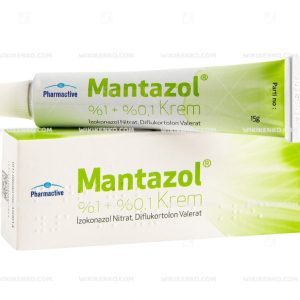
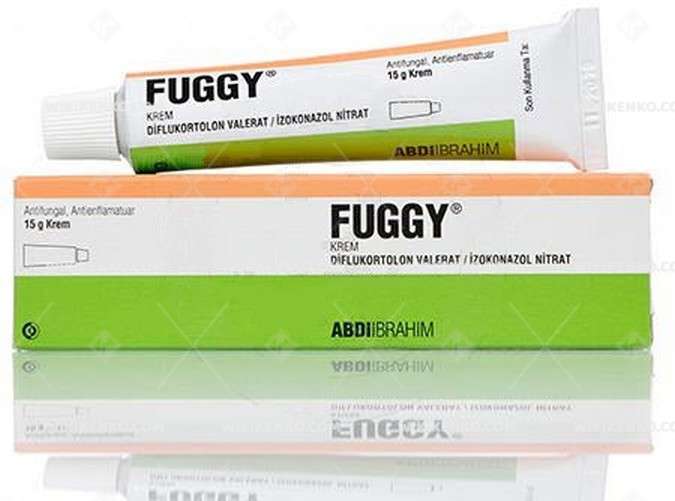
Fuggy Cream represents an advanced dermatological formulation combining antifungal and anti-inflammatory properties to address complex skin conditions. This comprehensive review examines the pharmacological characteristics, therapeutic applications, and clinical considerations associated with this medication. As a combination product containing isoconazole nitrate and diflucortolone valerate, Fuggy Cream offers a dual-action approach to treating inflammatory fungal infections of the skin.
Composition and Formulation
Each gram of Fuggy Cream contains 10 mg (1%) isoconazole nitrate and 1 mg (0.1%) diflucortolone valerate as active ingredients. The formulation utilizes an oil-in-water emulsion base that facilitates application and enhances the delivery of the active components to the affected area. Additional excipients in the cream include sorbitan stearate, cetostearyl alcohol, liquid paraffin, polysorbate 60, paraffin, disodium edetate, and deionized water. This carefully balanced composition ensures optimal stability while maintaining the therapeutic efficacy of both active ingredients.
Mechanism of Action
Isoconazole Nitrate Component
Isoconazole nitrate belongs to the imidazole class of antifungal agents and exhibits broad-spectrum activity against various pathogenic fungi. The compound operates primarily by inhibiting the synthesis of ergosterol, an essential component of fungal cell membranes.
At low concentrations (1-10 μg/ml), isoconazole induces a blockade of cell division through its fungicidal action on the synthesis and organization of the membrane wall. At higher concentrations (50-100 μg/ml), it can induce complete cellular necrosis. Additionally, isoconazole nitrate demonstrates rapid penetration into human skin, reaching maximum drug concentrations in the horny layer and living skin within one hour of application. The compound maintains high concentrations for at least seven hours, ensuring sustained antifungal activity throughout the treatment period.
Diflucortolone Valerate Component
Diflucortolone valerate is a potent synthetic glucocorticoid with pronounced anti-inflammatory, anti-allergic, and anti-pruritic properties. It effectively suppresses the inflammatory cascade associated with fungal infections, providing relief from symptoms such as itching, burning, and pain.
On dermal application, both the un-split ester and the free diflucortolone arising from cleavage of the ester exert anti-inflammatory and anti-proliferative effects. In experimental studies, diflucortolone valerate has demonstrated an anti-inflammatory effect approximately three times greater than that of fluocortolone and comparable to fluocinolone acetonide and betamethasone-17-valerate.
Synergistic Therapeutic Effect
The combination of isoconazole nitrate and diflucortolone valerate in Fuggy Cream provides a synergistic approach to treating fungal infections with inflammatory components. While isoconazole effectively eliminates the causative fungi, diflucortolone rapidly relieves the associated inflammation and discomfort. This dual action makes Fuggy Cream particularly suitable for the initial or intermediate treatment phase of inflammatory fungal conditions, after which treatment may continue with an isoconazole-only preparation to complete the antifungal therapy without prolonged corticosteroid exposure.
Therapeutic Indications
Fuggy Cream is primarily indicated for the treatment of superficial fungal infections of the skin that present with pronounced inflammatory or eczematous manifestations. Specific conditions for which the medication is recommended include:
-
Fungal infections of the hands and interdigital spaces of the feet (tinea manuum and tinea pedis)
-
Inflammatory mycoses in the inguinal and genital regions (tinea cruris)
-
Intertriginous candidal infections with significant inflammatory components
-
Tinea corporis with eczematous presentation
-
Fungal infections with bacterial superinfection, when appropriate antibacterial therapy is concurrently administered
The combination of antifungal and anti-inflammatory agents makes Fuggy Cream particularly effective in conditions where simple antifungal therapy might be insufficient due to the presence of significant inflammation or eczematous changes.
Administration and Dosage Guidelines
Fuggy Cream should be applied topically to the affected areas of skin twice daily. The treatment duration with Fuggy Cream should be limited to the period necessary for resolution of the inflammatory or eczematous component of the infection, typically not exceeding two weeks. Following the resolution of inflammation, treatment should be continued with a corticosteroid-free antifungal preparation (such as isoconazole nitrate monotherapy) to complete the eradication of the fungal infection without unnecessary corticosteroid exposure.
For infections in the interdigital spaces, it is advisable to place a strip of gauze impregnated with the cream between the affected digits to ensure adequate treatment coverage. Regular hygienic measures are essential for successful treatment outcomes, including daily changing and thorough washing of personal linen, towels, and undergarments. For tinea pedis infections, the spaces between toes must be thoroughly dried after washing, and footwear should be changed daily to prevent reinfection.
Clinical Considerations and Precautions
| Parameter | Details |
|---|---|
| Recommended Dosage | Apply twice daily to affected areas |
| Duration of Treatment | Maximum 2 weeks for Fuggy Cream; continue with corticosteroid-free antifungal if needed |
| Common Side Effects | Local irritation, burning sensation, mild erythema, pruritus |
| Serious Side Effects | Allergic reactions, skin atrophy (with prolonged use) |
| Contraindications | Hypersensitivity to components; tuberculous or syphilitic skin lesions; viral skin infections (herpes, varicella); rosacea; perioral dermatitis |
| Special Populations | Not recommended for children under 2 years; limited data for pregnant women |
| Storage Conditions | Store below 25°C in a dry place; keep away from children |
| Drug Interactions | May interact with latex products in genital region |
| Benefits | Dual action against fungal infection and inflammation; rapid symptom relief |
| Usage Cautions | Avoid application under occlusive dressings; avoid prolonged use on large surface areas |
Side Effects
The majority of patients tolerate Fuggy Cream well, but certain adverse reactions may occur during treatment. Local symptoms such as mild stinging, itching, burning sensation, or erythema may develop at the application site in isolated cases. These reactions are generally transient and resolve with continued treatment. Prolonged application, especially under occlusive conditions or over large surface areas, may potentially lead to systemic absorption of the corticosteroid component and associated adverse effects.
As with other topical corticosteroid preparations, prolonged use of Fuggy Cream may occasionally result in skin atrophy, telangiectasia, or striae formation, particularly in sensitive areas such as the face or intertriginous regions. The risk of glaucoma development may increase if the cream is applied near the eyes or used extensively over prolonged periods. In rare instances, patients may experience hypersensitivity reactions to one or more components of the formulation, necessitating immediate discontinuation of treatment.
Contraindications
Fuggy Cream is contraindicated in several conditions to ensure patient safety and prevent potential complications. The medication should not be used in patients with:
-
Hypersensitivity to isoconazole nitrate, diflucortolone valerate, or any excipients in the formulation
-
Tuberculous or syphilitic processes in the treatment area
-
Viral skin infections, including varicella and herpes zoster
-
Rosacea or perioral dermatitis
-
Post-vaccination skin reactions in the area to be treated
Additionally, caution is advised when considering Fuggy Cream for patients with a history of severe decrease in blood cell count or other significant medical conditions that might increase vulnerability to adverse effects.
Special Populations
Pediatric Use
Dose adjustments are not required when Fuggy Cream is administered to children aged 2 years or older. However, only limited safety data are available for children under 2 years of age, and caution is advised when considering treatment in this population. As with other topical corticosteroid-containing products, extended application in pediatric patients should be avoided due to potential systemic absorption and growth-related concerns.
Geriatric Use
While specific dosage adjustments for elderly patients are not typically necessary, the thinner skin commonly observed in older individuals may increase susceptibility to corticosteroid-related adverse effects. Monitoring for signs of skin atrophy or other adverse reactions is particularly important in this population.
Pregnancy and Lactation
Animal studies with glucocorticosteroids have shown reproductive toxicity, and epidemiological studies suggest a possible increased risk of oral clefts among newborns of women treated with systemic glucocorticosteroids during the first trimester of pregnancy.
Although the risk with topical applications is expected to be lower due to minimal systemic absorption, Fuggy Cream should be used during pregnancy only when clearly indicated, and large-area or prolonged application should be avoided. Nursing mothers should not apply the medication to the breast area to prevent potential ingestion by the infant.
Storage and Handling Recommendations
Fuggy Cream should be stored below 25°C in a cool, dry place, away from direct sunlight and heat sources. The medication must be kept out of reach of children to prevent accidental ingestion or improper use. The cream should be stored in its original container with the cap tightly secured to maintain product integrity and potency. Expired medication should be properly disposed of according to local regulations for pharmaceutical waste management.
Conclusion
Fuggy Cream represents an effective therapeutic option for the management of inflammatory fungal skin infections. By combining the antifungal properties of isoconazole nitrate with the anti-inflammatory effects of diflucortolone valerate, this formulation addresses both the causative pathogen and the symptomatic manifestations of fungal infections. However, its use should be limited to the shortest duration necessary to control inflammatory symptoms, after which treatment should continue with a corticosteroid-free antifungal preparation.
When used appropriately according to prescribed guidelines and with consideration of potential contraindications and precautions, Fuggy Cream offers significant benefits in the management of complex dermatophytic and yeast infections with inflammatory components.


Reviews
There are no reviews yet.