Description
Pharmaceutical Composition and Presentation
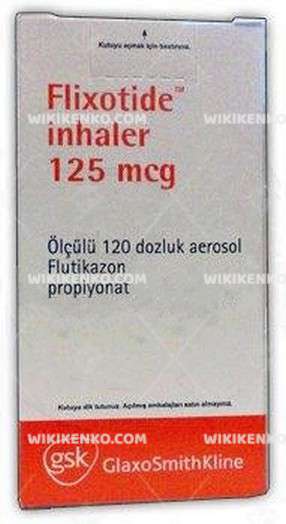
Each metered dose of Flixotide 125 micrograms inhaler delivers 125 micrograms of fluticasone propionate from the valve, formulated as a pressurised inhalation suspension. The product is CFC‑free and uses hydrofluoroalkane (HFA 134a, norflurane) as the propellant, with additional formulation excipients to stabilise the suspension within an aluminium canister fitted to a dedicated actuator and mouthpiece.
The inhaler typically provides 120 actuations per canister, which allows for twice‑daily dosing regimens over several weeks depending on the prescribed number of puffs per dose. The device is designed exclusively for oral inhalation, and may be used with compatible spacer devices in patients who have difficulty coordinating actuation with inspiration.
Mechanism of Action
Fluticasone propionate is a potent synthetic glucocorticoid with high topical anti‑inflammatory activity and extensive first‑pass metabolism, which confers a favourable systemic safety profile when administered by inhalation. After deposition in the airways, fluticasone propionate binds with high affinity to intracellular glucocorticoid receptors, modulating gene transcription and leading to suppression of multiple inflammatory pathways implicated in asthma.
At recommended inhaled doses, fluticasone propionate reduces the production of pro‑inflammatory mediators (e.g. cytokines, leukotrienes, prostaglandins), inhibits inflammatory cell recruitment and activation (eosinophils, mast cells, T‑lymphocytes), and attenuates mucosal oedema and mucus hypersecretion. The net effect is improvement in airway calibre and hyperresponsiveness, leading clinically to reduced asthma symptoms, fewer exacerbations, and improved lung function.
Pharmacokinetic and Pharmacodynamic Profile
Absorption and Distribution
When inhaled, a proportion of the fluticasone propionate dose is deposited in the lungs while the remainder is swallowed and absorbed from the gastrointestinal tract. The absolute systemic bioavailability is low due to incomplete absorption and extensive first‑pass metabolism in the liver, which limits systemic exposure relative to the delivered inhaled dose. Peak plasma concentrations are generally low and are influenced by inhalation technique, device performance, and use of spacers.
Fluticasone propionate is highly protein bound in the systemic circulation and exhibits a large apparent volume of distribution, consistent with extensive tissue uptake. The pulmonary residence time supports once‑ or twice‑daily dosing in line with clinical efficacy data in asthma.
Metabolism and Elimination
Fluticasone propionate undergoes extensive hepatic metabolism predominantly via cytochrome P450 3A4 to inactive metabolites. Systemically absorbed drug and metabolites are excreted mainly in the bile and faeces, with minimal renal excretion of unchanged drug. The systemic elimination half‑life is relatively short, but clinical activity is sustained due to receptor binding and local pulmonary effects.
Pharmacodynamic Effects
At inhaled doses up to approximately 500 micrograms per day, fluticasone propionate demonstrates potent anti‑inflammatory efficacy in mild to moderate asthma, with significant improvements in spirometric indices (e.g. FEV₁, peak expiratory flow), symptom scores, and reduction in rescue bronchodilator use compared with placebo and several non‑steroidal comparators. In comparative trials, inhaled fluticasone propionate at doses up to 250 micrograms twice daily has shown superior or at least equivalent efficacy to therapies such as nedocromil, theophylline, and leukotriene receptor antagonists.
Therapeutic Indications
Flixotide 125 micrograms inhaler is indicated for the prophylactic management of asthma, providing regular maintenance treatment to control persistent disease. The product is not intended for rapid relief of acute bronchospasm; patients must be instructed to use a fast‑acting inhaled bronchodilator for acute symptoms.
Indications generally encompass:
-
Mild persistent asthma in patients requiring regular, intermittent symptomatic bronchodilator medication.
-
Moderate asthma in patients with unstable or worsening symptoms despite other prophylactic therapy or bronchodilator monotherapy.
-
Severe chronic asthma, including patients dependent on systemic corticosteroids, where introduction or up‑titration of inhaled fluticasone propionate may reduce or eliminate the need for oral steroids.
Posology and Method of Administration
General Dosing Principles
Flixotide 125 micrograms inhaler is for regular, daily use and should not be used on an as‑needed basis for episodic relief. The dose must be individualised according to disease severity, prior asthma therapy, and clinical response, with the lowest effective dose targeted once control is achieved.
In adults and adolescents (often ≥16 years in some product labels), typical total daily doses range from 100 to 1,000 micrograms given as divided doses twice daily, usually administered as two inhalations per dosing occasion depending on inhaler strength and regimen. Due to increased risk of systemic effects, doses above 500 micrograms twice daily are reserved for patients with severe asthma in whom additional clinical benefit is anticipated.
Administration Technique
The inhaler must be shaken before use, exhalation performed gently away from the mouthpiece, followed by a slow deep inhalation coordinated with actuation, and a breath‑holding period of several seconds to facilitate pulmonary deposition. In patients who cannot coordinate inhalation with actuation, the use of a spacer device is recommended to improve drug delivery and reduce oropharyngeal deposition. Rinsing the mouth and spitting out after inhalation is advised to minimise the risk of oral candidiasis and dysphonia.
Clinical Efficacy
Multiple clinical trials and reviews support the efficacy of inhaled fluticasone propionate in the prophylactic management of asthma across a range of severities. In mild to moderate asthma, dosages of 50 to 250 micrograms twice daily have demonstrated significant improvements in lung function parameters, decreased daily and nocturnal symptoms, and reduction in exacerbation frequency compared with placebo.
Comparative studies have shown that fluticasone propionate yields greater improvements in pulmonary function and symptom control than therapies such as nedocromil, theophylline, or leukotriene receptor antagonists at conventional doses. In patients with more persistent disease, combination therapy using fluticasone with a long‑acting beta₂‑agonist (e.g. salmeterol) via fixed‑dose combination or concurrent inhalers has been shown to improve morning peak expiratory flow and overall asthma control, with tolerability comparable to mono‑component regimens.
Safety, Warnings, and Precautions
Local Adverse Effects
The most frequent adverse reactions associated with inhaled fluticasone propionate involve the oropharyngeal region, including candidiasis (thrush), hoarseness, and throat irritation. These events are typically mild, respond to antifungal therapy where appropriate, and may be mitigated by rinsing the mouth after use and employing a spacer device.
Systemic Corticosteroid Effects
Although systemic exposure is low, high doses or prolonged use of inhaled fluticasone propionate may cause systemic corticosteroid effects such as adrenal suppression, decreased bone mineral density, cataracts, glaucoma, and growth retardation in children and adolescents. Patients receiving doses above the usual recommended range, or who have a history of systemic steroid therapy, should be monitored for signs of adrenal impairment, and dose reductions should be implemented gradually under medical supervision.
In situations of severe stress, surgery, or acute exacerbation, patients who have been receiving high‑dose inhaled corticosteroids may require additional systemic corticosteroid coverage. Transition from systemic steroids to inhaled therapy should be undertaken cautiously, with monitoring for withdrawal symptoms and unmasking of allergic conditions previously controlled by systemic steroids.
Paradoxical Bronchospasm and Acute Deterioration
Immediate bronchospasm may occur after dosing in rare cases, and is treated promptly with a rapid‑acting inhaled bronchodilator; therapy should be discontinued and alternative treatment instituted if this occurs. Flixotide 125 micrograms inhaler should not be used for the management of acute asthma attacks or status asthmaticus, and patients must have access to a separate rescue inhaler. Deterioration in asthma control requires urgent medical evaluation and may necessitate escalation of anti‑inflammatory therapy or systemic corticosteroids.
Drug Interactions
Fluticasone propionate is primarily metabolised by CYP3A4, and concomitant use of potent CYP3A4 inhibitors (such as ritonavir, cobicistat, or certain azole antifungals) may significantly increase systemic exposure, potentially leading to Cushingoid features and adrenal suppression. Co‑administration with such agents should be avoided unless the benefit outweighs the risk, and patients should be monitored for systemic corticosteroid effects if unavoidable.
Additionally, other inhaled or systemic corticosteroids may contribute to cumulative systemic exposure, requiring assessment of total steroid burden. Careful titration is necessary when switching between corticosteroid formulations to maintain disease control while minimising systemic risk.
Use in Special Populations
Paediatric Use
Fluticasone propionate inhalers are widely used in paediatric asthma; however, the specific strength of 125 micrograms is typically reserved for older children and adolescents when lower strengths are insufficient. Long‑term treatment in children requires regular monitoring of growth, and dosing should always be titrated to the lowest dose that maintains adequate asthma control.
Pregnancy and Lactation
Observational epidemiological data on inhaled fluticasone propionate use in pregnancy have not demonstrated a clear increase in congenital anomalies compared with other inhaled corticosteroids, though limitations of observational data and potential confounding must be recognised. Inhaled corticosteroids remain the preferred maintenance therapy for asthma in pregnancy when clinically indicated, as uncontrolled asthma poses substantial maternal and foetal risks. The use of fluticasone propionate during pregnancy or lactation should be based on a careful assessment of the benefits of optimal asthma control versus theoretical risks of exposure.
Hepatic Impairment
Given the hepatic metabolism of fluticasone propionate, systemic exposure may be increased in patients with significant hepatic impairment. Clinical judgement is required to determine appropriate dosing and monitoring in this population, though inhaled regimens generally maintain low systemic levels compared with oral corticosteroids.
Comparative Clinical and Pharmaceutical Characteristics
The following table summarises selected characteristics of Flixotide 125 micrograms inhaler in the context of clinical use and safety, consolidating key points from regulatory and clinical sources.
| Parameter | Flixotide Inhaler 125 micrograms (Fluticasone Propionate) |
|---|---|
| Active ingredient per actuation | 125 micrograms fluticasone propionate |
| Pharmaceutical form | Pressurised inhalation suspension (CFC‑free HFA 134a) |
| Number of actuations per canister | Typically 120 puffs |
| Route of administration | Oral inhalation only |
| Primary indication | Prophylactic treatment of asthma |
| Onset of therapeutic effect | Within approximately 4–7 days of regular use |
| Typical adult dose range | 100–1,000 micrograms daily in divided doses |
| Maximum usual adult dose | >500 micrograms twice daily only in severe asthma |
| Use with spacer | Recommended for patients with poor coordination, can reduce local side effects |
| Common local adverse effects | Oral candidiasis, hoarseness, throat irritation |
| Potential systemic corticosteroid effects | Adrenal suppression, reduced bone density, cataract, glaucoma, growth retardation at high doses |
| CYP3A4‑mediated interactions | Increased exposure with potent CYP3A4 inhibitors (e.g. ritonavir) |
| Role versus systemic steroids | May reduce or replace maintenance oral corticosteroids in severe asthma |
Risk–Benefit Considerations in Asthma Management
Inhaled fluticasone propionate at a strength of 125 micrograms per actuation offers a high degree of local glucocorticoid activity within the airways, enabling effective control of persistent asthma with lower systemic exposure than equivalent oral corticosteroid regimens. The risk of local and systemic adverse events is dose‑dependent and can be minimised by appropriate patient selection, careful dose titration, correct inhalation technique, and use of spacers when indicated.
For many patients, the incorporation of Flixotide 125 micrograms inhaler within a stepwise asthma management strategy allows sustained symptom control, improved lung function, and reduced exacerbation risk, while offering the possibility of tapering or discontinuing long‑term systemic corticosteroids. Regular clinical review remains essential to ensure that the prescribed dose continues to reflect the minimal effective dose compatible with optimal disease control.


Reviews
There are no reviews yet.