
Description
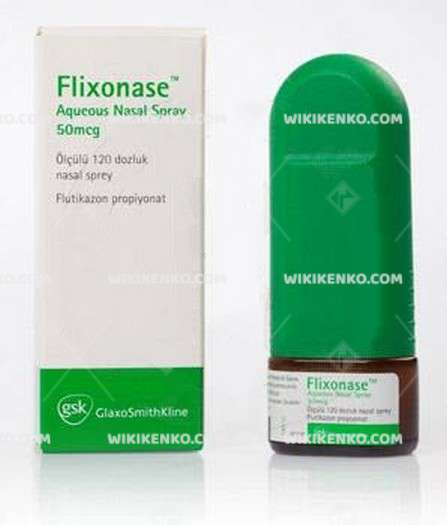
Flixonase Aqueous Nasal Spray is a widely used corticosteroid medication containing fluticasone propionate, formulated for intranasal administration to treat various forms of rhinitis. This comprehensive article examines its composition, mechanism of action, therapeutic applications, proper administration techniques, potential side effects, and other essential medical information. Understanding this medication’s properties and proper usage can help patients maximize its benefits while minimizing potential risks.
Composition and Formulation
Active Ingredient
Flixonase Aqueous Nasal Spray contains 50 micrograms of fluticasone propionate in each metered dose (100 mg of spray). Fluticasone propionate is a synthetic glucocorticoid with potent anti-inflammatory properties specifically designed for topical administration to the nasal mucosa.
Excipients
The formulation includes several excipients that contribute to its stability and effectiveness. These include benzalkonium chloride (a preservative), microcrystalline cellulose, sodium carboxymethylcellulose, dextrose, polysorbate 80, purified water, and phenylethylalcohol. The presence of benzalkonium chloride is particularly noteworthy as it is classified as an excipient with known effects that should be considered for certain sensitive patients.
Mechanism of Action
Fluticasone propionate functions through its potent anti-inflammatory properties. When applied topically to the nasal mucosa, it effectively reduces inflammation by inhibiting multiple inflammatory mediators and cell types involved in allergic and non-allergic rhinitis.
At a molecular level, fluticasone propionate activates glucocorticoid receptors, leading to the suppression of inflammatory pathways. This activation inhibits the production of inflammatory cytokines and reduces eosinophil infiltration in the nasal passages. The medication works locally in the nasal passages with minimal systemic absorption, which contributes to its favorable safety profile with limited systemic side effects compared to oral corticosteroids.
Therapeutic Indications
Seasonal Allergic Rhinitis
Flixonase Aqueous Nasal Spray is indicated for both the prophylaxis and treatment of seasonal allergic rhinitis, commonly known as hay fever. This condition is triggered by environmental allergens such as pollen during specific seasons and manifests with symptoms including sneezing, nasal congestion, itchy or runny nose, and watery eyes.
Perennial Rhinitis
The medication is also effective for managing perennial rhinitis, a year-round condition often caused by persistent allergens such as dust mites, pet dander, or mold. The symptoms of perennial rhinitis are similar to those of seasonal allergic rhinitis but occur throughout the year without seasonal variation.
Fluticasone propionate delivers effective relief by reducing inflammation in the nasal passages, thereby alleviating symptoms such as nasal congestion, sneezing, and rhinorrhea (runny nose). Clinical improvement typically begins within 12-24 hours after initial administration, though optimal therapeutic effects may require regular use for 3-4 days.
Recommended Dosage
Adults and Children Over 12 Years
For the prophylaxis and treatment of both seasonal allergic rhinitis and perennial rhinitis, the standard dosage is two sprays into each nostril once daily, preferably in the morning. In cases of more severe symptoms, the dosage may be increased to two sprays into each nostril twice daily. Once symptoms are adequately controlled, a maintenance dose of one spray per nostril once daily may be sufficient.
Children Aged 4-12 Years
Flixonase Aqueous Nasal Spray can be used in children aged 4 years and over, though specific dosing may need to be adjusted based on clinical response and tolerability. A healthcare provider should determine the appropriate dosage for children in this age group.
Administration
Proper administration technique is essential for optimal efficacy:
-
Shake the bottle gently before use
-
Clear nasal passages by blowing the nose
-
Close one nostril by pressing gently against the side of the nose
-
Insert the nasal applicator tip into the other nostril
-
Breathe in gently through the nose while activating the spray
-
Repeat for the other nostril
-
After use, wipe the applicator tip with a clean tissue and replace the cap
For optimal benefit, regular usage is essential. Patients should understand that maximum relief may not be achieved until after three to four days of consistent treatment, though clinically relevant improvement in symptoms may occur approximately 12 hours after the initial dose.
Side Effects
Common Side Effects
Flixonase Aqueous Nasal Spray is generally well-tolerated when used as directed, but some common side effects may occur in more than 1 in 100 people. These include:
-
Headache
-
Unpleasant taste or smell
-
Dry or irritated nose or throat
-
Minor nosebleeds
-
Nasal burning or irritation
-
Sneezing (particularly immediately after administration)
These side effects are typically mild and often resolve with continued use as the body adjusts to the medication.
Serious Side Effects
Although rare, more serious side effects can occur and require immediate medical attention:
-
Severe or persistent nosebleeds
-
Nasal septal perforation (a hole in the tissue separating the nostrils)
-
Nasal ulceration or sores inside the nose
-
Signs of infection such as white patches in the nose or throat (thrush)
-
Vision changes, such as blurred vision or eye pain (which may indicate development of glaucoma or cataracts)
-
Severe allergic reactions (anaphylaxis), characterized by difficulty breathing, swelling of the face, lips, tongue, or throat
Long-term use, particularly at high doses, may potentially lead to systemic effects such as adrenal suppression or hypercorticism in susceptible individuals, though this is uncommon with proper intranasal use.
Contraindications
Flixonase Aqueous Nasal Spray is contraindicated in patients with:
-
Hypersensitivity to fluticasone propionate or any of the excipients
-
Recent nasal surgery or trauma
-
Untreated nasal infections
-
Active nasal ulceration
Drug Interactions
Strong CYP3A4 Inhibitors
Co-administration with potent CYP3A4 inhibitors such as ketoconazole, ritonavir, and other protease inhibitors should be avoided as these may significantly increase systemic exposure to fluticasone propionate. This increased exposure could potentially lead to systemic side effects including adrenal suppression.
Other Interactions
Fluticasone nasal spray has 51 known drug interactions, of which 27 are classified as major, 23 as moderate, and 1 as minor. Some notable interactions include those with ciprofloxacin, fluconazole, and diltiazem. While the majority of fluticasone propionate remains localized to the nasal mucosa, caution is advised when using Flixonase concurrently with other medications that might interact with corticosteroids.
Pharmacokinetics
Absorption and Distribution
Fluticasone propionate has very limited bioavailability when administered intranasally, with less than 2% reaching systemic circulation. Once absorbed, it has a large volume of distribution (approximately 318L at steady-state) and demonstrates high plasma protein binding (approximately 91%).
Metabolism and Elimination
Fluticasone propionate is rapidly cleared from systemic circulation primarily through hepatic metabolism by the cytochrome P450 enzyme CYP3A4, which converts it to an inactive carboxylic acid metabolite. The elimination rate is characterized by high plasma clearance (approximately 1.1L/min) with peak plasma concentrations reduced by approximately 98% within 3-4 hours. The terminal half-life is approximately 7.8 hours. Renal clearance is negligible (<0.2%), with the primary route of elimination being biliary excretion of fluticasone propionate and its metabolites.
Comprehensive Overview
| Category | Information |
|---|---|
| Active Ingredient | Fluticasone propionate 50 micrograms per 100 mg spray |
| Therapeutic Class | Corticosteroid (glucocorticoid) |
| Indications | – Prophylaxis and treatment of seasonal allergic rhinitis (hay fever) – Treatment of perennial rhinitis |
| Standard Dosage | – Adults and children over 12 years: Two sprays in each nostril once daily – Maintenance dose: One spray in each nostril once daily – Severe symptoms: Two sprays in each nostril twice daily |
| Common Side Effects | – Headache – Unpleasant taste or smell – Dry or irritated nose/throat – Minor nosebleeds – Nasal burning/irritation |
| Serious Side Effects | – Severe nosebleeds – Nasal septal perforation – Nasal ulceration – Fungal infection (thrush) – Vision changes – Severe allergic reactions |
| Contraindications | – Hypersensitivity to ingredients – Recent nasal surgery or trauma – Untreated nasal infections – Active nasal ulceration |
| Major Drug Interactions | – Strong CYP3A4 inhibitors (ketoconazole, ritonavir) – Ciprofloxacin – Fluconazole – Diltiazem |
| Onset of Action | – Initial improvement: Approximately 12 hours – Maximum benefit: 3-4 days of regular use |
| Special Precautions | – Monitor growth in children – Use caution in patients with hepatic impairment – Avoid contact with eyes |
Special Populations
Pregnancy and Breastfeeding
The available researches don’t provide specific information about the use of Flixonase during pregnancy or lactation. However, corticosteroid nasal sprays generally have limited systemic absorption when used as directed. A benefit-risk assessment should be conducted by a healthcare provider before use during pregnancy or breastfeeding.
Pediatric Use
Flixonase Aqueous Nasal Spray can be used in children aged 4 years and older. In pediatric patients, particularly with long-term use, growth should be monitored regularly as corticosteroids may potentially affect growth velocity.
Hepatic Impairment
Patients with hepatic impairment may have reduced clearance of fluticasone propionate, potentially increasing systemic exposure. Monitoring for signs of increased drug exposure is recommended in these patients.
Storage and Handling
Each bottle of Flixonase Aqueous Nasal Spray provides 150 sprays. The medication should be stored appropriately according to the manufacturer’s instructions, typically at room temperature and protected from excessive heat and direct sunlight. Patients should be advised to keep track of the number of doses used and discard the bottle after the intended number of doses has been administered.
Conclusion
Flixonase Aqueous Nasal Spray is an effective intranasal corticosteroid for the management of both seasonal allergic rhinitis and perennial rhinitis. Its efficacy stems from fluticasone propionate’s potent anti-inflammatory properties that reduce nasal mucosa inflammation with minimal systemic absorption.
While generally well-tolerated, awareness of potential side effects, contraindications, and drug interactions is important for safe and effective use. Regular administration as directed is crucial for optimal therapeutic outcomes, with symptom relief typically beginning within hours but reaching maximum effectiveness after several days of consistent use.
Healthcare providers should consider individual patient factors including age, comorbidities, and concurrent medications when prescribing Flixonase Aqueous Nasal Spray. Patients should be educated on proper administration technique and the importance of adherence to the prescribed regimen to maximize benefits while minimizing potential adverse effects.











Reviews
There are no reviews yet.