

Description
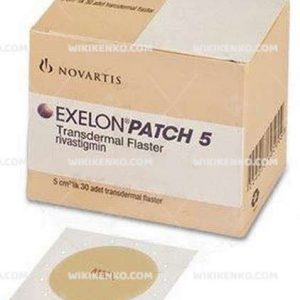
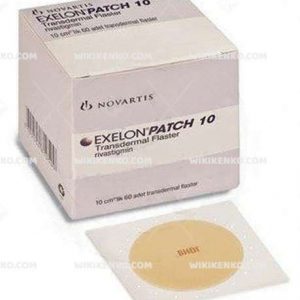
Exelon Patch 15, produced by Novartis, represents an innovative therapeutic solution for patients living with dementia associated with Alzheimer’s disease and Parkinson’s disease. This transdermal system administers rivastigmine, a cholinesterase inhibitor, continuously through the skin, offering a controlled and sustained release over a 24-hour period. Its design ensures a steady plasma concentration of the drug, reducing the fluctuation commonly seen in oral dosing. This method of administration offers enhanced tolerability and convenience, especially for patients who struggle with swallowing or are sensitive to gastrointestinal side effects.
Composition and Pharmaceutical Characteristics
Each Exelon Patch 15 measures 15 cm² and contains a total of 27 mg of rivastigmine. Upon application, the patch delivers approximately 13.3 mg of the active substance over a 24-hour period. The formulation includes an acrylic adhesive matrix, which adheres securely to the skin, a polyester film backing to provide structural integrity, and a siliconized release liner to maintain stability before application.
Clinical Indications
The Exelon Patch is approved for the symptomatic treatment of mild-to-moderate dementia in the following clinical settings:
- Alzheimer’s Disease: Supports the management of cognitive decline, memory loss, and functional impairment.
- Parkinson’s Disease Dementia: Alleviates cognitive deficits and behavioral symptoms in patients also suffering from Parkinson’s disease.
Dosing Strategy and Application Guidelines
Titration and Maintenance
Effective management with Exelon Patch involves careful titration and monitoring:
- Initial Dose: 4.6 mg/24h for at least four weeks to establish tolerance.
- Standard Maintenance: 9.5 mg/24h following the initial period if no adverse effects arise.
- Maximum Recommended Dose: 13.3 mg/24h, based on patient response and physician assessment.
Transitioning from Oral Rivastigmine
For patients switching from oral forms of rivastigmine, the following equivalence guide is recommended:
| Oral Rivastigmine Dose (mg/day) | Transdermal Dose (mg/24h) |
|---|---|
| 6 | 4.6 |
| 9 | 9.5 |
| 12 | 9.5 |
Proper Use and Skin Site Rotation
For optimal efficacy and to minimize the risk of skin irritation, it is essential to follow proper application techniques for the Exelon Patch 15. Begin by selecting a suitable area on the body that is clean, dry, and free of hair. Ideal application sites include the upper back, chest, or the outer part of the upper arm. These areas are generally less prone to friction and provide consistent drug absorption. Once a location is chosen, remove the patch from its packaging and place it carefully on the skin. Press down firmly on the patch with the palm of your hand for at least 10 seconds to ensure that it adheres well and remains in place throughout the day.
To maintain therapeutic effectiveness, the patch should be replaced with a new one every 24 hours. It is important to rotate the application sites to prevent local skin reactions. Avoid applying the new patch to the exact same skin area for at least 14 days. This rotation schedule helps reduce the risk of contact dermatitis and maintains skin integrity over long-term use. In case the patch becomes loose or falls off, it should be replaced immediately with a new patch applied to a different site. Always follow this regimen consistently to achieve the best clinical outcomes while minimizing adverse skin reactions.
Adverse Reactions and Safety Considerations
| Reaction Type | Details |
| Common Gastrointestinal | Nausea (10–15%), vomiting, stomach discomfort, and diarrhea. |
| Common Dermatologic | Localized skin reactions including redness, itching, and rash. |
| Common Neurological | Dizziness, headaches, tremors, and excessive drowsiness. |
| Cardiovascular (Significant) | Bradycardia and syncope, especially in vulnerable patients. |
| Severe Dermatologic | Allergic contact dermatitis with symptoms like blistering—requires immediate discontinuation. |
| Neuropsychiatric Reactions | Agitation, insomnia, hallucinations (especially in Parkinson’s), anxiety, and confusion. |
| Other Systemic Effects | General fatigue, urinary tract infections, weakness, fever, and occasional urinary incontinence. |
Contraindications and Cautions
Situations Requiring Avoidance
- Known hypersensitivity to rivastigmine or any patch components.
- Patients with severe liver dysfunction.
Precautionary Recommendations
- Use with caution in patients with known conduction abnormalities (e.g., sick sinus syndrome) or peptic ulcer disease.
- Close monitoring is recommended in patients with seizure history or those taking medications that lower seizure threshold.
Drug Interactions
- Anticholinergic Drugs: May reduce the efficacy of rivastigmine by counteracting its mechanism of action.
- Beta-Adrenergic Blockers: When co-administered, they may increase the risk of bradycardia.
Management of Overdose
Symptoms of Toxicity
- Severe nausea and vomiting, dizziness, excessive salivation, sweating, and possibly severe bradycardia.
Emergency Protocol
- Remove all patches immediately.
- Do not apply a new patch for at least 24 hours.
- Initiate supportive care, including antiemetics or atropine if indicated.
Patient Instructions and Storage Conditions
- Store the patches at temperatures not exceeding 25°C in the original packaging.
- If a patch becomes dislodged, a new one should be applied to a different area.
- Adherence to dosage instructions and application site rotation minimizes the risk of local skin reactions.
Comparative Evaluation with Alternative Dementia Therapies
Compared with Oral Rivastigmine
- Gastrointestinal Tolerance: Patch (nausea 7.2%, vomiting 6.2%) significantly better than capsules (nausea 23.1%, vomiting 17%).
- Skin Reactions: Present only in patch users (erythema in 10–13%).
- Discontinuation Rates: Lower for transdermal users due to improved tolerability.
Compared with Donepezil
- GI Effects: Donepezil associated with fewer nausea episodes.
- Cardiac and Skin: Donepezil lacks the skin reaction risk, but Exelon carries a slightly higher bradycardia risk.
- Mode of Use: Exelon Patch offers an option for patients unable to tolerate oral medications.
Compared with Memantine
- Pharmacologic Class: Rivastigmine is a cholinesterase inhibitor, while Memantine is an NMDA antagonist.
- Adverse Effects: Memantine less commonly causes GI side effects but may lead to dizziness and confusion.
- Skin Tolerance: No skin-related side effects with Memantine.
Compared with Galantamine
- GI Tolerance: Galantamine has a higher rate of nausea (24%) and vomiting (13%) than Exelon Patch.
- Delivery System: Exelon’s transdermal system offers a steadier absorption profile.
- Skin Reactions: Unique to Exelon; not observed with Galantamine.
Summary Table: Clinical Snapshot of Exelon Patch 15
| Category | Description |
|---|---|
| Active Ingredient | Rivastigmine, 13.3 mg/24h (delivered from a 27 mg patch) |
| Therapeutic Uses | Alzheimer’s and Parkinson’s disease-related dementia |
| Recommended Doses | Initiation: 4.6 mg/24h; Maintenance: 9.5 mg/24h; Maximum: 13.3 mg/24h |
| Mode of Use | Transdermal application; rotate sites daily |
| Frequent Side Effects | Nausea, vomiting, headache, dizziness, application site irritation |
| Severe Reactions | Bradycardia, allergic dermatitis, hallucinations |
| Drug Benefits | Consistent delivery, lower GI side effects, helpful for oral-intolerant patients |
| Drawbacks | Risk of skin irritation, costlier than oral therapies |
| Storage Guidelines | Room temperature (≤25°C), keep sealed in original packaging |
Conclusion
Exelon Patch 15 offers a clinically proven and practical option for managing dementia symptoms, particularly in those who may not tolerate oral medication well. Its transdermal delivery provides a smoother pharmacokinetic profile, thereby minimizing the gastrointestinal adverse effects that often lead to discontinuation of therapy. Though the patch introduces a risk of localized skin reactions, these can be managed effectively through appropriate site rotation and skin monitoring. Its unique application makes it a preferred treatment in elderly populations with multiple comorbidities, swallowing difficulties, or heightened sensitivity to systemic drug fluctuations. Ongoing clinical supervision remains crucial to maximize the therapeutic benefits and minimize risks associated with treatment.
Disclaimer: This medical article draws upon product literature from Novartis, clinical guidelines, and regulatory data. Always consult a licensed healthcare provider for individualized medical advice.











Reviews
There are no reviews yet.