
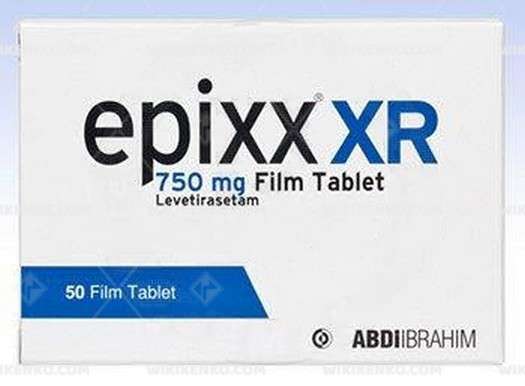
Description
Composition
Active Ingredient
- Levetiracetam (750 mg per tablet)
Inactive Ingredients
- Microcrystalline cellulose
- Hydroxypropyl methylcellulose (K15M and 4000 SR)
- Macrogol
- Colloidal silicon dioxide
- Magnesium stearate
- Opadry II 85F18422 White (composed of polyvinyl alcohol, titanium dioxide, polyethylene glycol, and talc)
Indications for Use
Epixx XR is used to manage and treat different types of seizures in epilepsy, including:
- Partial Onset Seizures: In patients aged 16 years and older.
- Myoclonic Seizures: In individuals diagnosed with juvenile myoclonic epilepsy.
- Primary Generalized Tonic-Clonic Seizures: Applicable in cases of generalized epilepsy.
Mechanism of Action
Though the precise mechanism of levetiracetam is not fully understood, several theories explain its effects:
- Binding to Synaptic Vesicle Protein 2A (SV2A): This protein modulates neurotransmitter release, playing a key role in seizure control.
- Inhibition of N-type Calcium Currents: Levetiracetam decreases calcium release from intraneuronal stores, thereby reducing neuron excitability.
- GABAergic Transmission Facilitation: It enhances the inhibitory effect of the neurotransmitter GABA, which helps regulate excessive neuronal activity.
- Reduction of Potassium Currents: It minimizes the delayed rectifier potassium current, which is essential in repolarizing neurons after an action potential.
- Inhibition of Hypersynchronized Epileptiform Firing: By selectively inhibiting this type of neuronal firing, levetiracetam helps control seizure activity without affecting normal neuronal transmission.
Dosage and Administration
General Dosage Guidelines
- Adults and Adolescents (16 years and older): Typically initiated at 250 mg twice daily, with the dose gradually increased to 750 mg twice daily based on clinical response.
Special Populations
- Patients with Renal Impairment: Dosage adjustments are necessary depending on the severity of renal dysfunction.
Side Effects
Epixx XR, like other antiepileptic drugs, has its share of side effects. Common ones include:
- Drowsiness
- Dizziness
- Fatigue
- Headache
Serious Side Effects
- Suicidal ideation or behavior
- Severe allergic reactions
- Increased frequency of seizures
Precautions
- Allergic Reactions: Do not use this medication if allergic to levetiracetam or any of its inactive ingredients.
- Renal Impairment: Dose adjustment is required in patients with kidney issues.
- Suicidal Ideation: Close monitoring is needed to detect signs of depression or suicidal thoughts, especially in patients with a history of mood disorders.
Drug Interactions
Levetiracetam generally has fewer interactions compared to other antiepileptic drugs. However, certain precautions should still be observed:
- Central Nervous System (CNS) Depressants: Caution should be exercised when combining Epixx XR with other CNS depressants, as it may potentiate sedative effects.
- Alcohol: Avoid consuming alcohol while on this medication, as it may enhance its sedative properties.
Use During Pregnancy and Breastfeeding
- Pregnancy:
- Category C (FDA) and B3 (AU TGA): While animal studies indicate potential harm to the fetus, human data remains inconclusive. Nevertheless, the benefits of controlling epilepsy often outweigh potential risks. Consultation with a healthcare provider is essential for dose monitoring throughout pregnancy.
- Breastfeeding:
- Levetiracetam passes into breast milk at low levels. Though infants generally do not experience significant adverse effects, close monitoring is recommended. Always consult with a healthcare provider before breastfeeding while on this medication.
Storage Instructions
Store Epixx XR Film Tablets at room temperature, ensuring they are kept away from moisture and heat.
Comparing Epixx XR to Other Antiepileptic Drugs
Levetiracetam is frequently compared to other antiepileptic drugs (AEDs), such as lamotrigine, carbamazepine, and valproic acid. Below is a detailed comparison:
| Parameter | Epixx XR (Levetiracetam) | Lamotrigine | Carbamazepine | Valproic Acid |
|---|---|---|---|---|
| Efficacy | Effective in treating partial, myoclonic, and tonic-clonic seizures | Treats focal and generalized seizures | Primarily for focal and tonic-clonic seizures | Effective for various seizure types, including absence seizures |
| Common Side Effects | Drowsiness, dizziness, fatigue, headache | Dizziness, headache, rash | Dizziness, nausea, drowsiness | Nausea, tremor, weight gain |
| Serious Side Effects | Suicidal ideation, allergic reactions, increased seizures | Stevens-Johnson syndrome | Aplastic anemia, agranulocytosis | Liver damage, pancreatitis |
| Mechanism of Action | Binds to SV2A, modulates neurotransmitter release | Inhibits sodium channels | Stabilizes sodium channels | Increases GABA levels |
| Pregnancy Category | C (FDA) | C (FDA) | D (FDA) | D (FDA) |
| Breastfeeding Considerations | Passes into breast milk (consult provider) | Consult healthcare provider | Use with caution | Use with caution |
Precautions
- Behavioral Changes: Monitor for signs of unusual behavior, psychotic symptoms, or mood changes such as aggression or irritability.
- Somnolence and Fatigue: Patients should avoid activities requiring mental alertness, such as driving, until they understand how the medication affects them.
- Skin Reactions: Discontinue use if a rash or other dermatological reactions occur unless it is clearly unrelated to the medication.
- Coordination Issues: Be vigilant for symptoms such as ataxia (loss of control over body movements) or abnormal gait.
- Withdrawal Seizures: Abrupt discontinuation should be avoided to prevent seizure rebound. Dosage should be tapered gradually under medical supervision.
- Renal Impairment: Dosage adjustments may be needed based on renal function assessments.
Conclusion
Epixx XR Film Tablet 750 mg (levetiracetam) is an effective treatment for epilepsy, targeting various seizure types with a well-tolerated profile. However, its use requires close monitoring, particularly in special populations such as pregnant or breastfeeding women and those with renal impairment. Always consult with a healthcare provider to tailor treatment to individual needs, ensuring optimal outcomes while minimizing potential risks.















Reviews
There are no reviews yet.