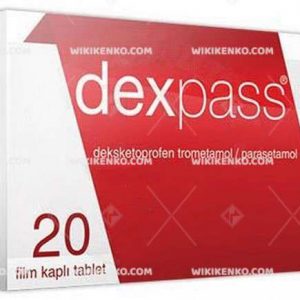
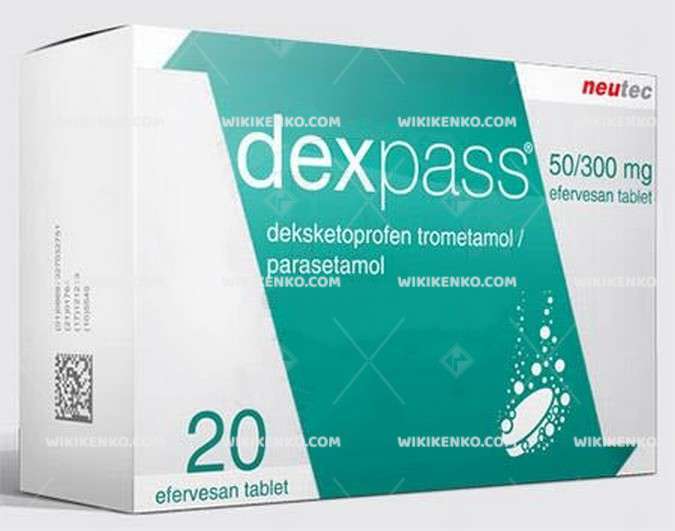
Dexpass Efervesan Tablet 50 Mg

(1 customer review)
Manufacturer

Origin

Generic Name (Ingredient)

In Each Effervescent Tablet, 73.76 Mg Dexketoprofen Trometamol Equivalent To 50 Mg Dexketoprofen And 301

Dexpass Efervesan Tablet 50 Mg, featuring dexketoprofen trometamol as its active ingredient, offers a highly effective solution for managing acute pain conditions, distinguished by its rapid onset facilitated by an effervescent formulation. Through potent inhibition of COX enzymes, it delivers robust analgesic and anti-inflammatory effects. To ensure optimal therapeutic outcomes and minimize risks, as with all NSAIDs, careful patient selection, precise dosing, and diligent monitoring are critical components of its clinical use.

read more

Assuming you’re in a life-threatening situation and require immediate access to medication, please visit our Community Support Network page.


Description

Dexpass Efervesan Tablet 50 Mg is a non-steroidal anti-inflammatory drug (NSAID) containing dexketoprofen trometamol as its active pharmaceutical ingredient. Each effervescent tablet contains 73.76 mg of dexketoprofen trometamol (equivalent to 50 mg of dexketoprofen) and is primarily used for acute pain management. The effervescent formulation allows for rapid dissolution in water, potentially leading to faster absorption and quicker onset of action compared to conventional tablet formulations.

Composition and Formulation

Active Ingredient

Dexpass Efervesan Tablet contains dexketoprofen trometamol as its primary active ingredient. Each tablet contains 73.76 mg of dexketoprofen trometamol, which is equivalent to 50 mg of dexketoprofen, the pharmacologically active component. Dexketoprofen is the dextrorotatory enantiomer of ketoprofen, possessing significant analgesic and anti-inflammatory properties while potentially causing fewer side effects than the racemic mixture.

Formulation Technology

The effervescent tablet formulation represents a specialized drug delivery system designed to enhance patient compliance and absorption kinetics. When placed in water, the tablet undergoes a chemical reaction producing carbon dioxide gas, which helps break up the tablet and dissolve the active ingredient. This technology may be particularly beneficial for patients who have difficulty swallowing conventional tablets or require rapid pain relief. The effervescent nature also potentially improves the palatability of the medication, making it more acceptable to patients with taste sensitivities.

Pharmacological Properties

Mechanism of Action

Dexketoprofen functions primarily by inhibiting the cyclooxygenase (COX) enzymes, which are responsible for the production of prostaglandins. Prostaglandins are important mediators of inflammation, pain, and fever in the body. By inhibiting both COX-1 and COX-2 isoenzymes, dexketoprofen reduces prostaglandin synthesis, thereby providing analgesic, anti-inflammatory, and antipyretic effects. The specificity of dexketoprofen for COX enzymes contributes to its efficacy in treating various pain conditions, though this mechanism also accounts for many of its potential side effects.

Pharmacokinetic Profile

The effervescent formulation of Dexpass facilitates rapid dissolution and subsequent absorption of dexketoprofen. Upon oral administration, dexketoprofen is quickly absorbed from the gastrointestinal tract, with peak plasma concentrations typically reached within 30 minutes to 1 hour. The bioavailability of dexketoprofen is approximately 80-90%, and it demonstrates high plasma protein binding (approximately 99%). The drug undergoes hepatic metabolism primarily via glucuronidation and is eliminated mainly through renal excretion, with an elimination half-life of approximately 1-2 hours. This relatively short half-life necessitates multiple daily dosing for sustained pain control.

Therapeutic Applications

Primary Indications

Dexpass Efervesan Tablet is primarily indicated for the symptomatic treatment of acute pain of mild to moderate intensity. Its clinical applications include management of musculoskeletal pain, postoperative pain, dental pain, and primary dysmenorrhea. The rapid onset of action makes it particularly valuable for conditions requiring prompt pain relief. The medication demonstrates efficacy in both inflammatory and non-inflammatory pain conditions, offering versatility in clinical practice.

Specific Clinical Uses

In musculoskeletal disorders, Dexpass can effectively relieve pain associated with conditions such as osteoarthritis, rheumatoid arthritis, low back pain, and sports injuries. For postoperative pain, it may be used as part of a multimodal analgesic approach, potentially reducing the need for opioid analgesics. In dental practice, it provides relief from pain following dental procedures or associated with dental conditions. For women experiencing primary dysmenorrhea, the medication helps alleviate menstrual cramping and associated discomfort through its prostaglandin-inhibiting action.

Dosage and Administration Guidelines

Standard Dosing Regimen

The recommended standard dosage of Dexpass Efervesan Tablet for adults is one 50 mg tablet taken up to three times daily, with at least 8 hours between consecutive doses. The maximum daily dose should not exceed 150 mg (three tablets). For proper administration, the effervescent tablet should be completely dissolved in a glass of water (approximately 150-200 mL) and consumed immediately after dissolution. Taking the medication with or after food may help reduce gastrointestinal irritation, particularly in patients with a history of digestive sensitivity.

Special Population Considerations

Dosage adjustments are necessary for certain patient populations. For elderly patients, those with hepatic impairment, or individuals with renal dysfunction, the initial recommended dose is typically lower-often starting with one tablet (50 mg) daily. The treatment duration should generally be limited to the shortest period necessary to control symptoms, typically not exceeding 3-5 days without medical reassessment. Extended use increases the risk of developing adverse effects and should be avoided unless under close medical supervision.

Contraindications and Precautions

Absolute Contraindications

Dexpass Efervesan Tablet is absolutely contraindicated in several conditions. These include hypersensitivity to dexketoprofen, other NSAIDs, or any excipients in the formulation; history of asthma, urticaria, or allergic reactions triggered by aspirin or other NSAIDs; active peptic ulceration or gastrointestinal bleeding; severe heart failure; moderate to severe renal impairment; severe hepatic dysfunction; and during the third trimester of pregnancy. Patients with inflammatory bowel disease (Crohn’s disease or ulcerative colitis) should also avoid using this medication due to the risk of exacerbation.

Special Warnings

Caution is advised when prescribing Dexpass to patients with certain risk factors. For individuals with a history of hypertension or mild heart failure, regular monitoring of blood pressure is recommended as NSAIDs may cause fluid retention and edema. Patients with a history of gastrointestinal disease require careful consideration, as the risk of digestive complications is heightened. The elderly generally experience more frequent adverse reactions to NSAIDs, particularly gastrointestinal bleeding and renal complications, warranting close monitoring. Use during the first and second trimesters of pregnancy should only occur if clearly necessary and at the lowest effective dose.

Adverse Effects

Common Side Effects

Like all medications, Dexpass Efervesan Tablet can cause various adverse effects, though not all patients will experience them. The most frequently reported side effects include gastrointestinal disturbances such as nausea, vomiting, abdominal pain, dyspepsia, and diarrhea. These digestive symptoms typically occur in 10-20% of patients and may be mitigated by taking the medication with food. Central nervous system effects may also occur, including headache, dizziness, and somnolence. These neurological symptoms are generally mild to moderate in intensity and often resolve with continued treatment or dose adjustment.

Serious Adverse Reactions

More serious adverse effects, though less common, require immediate medical attention. These include gastrointestinal bleeding or ulceration, which may present as black tarry stools or hematemesis; hypersensitivity reactions manifesting as skin rash, angioedema, or bronchospasm; and cardiovascular events such as hypertension, heart failure, or thrombotic events (particularly with prolonged use). Renal complications may develop, including reduced urine output, edema, or electrolyte disturbances. Hepatic reactions, though rare, can occur and may present as jaundice, elevated liver enzymes, or abdominal pain. Patients should be educated about these potential serious reactions and advised to seek immediate medical care if such symptoms develop.

Drug Interactions

Significant Pharmacological Interactions

Dexpass Efervesan Tablet has the potential to interact with various medications, potentially altering efficacy or safety profiles. Concurrent use with other NSAIDs or corticosteroids significantly increases the risk of gastrointestinal ulceration and bleeding. When combined with anticoagulants such as warfarin or novel oral anticoagulants, the risk of bleeding complications is heightened due to additive effects on hemostasis. Antihypertensive medications (particularly ACE inhibitors, angiotensin receptor blockers, and diuretics) may have reduced efficacy when co-administered with dexketoprofen, potentially leading to poor blood pressure control.

Other Important Interactions

Several other significant interactions warrant attention when prescribing Dexpass. The medication may increase serum lithium levels, potentially leading to lithium toxicity in patients on lithium therapy for psychiatric conditions. When used with methotrexate, dexketoprofen may reduce methotrexate clearance, potentially increasing toxicity of this immunosuppressant. Selective serotonin reuptake inhibitors (SSRIs) can increase the risk of gastrointestinal bleeding when used concomitantly with NSAIDs. Additionally, cyclosporine and tacrolimus may have increased nephrotoxicity when combined with dexketoprofen, requiring close monitoring of renal function in transplant patients or others on these immunosuppressive medications.

Special Patient Populations

Elderly Patients

Elderly patients require special consideration when prescribed Dexpass due to age-related physiological changes affecting pharmacokinetics and pharmacodynamics. The initial recommended dose for elderly patients is typically 50 mg daily, with potential titration based on response and tolerability. Close monitoring is essential due to higher risks of gastrointestinal, cardiovascular, and renal adverse effects. Regular assessment of renal function, blood pressure, and symptoms of GI distress is recommended throughout the treatment course. The benefit-risk ratio should be carefully evaluated before initiating therapy in very elderly patients (over 75 years).

Patients with Comorbidities

For patients with mild to moderate hepatic impairment, dose reduction (starting with 50 mg daily) and regular monitoring of liver function are advised. Similarly, those with mild renal impairment should begin with reduced dosing and undergo periodic assessment of renal parameters. Individuals with a history of cardiovascular disease require careful consideration due to the potential for NSAIDs to increase cardiovascular risk, particularly with prolonged use. Patients with asthma or allergic disorders should be monitored closely for bronchospasm or hypersensitivity reactions, especially during initial administration.

Clinical Considerations and Patient Education

Optimal Therapeutic Use

To maximize therapeutic benefits while minimizing risks, several clinical considerations should be addressed. Treatment duration should be as brief as possible to achieve symptomatic relief, typically not exceeding 3-5 days without medical reassessment. The lowest effective dose should always be employed, with dose increases only if necessary for symptom control. Combining Dexpass with non-pharmacological pain management strategies (such as physical therapy, appropriate rest, or cold/heat application) may enhance outcomes while potentially reducing medication requirements.

Patient Counseling Points

Patients should receive comprehensive education regarding proper use of Dexpass Efervesan Tablet. Instructions should include dissolution in a full glass of water immediately before consumption and taking with food if gastrointestinal sensitivity occurs. Patients should be advised to maintain adequate hydration throughout treatment to support renal function. Recognition of warning signs requiring medical attention should be emphasized, including black tarry stools, severe abdominal pain, unusual bruising or bleeding, skin rash, or swelling of the face or extremities. Patients should also understand the importance of not exceeding recommended doses and avoiding concurrent use of other NSAIDs without medical supervision.

Product Information and Storage

Pharmaceutical Specifications

Dexpass Efervesan Tablet comes in a formulation containing 73.76 mg of dexketoprofen trometamol, equivalent to 50 mg of dexketoprofen. The effervescent tablets are typically packaged in moisture-resistant tubes or strips to maintain stability. The product requires appropriate registration with national pharmaceutical regulatory authorities and should only be dispensed according to applicable prescription requirements. Standard quality control measures ensure consistent dosing and pharmaceutical performance across production batches.

Storage Requirements

Proper storage is essential to maintain product integrity and efficacy. Dexpass Efervesan Tablet should be stored in a dry place at room temperature (usually between 15-25°C or 59-77°F), protected from light and excessive humidity. The effervescent formulation is particularly sensitive to moisture, necessitating storage in the original sealed container until ready for use. After opening a tube or strip of tablets, any remaining tablets should be properly resealed to protect from environmental moisture. As with all medications, Dexpass should be kept out of reach of children and should not be used beyond the expiration date printed on the packaging.

Comprehensive Product Information Table

Parameter Information
Product Name Dexpass Efervesan Tablet
Active Ingredient Dexketoprofen trometamol 73.76 mg (equivalent to 50 mg dexketoprofen)
Pharmaceutical Form Effervescent tablet
Therapeutic Class Non-steroidal anti-inflammatory drug (NSAID)
Primary Indications Acute mild to moderate pain
Standard Adult Dosage 50 mg (1 tablet) every 8 hours, maximum 150 mg daily
Administration Method Dissolve completely in water and drink immediately
Duration of Treatment Short-term use (typically 3-5 days)
Common Side Effects Nausea, dyspepsia, diarrhea, abdominal pain, headache, dizziness
Serious Adverse Effects GI bleeding, cardiovascular events, severe skin reactions, renal dysfunction
Contraindications Active peptic ulcer, GI bleeding, severe cardiac/renal/hepatic failure, third trimester pregnancy
Drug Interactions Other NSAIDs, anticoagulants, antihypertensives, lithium, methotrexate, SSRIs
Use in Pregnancy Contraindicated in third trimester; use with caution in first and second trimesters
Use in Breastfeeding Not recommended
Elderly Dosing Start with 50 mg daily, increase if necessary with careful monitoring
Storage Conditions Store in original container at room temperature, protect from moisture
Prescription Status Prescription-only medicine in most jurisdictions

Conclusion

Dexpass Efervesan Tablet represents an effective treatment option for the management of acute pain conditions, offering the benefits of rapid onset through its effervescent formulation. The active ingredient, dexketoprofen trometamol, provides potent analgesic and anti-inflammatory effects through COX enzyme inhibition. As with all NSAIDs, appropriate patient selection, dosing, and monitoring are essential to optimize therapeutic outcomes while minimizing potential risks.

The medication is particularly valuable for short-term pain management in appropriate patients without contraindications. However, its use should be guided by careful consideration of individual patient factors, concomitant medications, and comorbidities. Healthcare providers should emphasize the importance of using the lowest effective dose for the shortest duration necessary to control symptoms. With proper use and monitoring, Dexpass Efervesan Tablet 50 Mg can be a valuable component of pain management strategies across various clinical contexts while maintaining an acceptable safety profile.

1 review for Dexpass Efervesan Tablet 50 Mg

  1. Roxana

    Hi, I would like to buy this pills becasuse the doctor gave me to stop the pain of my teeths and was working on it. I will like to know if I can get this pills in Uk ( London).
    Thank you

    • Medical Guidance Center

      Hello Suzana, this is WikiKenko.

      Dexpass Efervesan Tablet 25 Mg is only available for purchase at pharmacies in Turkey with a prescription. It is always a good idea to consult with a healthcare provider before taking any medication. I cordially request that you please complete the ‘Urgent Quotation’ form with all the necessary information. By doing so, our team will be well-equipped to provide you with suitable guidance throughout the purchasing process for this specific product from online pharmaceutical sources.

Add a review

Your email address will not be published. Required fields are marked *

Use the form below to report an error

Please answer the questions as thoroughly and accurately as possible. Your answers will help us better understand what kind of mistakes happen, why and where they happen, and in the end the purpose is to build a better archive to guide researchers and professionals around the world.


If an image of the drug is not available on the Wikikenko health encyclopedia, you have the option to submit images/leaflets of the product. Following verification by our pharmaceutical specialist, your submitted images/leaflets will be included in our archive, with due acknowledgment of your contribution. Your cooperation in this matter would greatly assist researchers in finding the information they seek. Upload Images/Leaflet (Less than 2MB)

No Choosen File

Wikikenko.com does not sell, distribute, or provide any pharmaceutical products or health services. Our platform functions solely as a health encyclopedia, providing information on a wide range of health topics, including but not limited to medications.


Medical Disclaimer: Seek Professional Advice

The information on this page is not intended to be a substitute for professional medical advice, diagnosis, or treatment. always seek the advice for your physician or another qualified health provider with any questions you may have regarding a medical condition. Always remember to

  1. Ask your own doctor for medical advice.
  2. Names, brands, and dosage may differ between countries.
  3. When not feeling well, or experiencing side effects always contact your own doctor.

Why you can't look for symptoms on the Internet

If diagnoses could be made simply from a textbook or an article on a website, we would all be doctors and treat ourselves. Nothing can replace the experience and knowledge of specially trained people. As in any field, in medicine there are unscrupulous specialists, differences of opinion, inaccurate diagnoses and incorrect test results. According to Wikipedia, cyberchondria is a mental disorder consisting in the desire to independently make a diagnosis based on the symptoms of diseases described on Internet sites.
 

People also search for…


More results…

Generic selectors
Exact matches only
Search in title
Search in content
Post Type Selectors

The expert search feature is especially useful for healthcare professionals, researchers, and scientists who require accurate and up-to-date information on pharmaceutical products. By narrowing down their searches using filters, they can easily access the relevant data they need, making informed decisions about treatment options or drug research endeavors.

Expert Search  →


Recent comments