
Description
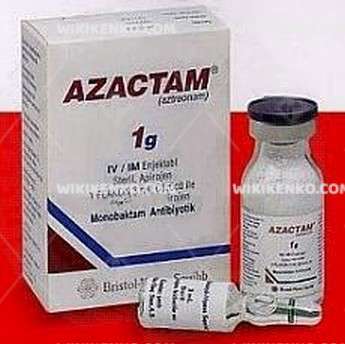
Azactam Injection Vial is a potent antibiotic designed to combat serious bacterial infections caused by susceptible Gram-negative pathogens. Manufactured by Bristol-Myers Squibb in Italy, each vial contains 1000 mg (1 g) of aztreonam, a synthetic monobactam antibiotic renowned for its targeted efficacy and favorable safety profile. Administered via intravenous (IV) or intramuscular (IM) routes, Azactam is a critical tool in hospital settings for treating infections such as pneumonia, urinary tract infections (UTIs), and septicemia, particularly in patients with compromised immunity or resistance to other antibiotics.
As a monobactam, Azactam stands apart from other beta-lactam antibiotics like penicillins and cephalosporins, offering a unique option for patients with specific allergies or complex infection profiles. This article, provides a detailed examination of Azactam Injection Vial, covering its chemical structure, mechanism of action, pharmacokinetics, therapeutic uses, side effects, drug interactions, safety considerations, and regulatory status. Whether you’re a healthcare provider or a patient seeking clarity, this guide delivers scientifically accurate insights in an accessible format.
Chemical Structure
Aztreonam (C13H17N5O8S2) is a synthetic monocyclic beta-lactam antibiotic originally isolated from Chromobacterium violaceum. Its structure features a unique monobactam ring—a single beta-lactam nucleus—distinguishing it from the bicyclic structures of penicillins and cephalosporins. Key structural elements include:
- A sulfonic acid group at the 1-position of the ring, which activates the beta-lactam moiety, enhancing its antibacterial activity.
- An aminothiazolyl oxime side chain at the 3-position, conferring specificity against Gram-negative bacteria and resistance to many beta-lactamases.
- A methyl group at the 4-position, further stabilizing the molecule against enzymatic degradation.
Azactam’s powder form, supplied in a 15 mL vial, contains aztreonam alongside L-arginine as a pH stabilizer (780 mg per gram of aztreonam). This formulation ensures solubility and stability when reconstituted with Sterile Water for Injection or other compatible diluents. The chemical design of aztreonam underpins its narrow-spectrum efficacy and low cross-reactivity with other beta-lactams, making it a valuable therapeutic agent.
Mechanism of Action
Azactam exerts its bactericidal effects by targeting the cell wall synthesis of aerobic Gram-negative bacteria. At the molecular level, aztreonam binds to penicillin-binding proteins (PBPs), specifically PBP3, located on the bacterial cytoplasmic membrane. PBP3 is critical for septal peptidoglycan synthesis during cell division. By inhibiting this enzyme, aztreonam disrupts cross-linking of peptidoglycan chains, weakening the bacterial cell wall and leading to osmotic lysis and cell death.
Unlike broader-spectrum beta-lactams, aztreonam’s activity is highly selective for Gram-negative organisms—such as Pseudomonas aeruginosa, Escherichia coli, Klebsiella pneumoniae, and Haemophilus influenzae—due to its structural affinity for their PBPs. It demonstrates minimal binding to PBPs in Gram-positive bacteria or anaerobes, limiting its spectrum. Additionally, aztreonam resists hydrolysis by many plasmid- and chromosomally-mediated beta-lactamases, though it is susceptible to extended-spectrum beta-lactamases (ESBLs) and carbapenemases in resistant strains (Swaminathan et al., 2013). This targeted mechanism makes Azactam a strategic choice for infections where Gram-negative coverage is paramount.
Pharmacokinetics
Absorption
Azactam is not absorbed orally and is administered parenterally. Following a 1 g IV dose, peak serum concentrations of approximately 54-66 µg/mL are achieved within 5 minutes of a 3-minute infusion. For IM administration, peak levels (~46 µg/mL) occur around 1 hour post-injection, reflecting slower absorption from muscle tissue. Bioavailability is effectively 100% for both routes due to direct systemic delivery.
Distribution
Aztreonam distributes widely into body fluids and tissues, including cerebrospinal fluid (CSF) in meningitis (3-30% of serum levels), peritoneal fluid, and bronchial secretions. Its volume of distribution is approximately 0.2 L/kg, indicating moderate tissue penetration. Protein binding is moderate (56-60%), primarily to albumin, leaving a significant free fraction to exert antibacterial effects. Azactam crosses the placenta and is detectable in breast milk at low concentrations (<1 µg/mL).
Metabolism
Aztreonam undergoes minimal metabolism, with over 90% of the dose excreted unchanged. A small fraction is hydrolyzed by non-specific esterases into an inactive open-ring metabolite (SQ-26,992), which lacks antibacterial activity.
Excretion
The primary route of elimination is renal, via glomerular filtration and tubular secretion. After a 1 g dose, the half-life in patients with normal renal function is 1.7-2.1 hours, with 60-70% excreted in urine within 8 hours. In renal impairment (creatinine clearance <30 mL/min), the half-life extends to 6-8 hours, necessitating dose adjustments. Aztreonam is also cleared by hemodialysis (38-50% removal per session) and peritoneal dialysis, supporting its use in dialysis patients (Béranger et al., 2020).
Therapeutic Uses
Azactam Injection Vial is approved for treating infections caused by susceptible Gram-negative bacteria, including:
- Urinary Tract Infections (UTIs): Effective against complicated and uncomplicated UTIs, including pyelonephritis and cystitis, caused by E. coli, Klebsiella spp., or Proteus mirabilis.
- Lower Respiratory Tract Infections: Treats pneumonia and bronchitis, notably in cystic fibrosis patients with P. aeruginosa infections.
- Septicemia: Addresses bloodstream infections due to Gram-negative pathogens.
- Skin and Skin-Structure Infections: Manages wound infections or cellulitis from susceptible organisms.
- Intra-abdominal Infections: Used adjunctively post-surgery for peritonitis or abscesses.
- Gynecologic Infections: Treats pelvic inflammatory disease and postpartum infections.
- Meningitis: Covers H. influenzae or Neisseria meningitidis in combination regimens.
Typical dosing ranges from 1-8 g/day, divided every 6-12 hours, with a maximum of 8 g/day for severe infections like P. aeruginosa pneumonia (DailyMed, 2020). Off-label, Azactam is used in combination with other antibiotics (e.g., vancomycin) for mixed infections or as an inhaled formulation for cystic fibrosis, though the latter applies to a different product (Cayston). Its niche lies in treating multidrug-resistant Gram-negative infections where aminoglycosides or cephalosporins fail.
Side Effects
Azactam is generally well-tolerated, but adverse reactions may occur, varying in frequency and severity:
- Common (1-10%):
- Injection site reactions (phlebitis/thrombophlebitis in 1.9% IV, discomfort/swelling in 2.4% IM).
- Diarrhea, nausea, or vomiting (1-1.3%).
- Rash (1-1.3%).
- Less Common (<1%):
- Hypersensitivity: Anaphylaxis, angioedema, or bronchospasm (rare but serious).
- Hematologic: Neutropenia (11.3% in pediatric trials at 30 mg/kg q6h), thrombocytopenia, or eosinophilia.
- Hepatic: Elevated AST/ALT (>3x upper limit in 15-20% of children at high doses).
- Neurologic: Headache, dizziness, or rare seizures.
- Rare (<0.1%):
- Clostridium difficile-associated diarrhea (CDAD), ranging from mild to fatal colitis.
- Toxic epidermal necrolysis (in bone marrow transplant patients with confounding factors).
Management includes symptomatic treatment (e.g., antihistamines for rash) and discontinuation for severe reactions. Patients with persistent diarrhea or hepatic changes warrant immediate evaluation (Béranger et al., 2020).
Drug Interactions
Azactam exhibits few clinically significant interactions, but notable considerations include:
- Aminoglycosides (e.g., Gentamicin): Synergistic against P. aeruginosa; monitor renal function due to combined nephrotoxicity risk.
- Metronidazole: Incompatible in mixed solutions (forms a cherry-red color); administer separately.
- Cefoxitin: May induce beta-lactamase production, reducing aztreonam efficacy; use cautiously.
- Live Bacterial Vaccines (e.g., Typhoid): Aztreonam may reduce vaccine efficacy; delay vaccination until treatment ends.
- Oral Hormones (e.g., Estrogens): Minor reduction in levels via gut flora alteration; low contraceptive failure risk.
No significant cytochrome P450 interactions occur, as aztreonam is not metabolized hepatically. Patients on multiple antibiotics should be monitored for additive toxicity (Markowitz et al., 2003).
Safety Considerations
Contraindications
- Known hypersensitivity to aztreonam or its components (e.g., L-arginine).
- Caution in patients with unconfirmed beta-lactam allergies, despite low cross-reactivity.
Precautions
- Renal Impairment: Reduce dose by 50% if creatinine clearance is 10-30 mL/min; further adjust for <10 mL/min.
- Hepatic Dysfunction: Monitor liver enzymes, though rare dysfunction occurs (<1%).
- Pregnancy (Category B): Crosses placenta; use only if benefits outweigh risks (no teratogenicity in animals).
- Breastfeeding: Minimal excretion in milk; considered safe with monitoring.
Special Populations
- Pediatrics: Higher rates of neutropenia and transaminitis at 50 mg/kg q6h; adjust dosing carefully.
- Elderly: Increased half-life with age-related renal decline; tailor doses to renal function.
Risk of CDAD persists post-treatment; assess diarrhea promptly. Avoid prolonged use to minimize resistance (DailyMed, 2020).
Regulatory Status
Azactam, developed by Bristol-Myers Squibb, was first approved by the FDA in 1986 and remains a prescription-only drug in the U.S., EU, and other regions. The 1000 mg vial, manufactured in Italy, is widely available in Europe under EMA oversight. In the U.S., generics emerged in 2010 (e.g., APP Pharmaceuticals), addressing shortages of the branded product. It is not marketed in oral form due to poor bioavailability. As of March 2025, Azactam retains its role in antimicrobial stewardship, with ongoing studies evaluating its efficacy against resistant Gram-negative strains.
Conclusion
Azactam Injection Vial (aztreonam 1000 mg) is a cornerstone in treating severe Gram-negative infections, offering precision and safety where broader-spectrum antibiotics may falter. Its monobactam structure ensures efficacy against pathogens like P. aeruginosa while minimizing allergic risks in penicillin-sensitive patients. Though side effects like injection site reactions or rare CDAD require vigilance, Azactam’s pharmacokinetic profile and limited interactions enhance its clinical utility. For healthcare providers, it’s a reliable option in tailored therapy; for patients, it’s a lifeline against resistant infections. Balanced use guided by susceptibility testing remains key to preserving its effectiveness.
Disclaimer
The information provided in this article is for educational purposes only and does not constitute medical advice. Always consult a qualified healthcare professional before using Azactam Injection Vial or any medication. Individual responses may vary, and professional guidance ensures safe, effective treatment tailored to your needs.











Yasser –
I need AZACTAM 1g 14 pcs urgent
Medical Guidance Center –
Hello Yasser, this is WikiKenko. Thanks for your interest in the Azactam Injection Vial.
I apologize, but WikiKenko does not actually sell or distribute any pharmaceutical products. We are an online encyclopedia that provides information about various medicines, but we do not handle any sales or distribution.
Since you mentioned this is an urgent need, I would suggest speaking to your local pharmacist or healthcare provider. They should be able to assist you in obtaining the Azactam 1g injection vials you require.
Our website does have detailed information about Azactam, including its uses, dosage, and potential side effects. I’d encourage you to review that information, but for purchasing assistance, please reach out to your pharmacist or doctor. Let me know if you have any other questions I can help with!
Tarek Said –
I need AZACTAM 1gm vial 14 pcs urgent
how can I buy it and send to Egypt
Medical Guidance Center –
Hello Tarek, this is WikiKenko.
Thank you for your purchase request. However, I want to make you aware that WikiKenko does not sell any medications. We are an online encyclopedia that provides information about medicines, but we do not handle any sales or distribution.
If you are in a life-threatening emergency and need to urgently obtain the Azactam 1gm injection vials, I would suggest trying to fill out the “Community Support Network” form on our website at https://wikikenko.com/community-support-network/. The community may be able to assist you in locating official sellers in your area in Egypt.
Please note that we cannot provide any advice on purchasing medications outside of official and legal channels. For your safety, it’s best to consult a licensed healthcare provider or pharmacist who can properly evaluate your situation and provide personalized guidance on obtaining the necessary medication.
I apologize that I cannot directly help with your purchase request, but I hope the Community Support Network can point you in the right direction. Let me know if you have any other questions!