
Description
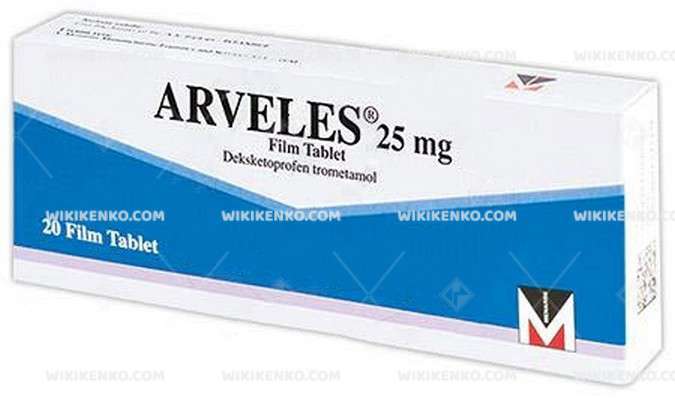
Arveles Film Tablet is a potent non-steroidal anti-inflammatory medication widely available in Turkey and several countries across Europe, Asia, and Latin America. This pharmaceutical product contains dexketoprofen trometamol as its active ingredient and is primarily indicated for the treatment of various types of pain, inflammation, and fever. As a prescription medication, it requires careful administration and monitoring to ensure optimal therapeutic benefit while minimizing potential adverse effects. The following comprehensive overview provides detailed information about this medication’s composition, uses, dosage guidelines, and safety considerations.
Composition and Classification
Arveles Film Tablet contains dexketoprofen trometamol, which is the tromethamine salt of S-(+)-2-(3-benzoylphenyl)propionic acid. Each film-coated tablet contains 25 mg of dexketoprofen as the active pharmaceutical ingredient. Chemically, dexketoprofen is an enantiomer (mirror image) of ketoprofen, specifically the S(+)-enantiomer, which gives it enhanced potency compared to the racemic mixture. Dexketoprofen belongs to the propionic acid derivative class of non-steroidal anti-inflammatory drugs (NSAIDs) and is classified under the ATC code M01AE17. This medication works primarily by inhibiting the cyclooxygenase pathway, thereby reducing prostaglandin synthesis, which plays a significant role in pain and inflammatory processes.
Medical Uses and Benefits
Arveles is primarily used to treat various types of pain ranging from mild to moderate intensity. It demonstrates significant efficacy in managing musculoskeletal pain, including sprains and strains that may result from physical activity or minor injuries. The medication is also particularly effective for relieving dysmenorrhea (painful menstrual periods), making it a valuable option for women experiencing monthly discomfort. Additionally, Arveles provides relief from acute dental pain, such as toothache, which can be severely debilitating when left untreated.
Beyond its analgesic properties, Arveles also exhibits notable antipyretic effects, helping to reduce fever in patients experiencing elevated body temperature. Its anti-inflammatory action makes it suitable for conditions characterized by tissue inflammation, swelling, and associated pain. The medication is intended for short-term use rather than long-term management of chronic conditions, as prolonged use may increase the risk of side effects characteristic of NSAID medications.
Mechanism of Action
The therapeutic effects of Arveles are attributed to its mechanism of action as a non-steroidal anti-inflammatory drug. Dexketoprofen works by inhibiting the cyclooxygenase (COX) enzyme pathway, which is responsible for the production of prostaglandins from arachidonic acid. Prostaglandins are lipid compounds that promote inflammation, pain, and fever in the body. By reducing prostaglandin synthesis, dexketoprofen effectively alleviates these symptoms.
Additionally, dexketoprofen’s action extends beyond prostaglandin inhibition. Research indicates that it may also affect other inflammation mediators such as kinins, creating an indirect action that complements its direct effects. As the S(+)-enantiomer of ketoprofen, dexketoprofen demonstrates enhanced potency and possibly a more favorable side effect profile compared to the racemic mixture, allowing for effective pain relief at lower doses. This targeted action makes Arveles an effective option for managing acute pain conditions while potentially reducing some of the risks associated with higher-dose NSAID therapy.
Dosage and Administration
The recommended dosage of Arveles depends on the severity of the pain and the patient’s individual response to the medication. For the 25 mg film-coated tablet formulation, common dosage regimens include taking half a tablet (12.5 mg) every 4 to 6 hours or one full tablet (25 mg) every 8 hours. It is essential to note that the total daily dosage should not exceed 75 mg (equivalent to three tablets per day) to minimize the risk of adverse effects.
For optimal absorption and efficacy, Arveles tablets should be taken on an empty stomach, approximately 30 minutes before eating. This administration timing helps ensure proper absorption of the medication and potentially enhances its pain-relieving effects. As with all NSAIDs, Arveles is intended for short-term use, and prolonged administration without medical supervision should be avoided.
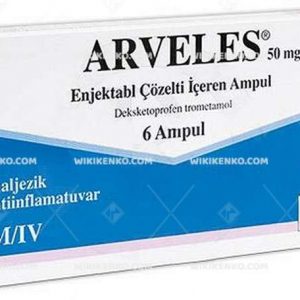
In addition to the oral tablet form, Arveles is also available as an injectable formulation for situations requiring more rapid pain relief or when oral administration is not feasible. The recommended adult dosage for the injectable form is 50 mg administered every 8 to 12 hours, with a maximum daily dose of 150 mg. However, this form should only be administered by healthcare professionals with appropriate monitoring.
Available Forms
Arveles is available in multiple pharmaceutical forms to accommodate different clinical scenarios and patient needs. The most common presentation is the 25 mg film-coated tablet, which is the standard oral formulation. These tablets are designed for ease of swallowing and contain the active ingredient dexketoprofen trometamol equivalent to 25 mg of dexketoprofen.
For patients requiring more immediate pain relief or those unable to take oral medications, Arveles is also available as an injectable solution. The injectable form provides rapid onset of action and is particularly useful in hospital settings or for acute, severe pain management. This versatility in formulations allows healthcare providers to tailor treatment approaches based on the specific requirements of each clinical situation and the severity of pain being treated.
In some markets, Arveles may be known under different brand names while containing the same active ingredient. These include Enantyum, Keral, Ketesse, and others, depending on the region. Regardless of the brand name, products containing dexketoprofen trometamol as the active ingredient share similar therapeutic properties and safety considerations.
Contraindications and Precautions
Arveles, like other NSAIDs, is contraindicated in several clinical situations to prevent potentially serious adverse outcomes. Patients with a history of hypersensitivity to dexketoprofen or other NSAIDs should avoid using this medication. Similarly, individuals with active peptic ulceration, gastrointestinal bleeding, or a history of recurrent peptic ulcer disease should not take Arveles due to the increased risk of gastrointestinal complications.
Special precautions are necessary for patients with compromised renal function, as NSAIDs may further impair kidney function, particularly in dehydrated patients or those taking certain antihypertensive medications. Patients with cardiovascular disease require careful consideration before starting treatment with Arveles, as NSAIDs can increase the risk of cardiovascular events, including heart attack and stroke.
Hepatic impairment also warrants caution, as dexketoprofen is metabolized in the liver and may accumulate in patients with reduced hepatic function. Elderly patients generally require more cautious dosing due to their increased susceptibility to adverse effects, particularly gastrointestinal and renal complications. Prior to initiating treatment with Arveles, a comprehensive assessment of the patient’s medical history and current medication regimen is essential to minimize potential risks.
Side Effects
As with all medications, Arveles may cause various side effects ranging from mild and transient to more serious adverse reactions. The most commonly reported side effects include gastrointestinal disturbances such as heartburn, nausea, vomiting, and diarrhea. Patients may also experience headache, dizziness, and weakness, which typically resolve as the body adjusts to the medication.
More concerning side effects include gastrointestinal bleeding, ulceration, and perforation of the stomach or intestines, which can occur without warning symptoms. These serious complications are more likely with prolonged use, higher doses, or in patients with pre-existing risk factors. Similarly, cardiovascular events such as heart attack and stroke represent potentially serious adverse outcomes, particularly in patients with pre-existing cardiovascular disease or risk factors.
Skin reactions, including rash and pruritus, have been reported in some patients taking dexketoprofen. Rare but serious skin reactions may necessitate immediate discontinuation of the medication. Renal effects, such as reduced kidney function or fluid retention, may occur, particularly with prolonged use or in susceptible individuals. Monitoring for signs of adverse reactions and prompt medical consultation if they occur is essential for safe use of this medication.
Drug Interactions
Arveles has the potential to interact with numerous medications, which may alter its efficacy or increase the risk of adverse effects. Concurrent administration with other NSAIDs, including high doses of salicylates (≥3 g/day), should be avoided as this combination increases the risk of gastrointestinal ulceration and bleeding through synergistic effects.
Anticoagulants such as warfarin may have enhanced effects when taken with dexketoprofen due to high plasma protein binding and inhibition of platelet function, increasing bleeding risk. Similarly, concurrent use with heparins elevates hemorrhage risk because of inhibition of platelet function and damage to the gastroduodenal mucosa.
Arveles may reduce the effect of diuretics and other antihypertensive drugs, potentially compromising blood pressure control. In patients with impaired renal function, co-administration with ACE inhibitors or angiotensin II receptor antagonists may further deteriorate kidney function, particularly in dehydrated individuals.
Other notable interactions include those with corticosteroids (increased risk of gastrointestinal ulceration), lithium (increased blood levels potentially reaching toxic values), methotrexate (increased hematological toxicity), and cyclosporin and tacrolimus (enhanced nephrotoxicity). Healthcare providers should conduct a thorough medication review before prescribing Arveles and monitor patients accordingly during treatment.
Special Populations
Consideration of special populations is crucial when prescribing Arveles to ensure safe and effective use. Pregnant women should generally avoid using dexketoprofen, particularly during the third trimester, due to potential risks to the fetus, including premature closure of the ductus arteriosus and possible prolongation of labor. Similarly, breastfeeding mothers should exercise caution, as NSAIDs can be excreted in breast milk and may affect the infant.
Elderly patients typically require more careful dosing and monitoring due to age-related changes in drug metabolism and increased susceptibility to adverse effects, particularly gastrointestinal and renal complications. Lower initial doses may be appropriate for this population, with careful titration based on response and tolerability.
Patients with pre-existing liver or kidney impairment require dose adjustments and careful monitoring of organ function during treatment with Arveles. Those with cardiovascular disease or risk factors for cardiovascular events should use dexketoprofen cautiously and for the shortest duration necessary to control symptoms. The safety and efficacy of dexketoprofen in children have not been well established, and its use in pediatric populations is generally not recommended without specialized medical guidance.
Storage and Handling
Proper storage and handling of Arveles Film Tablet are essential to maintain its stability and therapeutic effectiveness. The medication should be stored at room temperature, away from excessive heat, moisture, and direct light, which could potentially degrade the active ingredient. Keeping the tablets in their original packaging until use helps protect them from environmental factors that might affect their quality.
As with all medications, Arveles should be kept out of reach of children to prevent accidental ingestion. Unused or expired medication should be disposed of properly according to local regulations for pharmaceutical waste. Patients should not share their prescribed Arveles with others, even if they appear to have similar symptoms, as this practice can lead to inappropriate use and potential harm.
Summary table
| Aspect | Information |
|---|---|
| Active Ingredient | Dexketoprofen trometamol |
| Classification | Non-steroidal anti-inflammatory drug (NSAID) |
| Available Forms | 25 mg film-coated tablets; Injectable solution |
| Primary Uses | Treatment of mild to moderate pain, inflammation, and fever |
| Specific Indications | Musculoskeletal pain, dysmenorrhea (menstrual pain), toothache |
| Standard Dosage | ½ tablet (12.5 mg) every 4-6 hours OR 1 tablet (25 mg) every 8 hours |
| Maximum Daily Dose | 75 mg (3 tablets) for oral form; 150 mg for injectable form |
| Administration | Take on an empty stomach, 30 minutes before eating |
| Common Side Effects | Heartburn, nausea, vomiting, diarrhea, headache, dizziness, weakness, skin rash |
| Serious Side Effects | Gastrointestinal bleeding, ulcers, cardiovascular events |
| Key Interactions | NSAIDs, anticoagulants, corticosteroids, lithium, methotrexate, diuretics |
| Storage | Store at room temperature, away from moisture and light |
| Market Availability | Turkey, Europe, Asia, Latin America |
Conclusion
Arveles Film Tablet, containing dexketoprofen trometamol, represents an effective option for the short-term management of mild to moderate pain, inflammation, and fever. Its specific formulation as the S(+)-enantiomer of ketoprofen provides enhanced potency, potentially allowing for effective pain relief at lower doses compared to racemic ketoprofen. The availability of both oral and injectable forms offers flexibility in addressing various clinical scenarios and patient needs.
While Arveles offers significant therapeutic benefits for appropriate patients, the potential for adverse effects and drug interactions necessitates careful patient selection, dosing, and monitoring. Understanding the proper use of this medication, including dosage guidelines, administration recommendations, and potential risks, is essential for both healthcare providers and patients to ensure optimal outcomes and minimize complications. As with all medications, treatment decisions should be individualized based on the specific clinical situation, patient characteristics, and risk-benefit assessment.# Arveles Film Tablet: A Comprehensive Medical Guide
Arveles Film Tablet is a potent non-steroidal anti-inflammatory medication widely available in Turkey and several countries across Europe, Asia, and Latin America. This pharmaceutical product contains dexketoprofen trometamol as its active ingredient and is primarily indicated for the treatment of various types of pain, inflammation, and fever. As a prescription medication, it requires careful administration and monitoring to ensure optimal therapeutic benefit while minimizing potential adverse effects. The following comprehensive overview provides detailed information about this medication’s composition, uses, dosage guidelines, and safety considerations.











Reviews
There are no reviews yet.