
Description
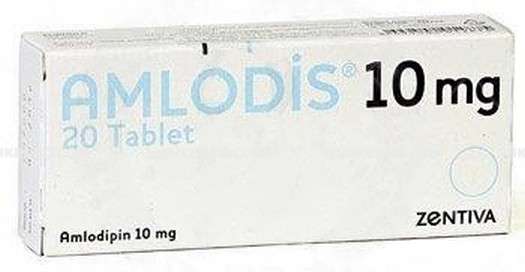
Amlodis Tablet, manufactured by Zentiva in Turkey, is a widely used medication for managing hypertension (high blood pressure) and certain types of angina (chest pain). Its active ingredient, Amlodipine Besylate, is a member of the calcium channel blocker (CCB) family, recognized for its efficacy in improving cardiovascular health. This guide explores the composition, uses, mechanism of action, dosing guidelines, side effects, drug interactions, and precautions associated with Amlodis.
Composition of Amlodis Tablet
Each Amlodis Tablet contains 13.889 mg of Amlodipine Besylate, equivalent to 10 mg of Amlodipine base. This active ingredient is vital for the drug’s therapeutic effects, as it works to relax blood vessels, reduce peripheral vascular resistance, and ease the heart’s workload. The tablet also includes inactive ingredients, which typically serve as excipients to bind and stabilize the medication. Although specific excipients are not disclosed, they usually include fillers, stabilizers, and colorants to enhance shelf life and usability.
Uses of Amlodis Tablet
Amlodis is primarily indicated for two key conditions:
- Hypertension: The medication lowers elevated blood pressure levels, reducing the risk of serious cardiovascular complications such as stroke, myocardial infarction, and kidney damage.
- Angina Pectoris: Amlodis prevents chest pain caused by reduced blood flow to the heart. It is particularly beneficial for patients with stable or vasospastic angina, improving their exercise tolerance and quality of life.
Mechanism of Action
The therapeutic efficacy of Amlodis is attributed to its ability to block calcium ions from entering smooth muscle cells in blood vessels and cardiac tissue. This mechanism has several beneficial effects:
- Vasodilation: By inhibiting calcium influx, Amlodipine relaxes vascular smooth muscle, leading to the widening of blood vessels. This decreases resistance in the circulatory system, effectively lowering blood pressure.
- Reduced Cardiac Workload: Widened arteries reduce afterload (the force the heart must exert to pump blood), lessening the heart’s oxygen demand. This action is particularly useful in managing angina symptoms.
Additionally, Amlodipine’s long half-life allows for sustained therapeutic effects, making it suitable for once-daily dosing.
Dosage and Administration
Amlodis Tablet should be taken exactly as prescribed by a healthcare professional. The dosing recommendations are based on the patient’s medical history, response to therapy, and tolerance to the medication.
- Adults: The typical starting dose is 5 mg once daily. If necessary, this can be increased to a maximum dose of 10 mg per day, depending on the patient’s response.
- Elderly Patients: Older adults may require lower initial doses due to altered drug metabolism and increased sensitivity. Monitoring is crucial to prevent adverse effects.
The tablet can be taken with or without food, but it should be consumed at the same time each day to maintain consistent drug levels in the bloodstream.
Contraindications
Amlodis is contraindicated in patients with:
- Allergic Reactions: Hypersensitivity to Amlodipine or any of the tablet’s components.
- Severe Hypotension: Individuals with dangerously low blood pressure should avoid this medication, as it could exacerbate their condition.
- Cardiogenic Shock: This condition, characterized by severely compromised heart function, makes the use of vasodilators risky.
Common Side Effects
Like all medications, Amlodis may cause side effects. While most are mild and temporary, some may require medical attention.
| Category | Side Effects |
|---|---|
| Mild to Moderate | Swelling in the legs or ankles (edema), dizziness, fatigue, abdominal pain, flushing. |
| Severe | Worsening chest pain, fainting spells, severe allergic reactions, low blood pressure. |
The most frequently reported side effect is peripheral edema, often occurring due to fluid retention.
Serious Side Effects
Although rare, some serious reactions necessitate immediate medical intervention. These include:
- Severe dizziness or fainting, indicating potential hypotension.
- Increased chest pain or a heart attack, which might occur when initiating treatment.
- Signs of liver dysfunction, such as yellowing of the skin (jaundice), dark urine, or severe abdominal pain.
- Severe allergic reactions, including swelling of the face, difficulty breathing, or skin rashes.
Drug Interactions
Amlodipine, the active ingredient in Amlodis, is metabolized by the liver enzyme CYP3A4. As such, it interacts with numerous medications, which may alter its efficacy or increase the risk of side effects.
| Drug Class | Examples | Interaction |
|---|---|---|
| CYP3A4 Inhibitors | Clarithromycin, Ketoconazole | Increase Amlodipine levels, heightening side effect risks. |
| Antihypertensives | Beta-blockers, ACE inhibitors | May amplify blood pressure-lowering effects, potentially causing hypotension. |
| Statins | Simvastatin | Elevates the risk of myopathy; limit Simvastatin dose to 20 mg when combined. |
| Immunosuppressants | Cyclosporine, Tacrolimus | Increases drug levels, requiring careful monitoring. |
| Phosphodiesterase Inhibitors | Sildenafil, Tadalafil | May lead to excessive drops in blood pressure when co-administered. |
Patients are advised to disclose all medications, including over-the-counter drugs and supplements, to their healthcare provider before starting Amlodis.
Precautions and Special Populations
To ensure safe and effective use, the following precautions should be considered:
Pregnancy and Breastfeeding: Amlodipine is classified as a Category C drug in pregnancy, indicating that animal studies have shown adverse effects, but human data are insufficient. Pregnant women should only use it if absolutely necessary. Amlodipine is known to pass into breast milk, but adverse effects on nursing infants are rare.
Driving and Machinery Operation: Amlodis may cause dizziness or drowsiness, impairing a patient’s ability to drive or operate machinery. Patients should determine how the drug affects them before engaging in such activities.
Avoid Grapefruit Products: Grapefruit juice can interfere with Amlodipine metabolism, increasing its blood concentration and risk of side effects.
Liver Impairment: Patients with liver disease require careful monitoring, as the liver metabolizes the drug.
Clinical Benefits
Amlodis offers significant benefits for patients with hypertension and angina:
- Improved Blood Pressure Control: By relaxing blood vessels, Amlodis reduces resistance, leading to better long-term cardiovascular health.
- Enhanced Angina Management: The drug decreases the frequency and severity of chest pain, enabling patients to perform daily activities with less discomfort.
- Once-Daily Dosing: Its long half-life ensures consistent blood pressure control and symptom relief over 24 hours.
Pharmacokinetics
The pharmacokinetics of Amlodipine enhance its effectiveness:
Absorption: The drug is well-absorbed, with peak plasma concentrations reached within 6–12 hours.
Half-Life: A long half-life of 30–50 hours supports once-daily administration.
Metabolism and Excretion: Metabolized by the liver and primarily excreted as inactive metabolites.
Use in Special Conditions
Amlodis is sometimes considered for use during pregnancy when the benefits outweigh the risks. For lactating mothers, monitoring the infant for any signs of adverse reactions is recommended. Alternative medications with a well-established safety profile may be preferred in these cases.
Conclusion
Amlodis Tablet, containing Amlodipine Besylate, is a cornerstone in the management of hypertension and angina. Its ability to lower blood pressure and alleviate chest pain significantly improves the quality of life for patients with cardiovascular conditions. While generally well-tolerated, it requires careful dosing, monitoring for side effects, and attention to drug interactions. Patients should always consult their healthcare provider for personalized advice and adhere to prescribed dosages to achieve optimal outcomes.











Reviews
There are no reviews yet.