
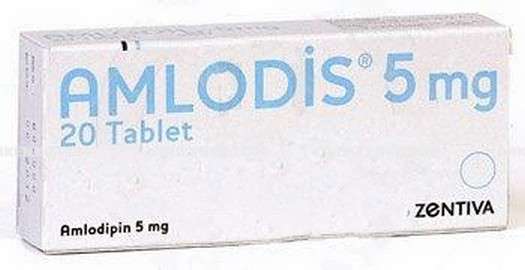
Amlodis Tablet 5 Mg

Dosage form

Pack size

Potency

5 Mg

Manufacturer

Origin

Generic Name (Ingredient)

Amlodipine Besylate 6, 944 Mg (Equivalent To 5 Mg Amlodipine Base)

Amlodis Tablet 5 mg is an effective treatment option for managing hypertension and angina. Its mechanism of action as a calcium channel blocker allows for significant cardiovascular benefits. However, like all medications, it requires careful consideration regarding dosing, potential side effects, and interactions with other drugs. Regular monitoring by healthcare professionals is recommended to ensure optimal therapeutic outcomes.

read more

Assuming you’re in a life-threatening situation and require immediate access to medication, please visit our Community Support Network page.


Description

Amlodis Tablet 5 mg, containing Amlodipine Besylate, is a medication commonly prescribed to treat high blood pressure (hypertension) and manage certain types of chest pain (angina). This drug is part of a class of medications known as calcium channel blockers, which work by relaxing blood vessels, allowing blood to flow more easily and reducing the strain on the heart.

This comprehensive article provides an in-depth review of Amlodis Tablet 5 mg, including its composition, mechanism of action, pharmacokinetics, indications, dosage, side effects, precautions, and dietary considerations.

Composition

Amlodis Tablet 5 mg contains Amlodipine Besylate, equivalent to 5 mg of Amlodipine base. This dosage formulation is designed for once-daily administration, making it convenient for long-term use. Its high oral bioavailability and extended half-life make it effective for maintaining steady blood levels over 24 hours, which is essential for managing chronic conditions such as hypertension and angina.

Mechanism of Action

The mechanism of action of Amlodipine involves its ability to block calcium ions from entering vascular smooth muscle cells and cardiac muscle cells. By inhibiting these calcium channels, Amlodipine causes the relaxation of blood vessels (vasodilation), leading to a decrease in vascular resistance and an overall reduction in blood pressure.

Additionally, it reduces the workload on the heart by decreasing the force needed to pump blood, which can be particularly beneficial for individuals with angina. This dual action of lowering blood pressure and reducing myocardial oxygen demand helps alleviate symptoms of angina and enhances overall cardiovascular health.

Pharmacokinetics

The pharmacokinetics of Amlodipine reveal its efficiency as a once-daily medication. After oral administration, Amlodipine is well absorbed in the gastrointestinal tract, reaching peak plasma levels within 6 to 12 hours. It exhibits a high bioavailability of approximately 64-90%, ensuring most of the drug is available for therapeutic action.

The drug has a prolonged elimination half-life of 30-50 hours, which supports its once-daily dosing regimen. Metabolized extensively in the liver, Amlodipine is primarily excreted through the urine, with around 10% of the drug eliminated unchanged.

Indications

Amlodis Tablet 5 mg is indicated for the treatment of several cardiovascular conditions. Its primary use is in the management of hypertension, where it effectively lowers elevated blood pressure and reduces the risk of complications such as heart attacks, strokes, and kidney damage. Additionally, it is prescribed for angina pectoris, including chronic stable angina and vasospastic angina.

By improving blood flow to the heart muscle and reducing the frequency of angina attacks, it significantly enhances the quality of life for patients with coronary artery disease. Furthermore, Amlodis is often utilized to prevent the progression of coronary artery disease by alleviating arterial spasms and improving overall vascular function.

Dosage and Administration

The recommended dosage for Amlodis Tablet 5 mg varies based on individual needs and response to treatment. For most adults, the typical starting dose is 5 mg once daily, which may be increased to a maximum of 10 mg per day depending on the therapeutic response and tolerance. Elderly patients and those with hepatic or renal impairments may require dose adjustments to avoid excessive drug accumulation and adverse effects.

Amlodis can be taken with or without food and at any time of the day, but consistency in timing is encouraged to maintain steady drug levels in the bloodstream.

Side Effects

While Amlodis is generally well-tolerated, it is associated with several side effects, which may range from mild to severe. Common side effects include peripheral edema, characterized by swelling of the ankles or feet due to fluid retention, as well as fatigue, dizziness, nausea, abdominal discomfort, flushing, and palpitations.

These effects are often mild and transient, resolving as the body adjusts to the medication. However, serious side effects such as severe hypotension, worsening chest pain, or signs of a heart attack, including chest discomfort radiating to the jaw or arm, require immediate medical attention. Rarely, Amlodipine can cause allergic reactions, manifesting as difficulty breathing, swelling of the face or throat, or hives, which necessitate urgent intervention.

Drug Interactions

To minimize the risk of drug interactions, it is crucial for patients to inform their healthcare provider of all medications they are taking, including over-the-counter drugs and supplements. Amlodipine interacts with various drugs, potentially altering its effectiveness or increasing the risk of adverse effects. For example, co-administration with other antihypertensive agents can amplify its blood pressure-lowering effects, leading to hypotension.

Grapefruit juice should be avoided as it inhibits the enzyme CYP3A4, which metabolizes Amlodipine, resulting in elevated plasma levels and increased side effects. Additionally, Amlodipine can interact with statins such as Simvastatin, raising the risk of muscle-related side effects, and immunosuppressants like Cyclosporine, requiring dose adjustments to avoid toxicity.

Special Contraindications & Considerations

Certain contraindications and precautions should be considered when prescribing Amlodis Tablet 5 mg. It is contraindicated in patients with severe hypotension, cardiogenic shock, or a known hypersensitivity to Amlodipine or any component of the formulation. Patients with hepatic impairment or advanced age may need careful dose adjustments and regular monitoring due to altered drug metabolism.

While Amlodipine is generally safe during pregnancy, it should only be used if the benefits outweigh the risks to the fetus. Lactating mothers are advised to consult their healthcare provider before using this medication.

Dietary Recommendations

Dietary considerations are also essential for patients taking Amlodis. Grapefruit and grapefruit juice should be avoided as they can significantly increase drug levels in the bloodstream, heightening the likelihood of adverse effects such as edema and dizziness. A low-sodium diet is recommended for patients with hypertension to enhance the antihypertensive effects of the drug. Excessive alcohol consumption should be avoided, as it may potentiate the blood pressure-lowering effects of Amlodipine, leading to dizziness or fainting.

Patients are encouraged to maintain a balanced diet, including foods rich in potassium, unless otherwise directed by their healthcare provider, as potassium imbalances can affect blood pressure control.

Storage and Disposal

Proper storage and disposal of Amlodis Tablets are important to ensure their efficacy and safety. The tablets should be stored at room temperature, ideally between 20°C and 25°C, in a dry place away from direct sunlight, moisture, and excessive heat. They should be kept out of reach of children to prevent accidental ingestion.

For disposal, unused or expired medication should not be flushed down the toilet or thrown in regular trash. Instead, patients are advised to use a medicine take-back program or consult their pharmacist for safe disposal methods to protect the environment.

Benefits and Usage

The benefits of Amlodis Tablet 5 mg extend beyond simple blood pressure management. By improving vascular relaxation and reducing cardiac workload, it significantly lowers the risk of cardiovascular complications and enhances exercise tolerance in patients with angina.

The convenience of once-daily dosing improves patient compliance, while its proven safety and efficacy make it a valuable option in the management of hypertension and coronary artery disease. However, its use requires careful consideration of patient-specific factors, such as age, comorbidities, and potential drug interactions, to achieve the best therapeutic outcomes.

Aspect Details
Blood Pressure Control Reduces the risk of heart attacks, strokes, and kidney damage.
Angina Relief Improves exercise tolerance and reduces the frequency of anginal attacks.
Convenience Once-daily dosing enhances patient adherence and ease of use.
Vascular Protection Lowers vascular resistance, which can help prevent complications like atherosclerosis.

Key Information on Amlodis Tablet 5 mg Details
Uses Hypertension, angina, coronary artery disease
Mechanism Calcium channel blockade leading to vasodilation and reduced cardiac workload
Dosage 5 mg once daily, up to 10 mg based on response
Common Side Effects Edema, dizziness, fatigue, flushing, nausea, palpitations
Serious Side Effects Severe hypotension, worsening chest pain, allergic reactions
Drug Interactions Grapefruit juice, statins, antihypertensives, immunosuppressants
Storage Room temperature, away from moisture and heat
Dietary Advice Avoid grapefruit products, reduce sodium intake, limit alcohol consumption

Conclusion

In conclusion, Amlodis Tablet 5 mg is an essential medication for managing hypertension and angina. Its dual benefits of lowering blood pressure and alleviating chest pain make it a cornerstone in cardiovascular therapy. Patients prescribed Amlodis should adhere to their healthcare provider’s instructions, maintain a heart-healthy lifestyle, and promptly report any adverse effects or concerns to achieve optimal health outcomes.

Reviews

There are no reviews yet.

Be the first to review “Amlodis Tablet 5 Mg”

Your email address will not be published. Required fields are marked *

Use the form below to report an error

Please answer the questions as thoroughly and accurately as possible. Your answers will help us better understand what kind of mistakes happen, why and where they happen, and in the end the purpose is to build a better archive to guide researchers and professionals around the world.


If an image of the drug is not available on the Wikikenko health encyclopedia, you have the option to submit images/leaflets of the product. Following verification by our pharmaceutical specialist, your submitted images/leaflets will be included in our archive, with due acknowledgment of your contribution. Your cooperation in this matter would greatly assist researchers in finding the information they seek. Upload Images/Leaflet (Less than 2MB)

No Choosen File

Wikikenko.com does not sell, distribute, or provide any pharmaceutical products or health services. Our platform functions solely as a health encyclopedia, providing information on a wide range of health topics, including but not limited to medications.


Medical Disclaimer: Seek Professional Advice

The information on this page is not intended to be a substitute for professional medical advice, diagnosis, or treatment. always seek the advice for your physician or another qualified health provider with any questions you may have regarding a medical condition. Always remember to

  1. Ask your own doctor for medical advice.
  2. Names, brands, and dosage may differ between countries.
  3. When not feeling well, or experiencing side effects always contact your own doctor.

Why you can't look for symptoms on the Internet

If diagnoses could be made simply from a textbook or an article on a website, we would all be doctors and treat ourselves. Nothing can replace the experience and knowledge of specially trained people. As in any field, in medicine there are unscrupulous specialists, differences of opinion, inaccurate diagnoses and incorrect test results. According to Wikipedia, cyberchondria is a mental disorder consisting in the desire to independently make a diagnosis based on the symptoms of diseases described on Internet sites.

 

People also search for…


More results…

Generic selectors
Exact matches only
Search in title
Search in content
Post Type Selectors

The expert search feature is especially useful for healthcare professionals, researchers, and scientists who require accurate and up-to-date information on pharmaceutical products. By narrowing down their searches using filters, they can easily access the relevant data they need, making informed decisions about treatment options or drug research endeavors.

Expert Search  →


Recent comments