
Description
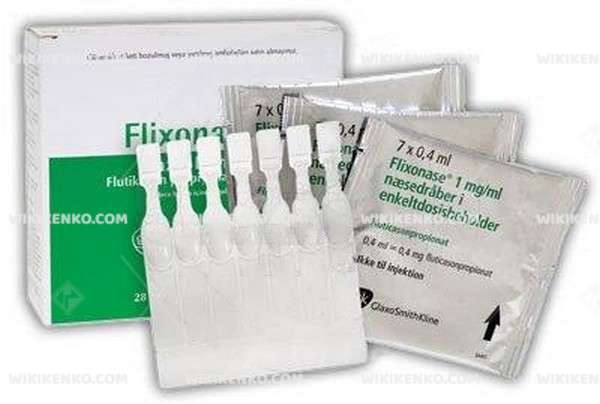
Flixonase Nasal Drops is a prescription medication containing the active ingredient fluticasone propionate, a potent synthetic corticosteroid with pronounced anti-inflammatory, antipruritic, and vasoconstrictive properties. This pharmaceutical preparation delivers 400 micrograms of fluticasone propionate in each polyethylene dropper, specifically formulated for intranasal administration.
Primarily prescribed for the management of allergic and non-allergic rhinitis, including seasonal and perennial allergic rhinitis, Flixonase Nasal Drops offers targeted relief by reducing inflammation of the nasal passages, thereby alleviating symptoms such as nasal congestion, rhinorrhea, sneezing, and nasal itching. The specific drop formulation allows for precise application and may be particularly beneficial for patients who find nasal sprays difficult to use or who require medication delivery while lying down, such as those with severe nasal polyps or anatomical variations of the nasal passages.
Introduction to Flixonase Nasal Drops
Flixonase Nasal Drops represents a specialized formulation in the corticosteroid class of medications, specifically designed for topical application within the nasal cavity. The product appears to be available in certain markets, including Turkey, as indicated by the user query, and contains the well-established glucocorticoid fluticasone propionate at a concentration of 400 micrograms per polyethylene dropper.
This medication belongs to the broader family of intranasal corticosteroids, which constitute a first-line therapy for inflammatory conditions affecting the nasal mucosa. The drops formulation offers distinct advantages over spray variants, particularly for patients with specific anatomical considerations or treatment needs requiring a more directed application method.
Manufactured pharmaceutical companies that produce fluticasone-based products (such as GlaxoSmithKline in some markets), Flixonase Nasal Drops undergoes stringent quality control processes to ensure consistency in both dosage and delivery. The polyethylene dropper system provides a measured dose with each administration, allowing for precise medication delivery to affected areas within the nasal passages.
This precision in dosing is particularly important with corticosteroid medications, where the therapeutic window between efficacy and potential adverse effects necessitates accurate administration.
In most jurisdictions, Flixonase Nasal Drops requires a prescription from a qualified healthcare provider, reflecting the potency of fluticasone propionate and the need for appropriate medical supervision during treatment. This requirement ensures that patients receive proper guidance regarding dosage, duration of therapy, and monitoring for potential adverse effects. The prescription status also facilitates regular reassessment of treatment efficacy and the ongoing need for therapy, particularly important for chronic conditions requiring extended corticosteroid use.
Composition and Formulation
The principal active pharmaceutical ingredient in Flixonase Nasal Drops is fluticasone propionate, a synthetic corticosteroid with potent anti-inflammatory properties designed for topical application. Each polyethylene dropper contains a precisely measured dose of 400 micrograms of fluticasone propionate, formulated specifically for intranasal administration. This concentration has been determined through extensive clinical research to provide optimal therapeutic effects while minimizing the risk of systemic absorption and associated adverse effects.
The chemical structure of fluticasone propionate includes a fluorinated element that enhances its anti-inflammatory potency compared to many other corticosteroids, while its lipophilic properties facilitate effective penetration into the nasal mucosa.
The formulation likely includes various excipients designed to ensure proper dispersal, stability, and preservation of the active ingredient. Though specific inactive ingredients may vary by manufacturer and region, typical components of fluticasone nasal formulations include purified water, microcrystalline cellulose, carboxymethylcellulose sodium, dextrose, polysorbate, benzalkonium chloride as a preservative, and agents to maintain proper pH and tonicity.
These pharmaceutical excipients are carefully selected to complement the therapeutic action of fluticasone propionate while minimizing irritation to the delicate nasal tissues. The preservative system prevents microbial contamination throughout the product’s shelf life, a critical consideration for multi-dose nasal preparations.
The polyethylene dropper delivery system represents a specialized pharmaceutical technology designed to facilitate precise administration of the medication directly to the nasal passages. This delivery method differs from the more common spray mechanisms and may offer advantages in terms of targeted application, particularly for reaching the superior and posterior regions of the nasal cavity or for administration to patients in supine positions.
The dropper design allows for careful control of the medication flow, potentially reducing wastage and improving the cost-effectiveness of therapy over time. Additionally, the polyethylene material used in the dropper is selected for its inertness, ensuring that it does not interact with the active ingredient or other formulation components.
Mechanism of Action
Fluticasone propionate, the active component of Flixonase Nasal Drops, exerts its therapeutic effects through multiple anti-inflammatory and immunomodulatory mechanisms at the cellular level. Upon administration, the medication penetrates the cell membrane of target cells within the nasal mucosa and binds with high affinity to cytoplasmic glucocorticoid receptors.
This binding initiates a cascade of molecular events, including the translocation of the receptor-glucocorticoid complex to the nucleus, where it interacts with specific DNA sequences known as glucocorticoid response elements. This interaction leads to both the upregulation of anti-inflammatory proteins and the downregulation of pro-inflammatory mediators, effectively modulating the inflammatory response within the nasal tissues.
The anti-inflammatory effects of fluticasone propionate manifest through multiple pathways, including the inhibition of inflammatory cell recruitment, reduction of cytokine production, and suppression of inflammatory mediator release. Specifically, fluticasone inhibits the production of inflammatory cytokines, including interleukins, tumor necrosis factor-alpha, and various chemokines that would otherwise perpetuate the inflammatory cascade.
Additionally, the medication reduces the infiltration of inflammatory cells such as eosinophils, neutrophils, and mast cells into the nasal mucosa, thereby diminishing the inflammatory response that characterizes conditions like allergic rhinitis. These actions collectively result in decreased nasal congestion, reduced mucus production, and alleviation of other symptoms associated with nasal inflammation.
A significant advantage of topically applied fluticasone propionate lies in its predominantly local effects with minimal systemic absorption. The medication acts primarily at the site of application-the nasal mucosa-with negligible amounts entering systemic circulation, particularly when administered as directed.
This localized action is further enhanced by the rapid hepatic metabolism of any systemically absorbed fluticasone, resulting in a first-pass effect that converts the compound to less active metabolites. The high lipophilicity of fluticasone propionate contributes to its extended residence time within the nasal tissues, allowing for prolonged local anti-inflammatory effects while minimizing systemic exposure and associated adverse effects typically observed with oral or injectable corticosteroids.
Therapeutic Applications
Primary Indications
Flixonase Nasal Drops is primarily indicated for the treatment of seasonal and perennial allergic rhinitis, conditions characterized by inflammation of the nasal mucosa in response to environmental allergens such as pollen, dust mites, animal dander, or mold spores. In allergic rhinitis, exposure to allergens triggers an immunoglobulin E (IgE)-mediated inflammatory response, resulting in symptoms such as nasal congestion, rhinorrhea (runny nose), sneezing, and nasal itching that significantly impact quality of life.
Fluticasone propionate effectively addresses these symptoms by suppressing the underlying inflammatory mechanisms, providing symptomatic relief while targeting the pathophysiological processes driving the condition. Clinical studies have demonstrated that regular use of intranasal fluticasone provides superior symptom control compared to antihistamines alone, particularly for nasal congestion, which often responds poorly to other medication classes.
Another significant indication for Flixonase Nasal Drops is the management of nasal polyps, which are non-cancerous growths that develop from chronically inflamed nasal mucosa and can obstruct nasal passages, impair sinus drainage, and compromise olfaction. The anti-inflammatory properties of fluticasone propionate help reduce the size of existing polyps while potentially preventing the formation of new growths.
The drops formulation may be particularly advantageous for nasal polyp patients, as it allows the medication to reach polyps located in the superior nasal cavity or near the nasopharynx, areas that may be difficult to target effectively with standard nasal sprays. Regular use of fluticasone nasal drops has been shown to improve nasal airflow, reduce polyp size, restore sense of smell, and in some cases, eliminate the need for surgical intervention.
Flixonase Nasal Drops may also be prescribed for non-allergic forms of rhinitis, including vasomotor rhinitis, rhinitis medicamentosa, and non-allergic rhinitis with eosinophilia syndrome (NARES). These conditions, while not triggered by allergen-specific IgE responses, still involve inflammation of the nasal mucosa and respond to the anti-inflammatory effects of topical corticosteroids.
Additionally, healthcare providers might prescribe this medication in the post-operative management following endoscopic sinus surgery or septoplasty to reduce inflammation, prevent adhesion formation, and promote optimal healing of the nasal tissues. The precise delivery method of the drops allows for targeted application to surgical sites, potentially improving outcomes and reducing recovery time.
Off-label Uses
Beyond its approved indications, Flixonase Nasal Drops has been utilized off-label by some practitioners for the symptomatic management of chronic rhinosinusitis, a persistent inflammation of the nasal passages and paranasal sinuses lasting more than 12 weeks. This condition, characterized by mucosal inflammation, purulent nasal drainage, nasal obstruction, and facial pressure or pain, can significantly impair quality of life and productivity.
The anti-inflammatory properties of fluticasone propionate may help reduce mucosal inflammation, decrease mucus production, and improve sinus drainage in affected patients. Some clinicians find the drops formulation particularly useful for chronic rhinosinusitis as it can be administered while the patient is in a head-down position, potentially facilitating better distribution of the medication throughout the sinuses compared to conventional nasal sprays.
Specialized otolaryngologists occasionally employ Flixonase Nasal Drops in the management of certain cases of eosinophilic otitis media, a relatively rare but treatment-resistant form of chronic otitis media characterized by a viscous, eosinophil-rich middle ear effusion. The medication may be introduced into the middle ear through the tympanic membrane or through a ventilation tube to directly target the inflammatory process.
This approach leverages the potent anti-inflammatory and anti-eosinophilic properties of fluticasone propionate to address inflammation in a difficult-to-reach anatomical location. However, it should be emphasized that this application requires specialized knowledge and equipment, and should only be performed by properly trained healthcare professionals.
Some evidence suggests potential benefits of intranasal corticosteroids, including fluticasone formulations, in improving symptoms related to adenoid hypertrophy in pediatric patients. The anti-inflammatory effects may reduce the size of hypertrophic adenoid tissue, potentially improving nasal breathing, reducing snoring, and decreasing the frequency of otitis media in affected children.
Additionally, preliminary research indicates that intranasal corticosteroids might offer adjunctive benefits in certain cases of obstructive sleep apnea where nasal obstruction contributes to the condition. While these applications fall outside the standard approved indications for Flixonase Nasal Drops, they reflect the broader potential utility of topical corticosteroids in conditions involving inflammation of the upper respiratory tract mucosa.
Dosage and Administration
Recommended Dosages
The standard dosage regimen for Flixonase Nasal Drops typically varies according to patient age, condition being treated, and severity of symptoms. For adult patients with allergic rhinitis or nasal polyps, the usual recommended starting dose is one or two drops (400-800 micrograms of fluticasone propionate) administered into each nostril once or twice daily, with the total daily dose generally not exceeding 1600 micrograms. Clinical improvement often begins within the first 24 hours of treatment, though the full therapeutic benefit may require several days to manifest.
Once symptom control has been achieved, many practitioners recommend titrating to the lowest effective maintenance dose to minimize the risk of adverse effects while maintaining therapeutic efficacy. This maintenance phase commonly involves reducing the frequency to once-daily administration or decreasing the number of drops per administration while monitoring symptom control.
For pediatric patients, dosing considerations must account for age-related differences in nasal anatomy, medication metabolism, and the potential impact on growth and development. Children typically receive lower doses compared to adults, with specific recommendations varying by age group and regulatory jurisdiction. Generally, children aged 4-11 years may be prescribed one drop per nostril once daily (400 micrograms total daily dose), while adolescents aged 12-17 years often follow adult dosing guidelines.
However, it must be emphasized that pediatric use should always be under direct medical supervision with careful monitoring for potential adverse effects, particularly when treatment extends beyond short-term periods. The risk-benefit profile must be carefully evaluated by healthcare providers before initiating treatment in younger patients.
Special considerations apply to elderly patients, who may experience altered medication response due to age-related changes in nasal physiology, concurrent medical conditions, and potential drug interactions. While specific dosage adjustments are not typically required based solely on advanced age, clinicians should maintain vigilance for enhanced sensitivity to both therapeutic and adverse effects in this population.
Patients with hepatic impairment may require closer monitoring during treatment, as hepatic metabolism represents the primary clearance mechanism for any systemically absorbed fluticasone propionate. However, given the minimal systemic absorption associated with proper intranasal administration, dose adjustments are not routinely recommended for patients with renal or hepatic dysfunction unless specifically indicated by individual clinical circumstances.
Administration Techniques
Proper administration technique is essential for maximizing the therapeutic benefits of Flixonase Nasal Drops while minimizing the risk of adverse effects. Before initial use, patients should be instructed to prepare the medication according to manufacturer guidelines, which typically involves gently shaking the container and priming the dropper if required by the specific product design.
Prior to administration, the nasal passages should be gently cleared of secretions by blowing the nose, thereby improving medication contact with the nasal mucosa. If severe congestion prevents adequate clearing, some practitioners recommend using a saline nasal spray or rinse approximately 10-15 minutes before administering the medication to improve nasal patency and medication distribution.
The recommended position for administering nasal drops is designed to optimize medication distribution to target areas within the nasal cavity. Patients should tilt their head backward while in a sitting or standing position, or alternatively, lie on a bed with their head tilted back and hanging slightly over the edge. The dropper should be positioned just inside the nostril without touching the sides of the nasal passage to maintain sterility and prevent contamination.
After instilling the prescribed number of drops into each nostril, patients should maintain the head-back position for approximately 1-2 minutes to allow the medication to spread throughout the nasal passages and reach the intended target tissues. This positioning is particularly important for patients with nasal polyps or inflammation in the superior nasal cavity, as it facilitates medication delivery to these otherwise difficult-to-reach areas.
To minimize the risk of local or systemic adverse effects, patients should be counseled on the importance of avoiding common administration errors. These include exceeding the prescribed dose or frequency, improperly positioning the head during administration, or inadvertently swallowing a substantial portion of the medication. Patients should also be instructed to avoid sharing their nasal drops with others, as this practice can lead to contamination and potential transmission of infections.
Regular cleaning of the dropper tip according to manufacturer recommendations helps prevent bacterial contamination and maintains proper medication delivery. For optimal therapeutic outcomes, patients should be encouraged to use the medication consistently as prescribed, preferably at approximately the same time(s) each day to establish a routine and improve adherence to the treatment regimen.
Clinical Efficacy
Extensive clinical research has established fluticasone propionate as one of the most efficacious intranasal corticosteroids for the management of allergic rhinitis and related nasal conditions. Multiple randomized controlled trials demonstrate that regular use of fluticasone nasal formulations significantly reduces symptom scores compared to placebo, with particularly pronounced effects on nasal congestion, rhinorrhea, sneezing, and itching.
The onset of action is relatively rapid, with many patients experiencing noticeable improvement within 12-24 hours of initial administration, though maximal therapeutic benefits typically develop over several days of consistent use. Long-term efficacy studies indicate sustained benefit without tachyphylaxis (diminishing response over time), enabling successful management of chronic conditions requiring extended treatment periods. This consistent efficacy profile makes fluticasone propionate a cornerstone therapy for both seasonal and perennial allergic rhinitis.
For patients with nasal polyps, clinical trials have demonstrated that fluticasone propionate significantly reduces polyp size, improves nasal airflow, and enhances olfactory function compared to placebo interventions. The drops formulation may offer particular advantages for polyp treatment due to its ability to reach the middle and superior nasal cavity more effectively when administered in the head-back position. Studies comparing pre- and post-treatment endoscopic evaluations show that consistent use often leads to visible reduction in polyp size within 4-8 weeks, with continued improvement possible over longer treatment periods.
In some cases, fluticasone nasal drops have successfully reduced polyp size sufficiently to obviate the need for surgical intervention, while in post-surgical patients, regular use appears to delay or prevent polyp recurrence, significantly extending the period of post-operative benefit.
Comparative effectiveness research positions fluticasone propionate favorably among both pharmacological and non-pharmacological interventions for allergic rhinitis and nasal polyps. When compared to oral antihistamines, fluticasone demonstrates superior efficacy for nasal congestion while providing comparable relief from sneezing and rhinorrhea. Against other intranasal corticosteroids, fluticasone propionate exhibits similar or superior efficacy with a comparable safety profile, though individual patient response may vary based on factors such as adherence, administration technique, and personal sensitivity to specific formulations.
The drops formulation, specifically, may offer advantages over sprays in certain clinical scenarios, particularly for patients with anatomical variations that might limit spray distribution or those requiring medication delivery while supine. This versatility in delivery options enhances the overall utility of fluticasone propionate in diverse patient populations and clinical contexts.
Safety Profile
Common Side Effects
Flixonase Nasal Drops, like other topical corticosteroid formulations, may produce various local adverse effects primarily related to direct contact with the nasal mucosa. The most frequently reported side effects include mild to moderate nasal irritation, dryness, or burning sensation upon application, occurring in approximately 5-10% of users. These symptoms typically manifest shortly after administration and generally resolve spontaneously with continued use as the nasal tissues accommodate to the medication.
Some patients report transient sneezing following application, which usually diminishes with regular use and proper administration technique. Epistaxis (nosebleed) represents another common adverse effect, affecting approximately 4-8% of individuals using intranasal fluticasone preparations, and may result from both the direct irritant effect of the formulation and the drying properties of corticosteroids on nasal tissues. Patients with pre-existing nasal septal abnormalities or those who direct the spray forcefully toward the nasal septum may experience higher rates of epistaxis.
Localized nasopharyngeal effects can also occur and may include throat irritation, dryness, or discomfort that sometimes manifests as a sensation of postnasal drip. Approximately 3-5% of users report experiencing an unpleasant taste or smell sensation following administration, particularly if the medication drains posteriorly into the pharynx. Less commonly, some patients develop mild headaches during the initial days of therapy, though this symptom typically resolves with continued treatment.
Nasal ulceration represents a rare but potentially concerning local adverse effect, occurring in less than 1% of patients, particularly with improper administration technique or prolonged high-dose therapy. Patients should be advised to report persistent nasal pain, crusting, or recurrent bleeding, as these may indicate mucosal damage requiring medical evaluation and potential adjustment of therapy.
When administered at recommended doses, fluticasone nasal preparations demonstrate minimal systemic absorption and, consequently, a very low incidence of systemic adverse effects. The bioavailability of intranasally administered fluticasone propionate is estimated at less than 2%, with most of the absorbed portion undergoing rapid hepatic metabolism to less active derivatives. This favorable pharmacokinetic profile explains the rarity of systemic corticosteroid effects such as hypothalamic-pituitary-adrenal (HPA) axis suppression, growth inhibition, or osteoporosis, even with extended use.
However, patients simultaneously using multiple corticosteroid formulations (such as inhaled corticosteroids for asthma, topical dermatologic preparations, or oral corticosteroids) may experience additive effects that increase the risk of systemic toxicity. Healthcare providers should therefore carefully evaluate the cumulative corticosteroid exposure from all sources when assessing the safety profile for individual patients.
Rare Adverse Reactions
Although uncommon, serious adverse reactions associated with Flixonase Nasal Drops warrant vigilance from both healthcare providers and patients. Localized fungal infections, particularly Candida albicans infections of the nasal mucosa or pharynx, represent rare but significant complications of intranasal corticosteroid therapy. These opportunistic infections exploit the local immunosuppressive effects of corticosteroids and may present as white patches or plaques on the affected mucosa, often accompanied by discomfort or altered taste sensation.
Risk factors include high-dose or prolonged therapy, concurrent systemic immunosuppression, and uncontrolled diabetes mellitus. Prompt diagnosis and appropriate antifungal treatment are essential to prevent extension of the infection and associated complications. Patients should be educated about this potential complication and advised to report persistent white lesions, unusual nasal or throat discomfort, or unexplained changes in taste or smell.
Extremely rare but medically significant adverse events include hypersensitivity reactions to fluticasone propionate or any of the formulation excipients. These reactions may manifest as localized urticaria, angioedema, bronchospasm, or, in severe cases, anaphylaxis. Patients with known hypersensitivity to corticosteroids or a history of immediate hypersensitivity reactions to any medication should undergo careful risk assessment before initiating therapy.
Additionally, case reports have documented isolated instances of nasal septum perforation associated with long-term intranasal corticosteroid use, particularly in patients with pre-existing nasal septal pathology, those using improper administration techniques, or individuals concurrently using other nasal medications that might compromise septal integrity. Regular monitoring of the nasal mucosa during follow-up examinations can help identify early mucosal changes that might precede this serious complication.
Theoretical concerns exist regarding potential ocular complications with intranasal corticosteroid use, particularly with long-term therapy or improper administration that might direct the medication toward the nasal-ocular duct. These include elevated intraocular pressure, glaucoma, and posterior subcapsular cataract formation. While clinical evidence suggests that the risk of such complications with recommended doses of intranasal fluticasone is exceptionally low, patients with pre-existing glaucoma, family history of glaucoma, or other risk factors for ocular hypertension merit additional monitoring during therapy.
Similarly, although exceedingly rare, case reports have documented instances of psychiatric disturbances, including anxiety, depression, and sleep disorders, temporally associated with initiation of intranasal corticosteroid therapy. Healthcare providers should maintain awareness of these potential associations while recognizing that causality remains difficult to establish given the background prevalence of these conditions in the general population.
Special Considerations
Use in Specific Populations
Pregnant women require careful consideration when contemplating the use of Flixonase Nasal Drops, as the safety profile during pregnancy must balance maternal benefit against potential fetal risk. Available evidence from observational studies and pregnancy registries suggests that intranasal fluticasone propionate, when used at recommended doses, does not significantly increase the risk of major congenital malformations or adverse pregnancy outcomes. However, as with most medications, the principle of using the lowest effective dose for the shortest necessary duration applies particularly to pregnant patients.
Healthcare providers typically categorize fluticasone propionate as a pregnancy category C medication (US FDA classification prior to 2015), indicating that risk cannot be ruled out but potential benefits may warrant use despite potential risks, particularly for women with moderate to severe symptoms that significantly impact quality of life or present secondary health risks such as poor sleep quality or compromised respiratory function.
For lactating women, limited data suggest minimal transfer of fluticasone propionate into breast milk due to its low systemic bioavailability when administered intranasally. The theoretical infant dose would represent a negligible fraction of the maternal dose, and significant effects on a breastfeeding infant appear unlikely. Nevertheless, nursing mothers should be advised to administer the medication immediately after breastfeeding rather than before, further minimizing potential infant exposure.
Pediatric use of fluticasone nasal preparations requires special attention to potential effects on growth and development, particularly with long-term administration. While short-term studies have not demonstrated significant growth suppression with intranasal fluticasone at recommended doses, vigilance regarding growth velocity is prudent for children receiving extended therapy, especially those concurrently using other corticosteroid formulations.
Elderly patients may experience altered pharmacokinetics and pharmacodynamics of fluticasone propionate due to age-related changes in nasal mucosa, hepatic function, and tissue sensitivity to corticosteroids. These patients may exhibit increased susceptibility to local adverse effects such as nasal dryness and epistaxis due to age-related thinning of nasal mucosa.
Additionally, concurrent medical conditions common in older adults, such as glaucoma, osteoporosis, or diabetes mellitus, may theoretically increase vulnerability to corticosteroid-related adverse effects, though the minimal systemic absorption of properly administered intranasal fluticasone mitigates this risk. Healthcare providers should maintain awareness of these considerations while recognizing that dosage adjustments based solely on advanced age are not routinely required for intranasal fluticasone preparations.
Drug Interactions
Flixonase Nasal Drops demonstrates relatively few clinically significant drug interactions due to its predominantly local action and minimal systemic absorption when administered as directed. However, concomitant use with potent inhibitors of cytochrome P450 3A4 (CYP3A4), such as ritonavir, ketoconazole, itraconazole, or clarithromycin, warrants particular attention. These medications can substantially inhibit the hepatic metabolism of any systemically absorbed fluticasone propionate, potentially leading to increased systemic corticosteroid exposure and associated adverse effects.
Case reports document instances of iatrogenic Cushing’s syndrome and secondary adrenal suppression in patients using intranasal or inhaled fluticasone concurrently with strong CYP3A4 inhibitors, particularly ritonavir. While these reports more commonly involve inhaled formulations (which typically have higher bioavailability than intranasal preparations), the theoretical risk exists with any route of administration and increases with higher doses or prolonged therapy.
Concurrent use of multiple corticosteroid formulations from different routes of administration represents another important consideration for healthcare providers. Patients simultaneously using intranasal fluticasone with inhaled, topical, or oral corticosteroids may experience additive systemic effects that increase the risk of hypothalamic-pituitary-adrenal axis suppression and other systemic corticosteroid complications.
Healthcare providers should carefully evaluate total corticosteroid exposure across all administration routes and consider dose adjustments or alternative therapies when appropriate. Additionally, monitoring for signs of systemic corticosteroid excess, such as moon facies, striae, easy bruising, or blood glucose disturbances, may be prudent for patients using multiple corticosteroid preparations, particularly over extended periods or at higher doses.
Theoretical interactions may exist between Flixonase Nasal Drops and other topically administered nasal medications, though clinical evidence regarding such interactions remains limited. Concurrent use with other intranasal preparations, particularly those containing preservatives or with irritant potential, might theoretically increase the risk of local adverse effects such as irritation or nasal mucosa damage.
Some clinicians recommend separating administration times by at least 30-60 minutes when multiple intranasal medications are prescribed. Additionally, patients using nasal decongestants should be counseled about the risk of rhinitis medicamentosa (rebound congestion) from the decongestant component, a condition that might be mistakenly attributed to treatment failure of the corticosteroid preparation, potentially leading to inappropriate dose escalation or unnecessary therapy modifications.
Storage and Handling
Proper storage of Flixonase Nasal Drops is essential for maintaining medication potency and preventing contamination throughout the product’s shelf life. The drops should generally be stored at controlled room temperature, typically between 15-30°C (59-86°F), protected from direct sunlight, extreme temperatures, and freezing conditions that could potentially alter the chemical stability of the active ingredient or compromise the integrity of the delivery system.
The container should be kept tightly closed when not in use to prevent evaporation, contamination, or degradation of the formulation. Some fluticasone nasal preparations include specific guidance regarding storage orientation (upright vs. horizontal positioning), which should be followed according to manufacturer recommendations to maintain proper function of the delivery mechanism and prevent leakage or dose inconsistency.
The shelf life of Flixonase Nasal Drops is determined through stability studies conducted by the manufacturer and is typically indicated on the packaging as an expiration date. Using the medication beyond this date is not recommended, as chemical degradation may result in reduced efficacy or altered safety profile. Additionally, many nasal drop formulations specify a period after opening during which the product remains stable and suitable for use, commonly ranging from 1-3 months depending on the specific formulation and preservative system.
This “in-use” shelf life recognizes the potential for contamination and preservative degradation once the sealed container has been opened and exposed to environmental conditions. Patients should be advised to note the date of first opening on the container and discard the medication after the recommended in-use period has elapsed, even if solution remains and the printed expiration date has not been reached.
To minimize the risk of contamination and cross-infection, patients should be educated about proper handling techniques for their nasal drops. The dropper tip should not contact any surface, including the nasal passages, fingers, or other objects, as this could introduce microorganisms into the solution. After each use, the tip should be wiped clean with a fresh tissue or alcohol swab according to manufacturer recommendations, and the protective cap should be replaced promptly.
The medication should never be shared between individuals, even family members, due to the risk of cross-contamination and potential disease transmission. Proper disposal of expired or unused medication should follow local regulations for pharmaceutical waste; in many jurisdictions, unused medications should not be flushed down toilets or drains but instead returned to pharmacies or designated collection sites to minimize environmental impact and prevent unintended exposure.
Regulatory Information
Flixonase Nasal Drops, containing fluticasone propionate, is subject to varying regulatory classifications across different jurisdictions worldwide, reflecting differences in national pharmaceutical regulatory frameworks. In most countries, including the United Kingdom, European Union member states, and Turkey, fluticasone nasal preparations are classified as prescription-only medications (POM), requiring authorization from a licensed healthcare provider before dispensing. This classification acknowledges both the potency of fluticasone propionate as a corticosteroid and the importance of proper medical supervision during therapy.
The prescription requirement enables healthcare providers to ensure appropriate patient selection, dosing, monitoring, and duration of therapy while minimizing the risks associated with unsupervised use, particularly for extended periods.
The approval status of specific fluticasone formulations varies by country and regulatory authority, with some variations in approved indications, age restrictions, and specific product presentations. Regulatory bodies such as the European Medicines Agency (EMA), the U.S. Food and Drug Administration (FDA), and Turkey’s Türkiye İlaç ve Tıbbi Cihaz Kurumu (Turkish Medicines and Medical Devices Agency) have conducted independent evaluations of fluticasone propionate safety and efficacy data before granting marketing authorizations.
These evaluations consider the benefit-risk profile for specific indications, formulations, and patient populations, resulting in potentially different approved uses across regulatory jurisdictions. Healthcare providers should familiarize themselves with locally approved indications and prescribing information relevant to their practice location to ensure compliance with regulatory requirements and standards of care.
Regulatory authorities also mandate specific labeling requirements for fluticasone nasal preparations, including comprehensive package inserts or summaries of product characteristics (SmPC) that detail approved indications, dosing guidelines, contraindications, warnings, and potential adverse effects. These documents undergo periodic review and updates as new safety information becomes available through post-marketing surveillance and pharmacovigilance activities.
Manufacturers are typically required to maintain robust pharmacovigilance systems to monitor and report adverse events associated with their products, enabling ongoing assessment of the benefit-risk profile throughout the product lifecycle. This regulatory framework aims to protect public health by ensuring that marketed medications maintain favorable benefit-risk profiles based on evolving scientific evidence and clinical experience.
Product Information Table
| Generic Name | Fluticasone propionate |
| Brand Name | Flixonase Nasal Drops |
| Drug Class | Synthetic corticosteroid; glucocorticoid |
| Formulation | Nasal drops in polyethylene dropper |
| Strength | 400 micrograms fluticasone propionate per dropper |
| Primary Indications | Allergic rhinitis (seasonal and perennial), nasal polyps, non-allergic rhinitis |
| Standard Dosage | Adults: 1-2 drops in each nostril once or twice daily Children (4-11 years): 1 drop in each nostril once daily |
| Common Side Effects | Nasal irritation, dryness, epistaxis (nosebleed), throat irritation, headache, unpleasant taste |
| Serious Side Effects | Nasal septal perforation (rare), localized fungal infections, hypersensitivity reactions |
| Contraindications | Hypersensitivity to fluticasone or any component of the formulation, untreated nasal infections |
| Special Precautions | Pregnancy, breastfeeding, concurrent use of CYP3A4 inhibitors, glaucoma, untreated fungal infections, recent nasal surgery or trauma |
| Storage Recommendations | Store at room temperature (15-30°C/59-86°F), protect from light, keep container tightly closed |
| Regulatory Status | Prescription-only medication in most jurisdictions |
Conclusion
Flixonase Nasal Drops represents an important therapeutic option in the management of inflammatory nasal conditions, particularly allergic rhinitis and nasal polyposis. With fluticasone propionate as its active ingredient, this medication offers potent anti-inflammatory effects with minimal systemic absorption when used as directed, providing effective symptom control while maintaining a favorable safety profile.
The drops formulation provides specific advantages for certain patient populations and clinical scenarios, complementing the more widely available spray presentations of intranasal corticosteroids. Proper patient education regarding administration technique, expected outcomes, potential adverse effects, and appropriate duration of therapy remains essential for optimizing therapeutic benefits while minimizing risks associated with treatment.
Healthcare providers should approach prescribing decisions with careful consideration of individual patient factors, including specific diagnosis, symptom severity, age, comorbid conditions, concurrent medications, and previous treatment responses. Regular follow-up assessments allow for evaluation of therapeutic efficacy, monitoring for potential adverse effects, and appropriate adjustment of treatment plans based on clinical response.
For chronic conditions requiring extended therapy, periodic reassessment of the need for continued treatment and consideration of step-down approaches once stable symptom control has been achieved can help minimize cumulative corticosteroid exposure while maintaining clinical benefits. With appropriate patient selection, education, and monitoring, Flixonase Nasal Drops offers an effective therapeutic option that can significantly improve quality of life for individuals suffering from inflammatory nasal conditions.











Reviews
There are no reviews yet.