
Description
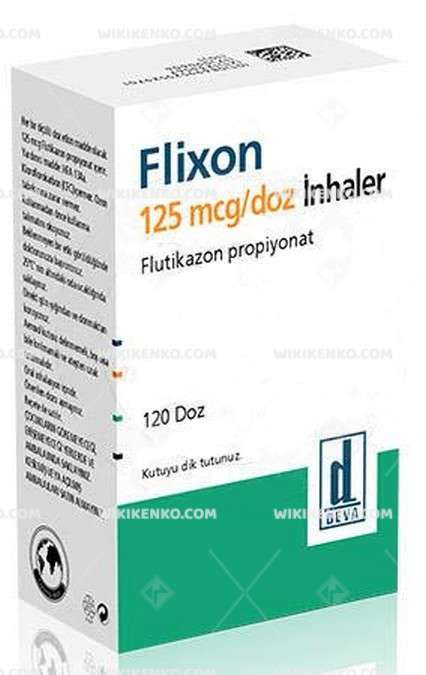
Flixon Inhaler 125 Mcg is a prescription medication containing 125 micrograms of Fluticasone Propionate per actuation. This corticosteroid inhaler is primarily used in the management of asthma and other respiratory conditions, working through potent anti-inflammatory mechanisms to reduce airway inflammation and improve breathing. Manufactured in Turkey, this inhaler belongs to the class of inhaled corticosteroids (ICS) that forms the cornerstone of maintenance therapy for persistent asthma and certain chronic obstructive pulmonary disease (COPD) cases. This review provides detailed information about its mechanism of action, therapeutic uses, proper administration, potential side effects, and important precautions.
Understanding Fluticasone Propionate
Fluticasone Propionate, the active ingredient in Flixon Inhaler, is a synthetic glucocorticoid with powerful anti-inflammatory properties specifically designed for inhalation therapy. It belongs to the class of medications known as inhaled corticosteroids (ICS), which are considered the most effective anti-inflammatory medications for the treatment of persistent asthma. The molecule works by binding to glucocorticoid receptors in the respiratory tract, subsequently suppressing multiple inflammatory pathways that contribute to airway inflammation and hyperreactivity. Fluticasone Propionate demonstrates high topical potency in the lungs while having minimal systemic effects when used at recommended doses, which contributes to its favorable benefit-risk profile.
Unlike bronchodilators that provide immediate symptom relief, Fluticasone Propionate works gradually to reduce underlying inflammation, which is the primary pathophysiological feature of persistent asthma. Its mechanism involves downregulating the production of inflammatory mediators, inhibiting the recruitment of inflammatory cells, reducing vascular permeability, and decreasing mucus secretion. The 125 mcg strength represents a medium-dose formulation that balances efficacy and safety for appropriate patient populations.
Pharmaceutical Characteristics
Flixon Inhaler delivers precisely measured doses of Fluticasone Propionate as an aerosol or dry powder, depending on the specific formulation. The inhaler device is designed to deliver the medication directly to the airways, maximizing local effects in the lungs while minimizing systemic exposure. This targeted delivery system ensures that the medication reaches the small and medium-sized bronchi, which are often the sites of inflammation in asthma and other respiratory conditions. Each actuation delivers exactly 125 micrograms of the active ingredient, allowing for precise dosing and titration according to individual patient needs.
The formulation does not contain chlorofluorocarbons (CFCs), making it environmentally friendly compared to older inhaler technologies. The device itself is designed to be user-friendly, with a dose counter in most versions to help patients track their medication usage and anticipate when a replacement will be needed. Proper coordination between actuation and inhalation is important for optimal drug delivery to the lungs.
Therapeutic Indications
Asthma Management
Flixon Inhaler 125 Mcg is primarily indicated for the maintenance treatment of persistent asthma in patients who require regular anti-inflammatory therapy. It is suitable for patients whose asthma is not adequately controlled with as-needed short-acting beta-agonists alone or with low-dose inhaled corticosteroids. The medication helps prevent asthma symptoms such as wheezing, shortness of breath, and chest tightness rather than relieving acute symptoms during an asthma attack. Regular use significantly reduces the frequency and severity of asthma exacerbations, improves lung function parameters, and enhances overall quality of life for asthma patients.
Fluticasone Propionate has demonstrated efficacy across various asthma phenotypes and serves as a cornerstone of step-up therapy in asthma management guidelines. Clinical studies have shown that the 125 mcg strength is appropriate for patients with moderate persistent asthma, providing significant improvement in symptoms while maintaining a favorable safety profile. It is important to note that Flixon should be used regularly as prescribed, even when symptoms are not present, to maintain optimal asthma control.
Other Respiratory Conditions
Beyond asthma, Flixon Inhaler may be prescribed for other inflammatory respiratory conditions that respond to inhaled corticosteroids. These include certain presentations of chronic obstructive pulmonary disease (COPD), particularly those with features of asthma-COPD overlap or those with frequent exacerbations despite optimal bronchodilator therapy. The anti-inflammatory effects of Fluticasone Propionate can help reduce COPD exacerbations and improve symptoms in appropriate patients.
In some cases, healthcare providers may prescribe Flixon off-label for conditions such as bronchiectasis, hypersensitivity pneumonitis, or eosinophilic bronchitis, where airway inflammation plays a significant role in symptom progression. The decision to use Flixon in these conditions is based on individual clinical assessment and benefit-risk evaluation by the treating physician.
Administration and Dosage Guidelines
Proper Inhalation Technique
The efficacy of Flixon Inhaler 125 Mcg significantly depends on correct inhalation technique. Patients should be thoroughly instructed on proper use of the device. For pressurized metered-dose inhalers, patients should exhale completely, place the mouthpiece between the lips forming a good seal, begin to inhale slowly and deeply while simultaneously pressing down on the canister, continue inhaling for 4-5 seconds, hold breath for approximately 10 seconds, and then exhale slowly. For dry powder inhalers, the technique varies slightly but similarly requires coordination and proper breathing maneuvers.
Regular review of inhalation technique by healthcare providers is recommended, as technique often deteriorates over time. Using a spacer device with Flixon can improve drug delivery to the lungs and reduce oropharyngeal deposition, which may decrease the risk of local side effects such as oral candidiasis. Patients should rinse their mouth with water after each use without swallowing to further minimize local side effects.
Dosage Recommendations
The appropriate dosage of Flixon Inhaler varies depending on the severity of the condition being treated, previous medication use, and individual response. For adults and adolescents with moderate persistent asthma, the typical starting dose is one to two inhalations (125-250 mcg) twice daily. For children aged 4-16 years, dosing is typically adjusted based on age, severity of asthma, and prior steroid requirement, with lower doses generally recommended than for adults.
Once asthma control is achieved and maintained for at least three months, a gradual reduction in dose to the lowest effective amount may be attempted under medical supervision. Abrupt discontinuation is not recommended as it may lead to deterioration of asthma control. In COPD, the dosing regimen may differ, and combination with a long-acting bronchodilator is often prescribed.
Side Effects and Safety Profile
Common Side Effects
While Flixon Inhaler is generally well-tolerated, certain side effects may occur due to both local deposition of the medication and limited systemic absorption. The most commonly reported side effects include oropharyngeal candidiasis (thrush), hoarseness or dysphonia, throat irritation, and cough. These local effects result from the deposition of the drug in the mouth and throat during inhalation and can be minimized by using proper inhalation technique, using a spacer device when appropriate, and rinsing the mouth after each use without swallowing the rinse water.
Some patients may experience headache, sinusitis, or upper respiratory tract infections during treatment, although it is often difficult to distinguish whether these are related to the medication or the underlying respiratory condition. Most side effects are mild to moderate in intensity and tend to diminish with continued use as patients adapt to the medication.
Potential Serious Adverse Effects
Although rare, more serious adverse effects may include hypersensitivity reactions (such as rash, urticaria, angioedema, or bronchospasm), glaucoma, cataracts, or reduced bone mineral density with long-term use at high doses. Systemic effects are dose-dependent and more likely to occur with higher doses used for extended periods. Children using inhaled corticosteroids should have their growth monitored regularly, as growth velocity may be temporarily affected in some cases.
Very rarely, inhaled corticosteroids like Flixon have been associated with the development of adrenal suppression or Cushing’s syndrome, particularly when used at high doses for prolonged periods or when combined with systemic corticosteroids. Symptoms of adrenal suppression include fatigue, weakness, nausea, vomiting, low blood pressure, and hypoglycemia.
Special Populations and Considerations
Use During Pregnancy and Breastfeeding
For pregnant women with asthma, the benefits of maintaining good asthma control generally outweigh potential risks associated with inhaled corticosteroid use. Uncontrolled asthma during pregnancy poses significant risks to both mother and fetus, including preeclampsia, preterm birth, low birth weight, and increased perinatal mortality. Fluticasone Propionate has one of the better safety profiles among inhaled corticosteroids during pregnancy, with limited systemic absorption minimizing potential fetal exposure.
During breastfeeding, the amount of Fluticasone Propionate excreted in breast milk is expected to be extremely low due to its limited systemic absorption and high protein binding. However, women who are pregnant or breastfeeding should always discuss the benefits and potential risks of Flixon with their healthcare provider before initiating or continuing treatment.
Pediatric Use
Flixon Inhaler 125 Mcg may be prescribed to children, typically from the age of 4 years and above, although dosing requirements differ from adults. When prescribing inhaled corticosteroids to children, healthcare providers aim to use the lowest effective dose to minimize potential effects on growth. Regular monitoring of growth in pediatric patients on long-term therapy is recommended. Parents should be educated about the importance of maintaining treatment despite concerns about corticosteroid use, as the benefits of controlled asthma typically outweigh the small risk of growth effects.
Children may require assistance with proper inhaler technique, and the use of spacer devices is often recommended to improve drug delivery and reduce oropharyngeal deposition. Age-appropriate education about asthma management and inhaler use should be provided to both children and their caregivers.
Drug Interactions and Precautions
Significant Drug Interactions
Fluticasone Propionate is primarily metabolized by the cytochrome P450 3A4 (CYP3A4) enzyme system. Concurrent use with potent CYP3A4 inhibitors such as ketoconazole, ritonavir, and other protease inhibitors can significantly increase systemic exposure to Fluticasone Propionate, potentially leading to systemic corticosteroid effects including adrenal suppression and Cushing’s syndrome. This interaction is particularly important in patients using higher doses of Flixon or those requiring long-term treatment.
Other medications that may interact with Flixon include other corticosteroids (increased risk of systemic effects), beta-blockers (potential mutual antagonism in patients with asthma), and diuretics (potential for increased risk of hypokalemia). Patients should inform their healthcare providers about all medications they are taking, including over-the-counter drugs, supplements, and herbal products.
Monitoring Requirements
Patients using Flixon Inhaler should undergo periodic assessments of asthma control, lung function, and potential adverse effects. For those requiring long-term high-dose therapy, monitoring for potential systemic effects may include periodic eye examinations for glaucoma and cataracts, assessment of bone mineral density, and in some cases, evaluation of adrenal function. Children should have their growth monitored regularly during treatment.
Patients should be educated about the importance of reporting persistent adverse effects, lack of symptom control, or increasing need for rescue bronchodilators, as these may indicate the need for treatment adjustment. Regular follow-up visits allow healthcare providers to assess treatment response, review inhaler technique, and adjust therapy as needed.
Pharmaceutical Information
Storage and Handling
Flixon Inhaler should be stored according to the manufacturer’s recommendations, typically at room temperature (between 15°C and 30°C) away from direct heat and sunlight. The inhaler should not be exposed to temperatures above 50°C as this may cause the canister to rupture. It should be kept out of reach of children and stored in the original packaging until ready for use.
For pressurized metered-dose inhalers, it’s important to test spray the inhaler before first use and if not used for more than a week by releasing one puff into the air. The mouthpiece should be cleaned at least once a week by wiping with a dry cloth. The canister should never be punctured, broken, or incinerated, even when apparently empty.
Product Availability and Dispensing
Flixon Inhaler 125 Mcg is a prescription-only medication available in Turkey and potentially other markets under different brand names containing the same active ingredient. Each pack typically contains a single inhaler with a specified number of actuations, commonly 60 or 120 doses. Some versions may include a dose counter to help patients track remaining medication.
As with all prescription medications, Flixon should only be used by the person for whom it was prescribed and according to the prescriber’s instructions. Sharing inhalers between patients is not recommended due to hygiene concerns and the importance of individualized dosing.
Key Information Table
| Parameter | Information |
|---|---|
| Generic Name | Fluticasone Propionate |
| Brand Name | Flixon Inhaler (Turkey) |
| Strength | 125 micrograms per actuation |
| Therapeutic Class | Inhaled corticosteroid (ICS) |
| Primary Indications | Maintenance treatment of persistent asthma, certain COPD presentations |
| Mechanism of Action | Anti-inflammatory effect through binding to glucocorticoid receptors, suppressing inflammatory mediators |
| Typical Adult Dosage | 1-2 inhalations twice daily (125-250 mcg twice daily) |
| Typical Pediatric Dosage | Varies by age and condition; typically lower than adult dosing |
| Common Side Effects | Oropharyngeal candidiasis (thrush), hoarseness, throat irritation, cough |
| Serious Side Effects | Hypersensitivity reactions, adrenal suppression (rare), potential growth effects in children |
| Contraindications | Hypersensitivity to Fluticasone Propionate, untreated fungal infections of the respiratory tract |
| Drug Interactions | Potent CYP3A4 inhibitors (ketoconazole, ritonavir), other corticosteroids, beta-blockers |
| Use in Pregnancy | Benefits may outweigh risks for maintaining asthma control; consult healthcare provider |
| Use in Breastfeeding | Minimal systemic absorption suggests limited risk; consult healthcare provider |
| Storage Conditions | Room temperature (15-30°C), away from heat and sunlight |
| Special Precautions | Not for relief of acute symptoms, requires proper inhalation technique, rinse mouth after use |
| Administration Route | Inhalation only |
| Duration to Effect | Gradual improvement over days to weeks; maximum benefit may take 1-2 weeks or longer |
| Medical Supervision | Regular follow-up recommended to assess control and adjust treatment |
Conclusion
Flixon Inhaler 125 Mcg represents an important therapeutic option in the management of asthma and certain other inflammatory respiratory conditions. Through its active ingredient Fluticasone Propionate, it provides potent anti-inflammatory effects directly to the airways with minimal systemic exposure when used at recommended doses. Regular and correct use of this medication can significantly improve symptom control, lung function, and quality of life for individuals with persistent asthma.
The effectiveness of Flixon depends greatly on proper administration technique, adherence to prescribed dosing regimens, and regular medical follow-up. Patients should be aware of potential side effects and take measures to minimize them, such as rinsing the mouth after each use. With appropriate patient selection, education, and monitoring, Flixon Inhaler 125 Mcg offers a favorable benefit-risk profile as part of a comprehensive approach to respiratory disease management.











Reviews
There are no reviews yet.