
Description
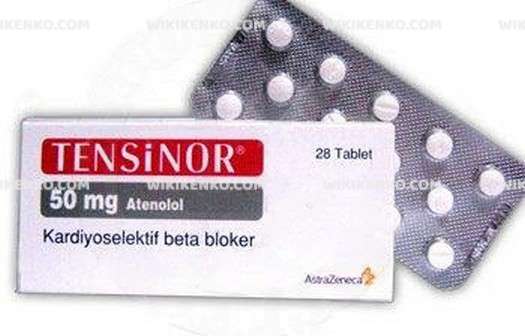
Tensinor is a proprietary oral tablet formulation in which the single active ingredient is atenolol 50 mg. It is manufactured in Turkey and distributed internationally via parallel and mail‑order channels as a prescription‑only medicine. The product belongs to the pharmacotherapeutic group of selective beta‑blocking agents (ATC code commonly C07AB03 for atenolol‑containing products).
Qualitative and Quantitative Composition
Each Tensinor tablet contains 50 mg of atenolol as the active pharmaceutical ingredient, corresponding to the standard oral strength used in many generic atenolol film‑coated tablets. Atenolol is a hydrophilic, second‑generation, beta‑1 selective adrenergic antagonist with minimal intrinsic sympathomimetic activity and no membrane‑stabilising (quinidine‑like) activity at therapeutic doses. Excipients are not uniformly disclosed for Tensinor in English sources, but typical 50 mg atenolol tablets include a compressed core with diluents (e.g. magnesium carbonate, maize starch, lactose), disintegrants, surfactants (sodium lauryl sulfate), and lubricants (magnesium stearate), and a film‑coat containing hypromellose, macrogol, talc and titanium dioxide.
Pharmaceutical Form and General Characteristics
Atenolol 50 mg products are generally supplied as white, round, biconvex, film‑coated tablets that may bear an imprint (e.g. “A50” or manufacturer code) and are often scored to allow division into equal halves. Tensinor 50 mg follows this conventional oral solid dosage form, intended for once‑daily administration. Packaging formats for atenolol 50 mg tablets commonly include PVC/PVdC–aluminium blister packs, which provide sufficient moisture and light protection and typically have a shelf‑life of up to 3 years under standard storage conditions.
Indications and Clinical Uses
Based on atenolol reference labels and regulatory monographs, the following therapeutic indications are recognized:
-
Management of essential hypertension in adults, as monotherapy or in combination with other antihypertensives, particularly thiazide diuretics.
-
Management of chronic stable angina pectoris to reduce frequency and severity of anginal attacks and improve exercise tolerance.
-
Management of certain cardiac arrhythmias, especially supraventricular arrhythmias such as paroxysmal supraventricular tachycardia and prevention of recurrent arrhythmias.
-
Secondary prevention following acute myocardial infarction to reduce cardiovascular mortality and reinfarction risk, typically after initial intravenous beta‑blockade when appropriate.
Non‑labelled but described uses in clinical practice and tertiary sources include migraine prophylaxis, control of hyperadrenergic symptoms (e.g. hyperthyroidism‑associated tachycardia), and attenuation of alcohol withdrawal symptoms, though these may not be part of the formal indication set for all atenolol products.
Indication profile summary table
| Clinical domain | Role of atenolol 50 mg (e.g. Tensinor) | Evidence/label source |
|---|---|---|
| Essential hypertension | First‑line or adjunct oral agent, once daily dosing. | FDA label and SmPCs for atenolol tablets. |
| Chronic stable angina | Symptomatic control; reduction of angina episodes, improved exercise tolerance. | Clinical reviews and reference labels. |
| Supraventricular tachyarrhythmias | Rate control and prevention of recurrence (e.g. PSVT, atrial fibrillation/flutter). | European SmPCs for atenolol film‑coated tablets. |
| Post‑myocardial infarction | Early and long‑term secondary prevention in suitable patients. | Clinical guidelines and FDA/SmPC data. |
| Other off‑label uses | Migraine prophylaxis, autonomic symptom control, alcohol withdrawal adjunct. | Tertiary sources and product information. |
Mechanism of Action and Pharmacodynamics
Atenolol is a second‑generation, cardioselective beta‑1 adrenergic receptor antagonist that primarily blocks beta‑1 receptors in cardiac tissue and, to a lesser extent, in vascular smooth muscle. By competitively antagonising endogenous catecholamines (noradrenaline and adrenaline) at these receptors, it reduces both the chronotropic (heart rate) and inotropic (contractility) response to sympathetic stimulation. The pharmacodynamic consequences include a decrease in cardiac output, reduction in systolic and diastolic blood pressure, and diminished myocardial oxygen demand, which is central to its anti‑anginal effect.
Atenolol’s beta‑1 selectivity is dose‑dependent and can diminish at higher doses, where beta‑2 receptor blockade may become clinically relevant. Unlike some lipophilic beta‑blockers, atenolol is relatively hydrophilic and demonstrates limited penetration across the blood–brain barrier, which is associated with a lower incidence of central nervous system adverse effects such as vivid dreams and depression. In patients with heart failure, atenolol can increase end‑diastolic volume and left ventricular fibre length due to reduced contractility, which may increase myocardial oxygen demand; therefore, initiation and titration must be cautious in this population.
Pharmacokinetics
After oral administration, atenolol is incompletely but consistently absorbed, with an oral bioavailability in the range of approximately 40–60% due to limited gastrointestinal absorption and minimal first‑pass metabolism. Peak plasma concentrations are typically reached within 2–4 hours following ingestion of a 50 mg tablet. The drug exhibits low plasma protein binding (approximately 5–15%), which reduces the potential for displacement interactions with highly protein‑bound agents.
Atenolol undergoes little hepatic metabolism, and about 85–95% of an oral dose is excreted unchanged in the urine, making renal function the principal determinant of systemic clearance. The elimination half‑life in individuals with normal renal function is approximately 6–9 hours, allowing once‑daily dosing for most indications, although some patients with angina or arrhythmias may require divided doses. In renal impairment, particularly when creatinine clearance drops below approximately 35 ml/min, elimination is markedly prolonged and dose adjustments or lengthened dosing intervals are recommended.
Dosage and Administration
General dosing principles
Dosing of Tensinor 50 mg should follow atenolol reference labelling, taking into account indication, patient age, renal function, and concurrent therapy. Tablets are administered orally, preferably at the same time each day, with or without food, and should be swallowed with water; scored tablets may be divided to achieve 25 mg doses where required.
Typical adult oral dosing regimens
-
Hypertension: Initial dose 50 mg once daily, given either as monotherapy or added to a diuretic. If adequate blood pressure control is not achieved within 1–2 weeks, the dose may be increased to 100 mg once daily; higher doses rarely produce additional benefit.
-
Chronic stable angina: Usual dose 50–100 mg daily, either as a single dose or in two divided doses, titrated according to heart rate, symptom relief and exercise tolerance.
-
Cardiac arrhythmias: Maintenance oral doses after initial intravenous therapy commonly range from 50 to 100 mg per day in divided doses, adjusted according to ECG and clinical response.
-
Post‑myocardial infarction: After IV atenolol (total 10 mg) in suitable patients, oral atenolol 50 mg is started 10 minutes after the last IV dose, followed by another 50 mg 12 hours later, then 100 mg once daily or 50 mg twice daily for 6–9 days or until hospital discharge.
Dose adjustments
In patients with significant renal impairment, the total daily dose should be reduced or the dosing interval extended (e.g. 25–50 mg daily or every 48 hours, depending on creatinine clearance). Elderly patients and those with low body weight or concomitant bradycardia‑inducing medications may require lower initial doses and slower titration.
Contraindications
Absolute contraindications to Tensinor (atenolol) include:
-
Sinus bradycardia (clinically significant) and sick sinus syndrome without a pacemaker.
-
Second‑ and third‑degree atrioventricular block in the absence of a functioning pacemaker.
-
Overt cardiac failure and cardiogenic shock.
-
Severe peripheral arterial circulatory disturbances, including advanced Raynaud’s phenomenon, where further reduction in cardiac output may compromise limb perfusion.
-
Untreated pheochromocytoma (beta‑blockade without prior adequate alpha‑blockade may precipitate hypertensive crisis).
-
Known hypersensitivity to atenolol or any component of the formulation.
Atenolol is generally contraindicated in patients with severe hypotension and metabolic acidosis, where further reduction of cardiac output may worsen haemodynamic status.
Warnings and Precautions
Atenolol should be used with caution in patients with controlled heart failure, as negative inotropy may destabilise cardiac function; initiation at low doses with careful monitoring is recommended. In bronchospastic disease (e.g. asthma, COPD), cardioselective beta‑blockers can still precipitate bronchospasm, and atenolol should be used cautiously, ideally at the lowest effective dose and in combination with bronchodilators where necessary.
Abrupt withdrawal may lead to rebound tachycardia, worsening angina, or myocardial infarction in patients with ischaemic heart disease; atenolol should therefore be tapered gradually over 1–2 weeks when discontinuation is required. In diabetic patients, atenolol can mask adrenergic warning symptoms of hypoglycaemia (e.g. tachycardia, tremor) and may prolong hypoglycaemia, necessitating closer glucose monitoring and patient counselling. Atenolol may also mask signs of thyrotoxicosis and should not be discontinued abruptly in patients with hyperthyroidism.
In patients undergoing general anaesthesia, continuation of beta‑blockade is often advisable, but anaesthetists should be informed due to potential interaction with anaesthetic agents leading to bradycardia and hypotension; intravenous atropine or vasopressors may be required.
Adverse Effects
Frequent adverse reactions to atenolol tablets include:
-
Cardiovascular: bradycardia, cold extremities, fatigue, and, less commonly, postural hypotension.
-
Central nervous system: dizziness, headache, asthenia; CNS events are generally less prominent than with more lipophilic beta‑blockers.
-
Gastrointestinal: nausea, diarrhoea, constipation, abdominal discomfort.
Dose‑related bradycardia and fatigue are among the most clinically limiting effects and may necessitate dose reduction or discontinuation.
Less common and rare adverse reactions
Less common reactions include depression, sleep disturbances, nightmares, and confusion. Dermatologic hypersensitivity reactions such as rash, pruritus, urticaria and photosensitivity have been reported, as well as more severe reactions including erythema multiforme, Stevens–Johnson syndrome, toxic epidermal necrolysis, pemphigus and pemphigoid. Rare gastrointestinal adverse events include hepatic dysfunction, hepatitis, cholestatic jaundice, pancreatitis and severe abdominal pain.
Atenolol may precipitate or worsen Raynaud’s phenomenon and intermittent claudication in susceptible individuals by reducing peripheral blood flow. Sexual dysfunction, including reduced libido and impotence, has been reported during chronic beta‑blocker therapy.
Drug Interactions
Concomitant use of atenolol with other agents that depress atrioventricular conduction or reduce heart rate, such as certain calcium‑channel blockers (verapamil, diltiazem), digoxin, or class I antiarrhythmics, may increase the risk of severe bradycardia, heart block and hypotension. Intravenous verapamil in particular should not be given to patients receiving beta‑blockers due to the risk of profound cardiovascular depression.
Drugs that deplete catecholamines (e.g. reserpine) or centrally acting antihypertensives (e.g. clonidine) can potentiate the beta‑blocking effect and increase the risk of hypotension and bradycardia; careful titration and monitoring are required. Non‑steroidal anti‑inflammatory drugs may attenuate the antihypertensive effect of beta‑blockers by inhibiting renal prostaglandin synthesis. Concomitant use with insulin or oral hypoglycaemic agents may enhance hypoglycaemic effects and mask hypoglycaemic warning signs, requiring adjustment of antidiabetic regimens.
Use in Special Populations
In the elderly, reduced renal clearance may increase systemic exposure to atenolol, necessitating lower initial doses and careful titration. In patients with renal impairment, dose reduction or extended dosing intervals are essential, as atenolol is primarily renally excreted and may accumulate, increasing the risk of bradycardia and hypotension.
During pregnancy, atenolol has been associated in some reports with fetal growth restriction when administered in the second and third trimesters, and it crosses the placenta; thus, it should only be used when benefits outweigh risks and alternative agents are unsuitable. Atenolol is excreted into breast milk, and there is potential for significant exposure in nursing infants, particularly neonates and premature infants with immature renal function; monitoring for bradycardia and hypoglycaemia is recommended if used during lactation or alternative therapies should be considered.
Storage and Handling
Atenolol 50 mg tablets typically have a shelf‑life of up to 3 years when stored in the original blister package. No special storage conditions are usually required beyond standard recommendations to keep the product below 25 °C, protected from excessive moisture and light, and out of the reach of children.










Reviews
There are no reviews yet.