
Description
Human normal immunoglobulin (IVIg) therapies are a cornerstone in the management of numerous immune-mediated and immunodeficient conditions. Among these, Ig Vena IV Infusion Solution, available in a 100 ml vial, has become an essential therapeutic product utilized by clinicians worldwide. This extended article offers an in-depth review of its composition, indications, mechanisms, clinical application, comparative advantages, safety profile, administration techniques, and its significance in modern immunoglobulin-based treatment paradigms.
Formulation and Pharmaceutical Characteristics
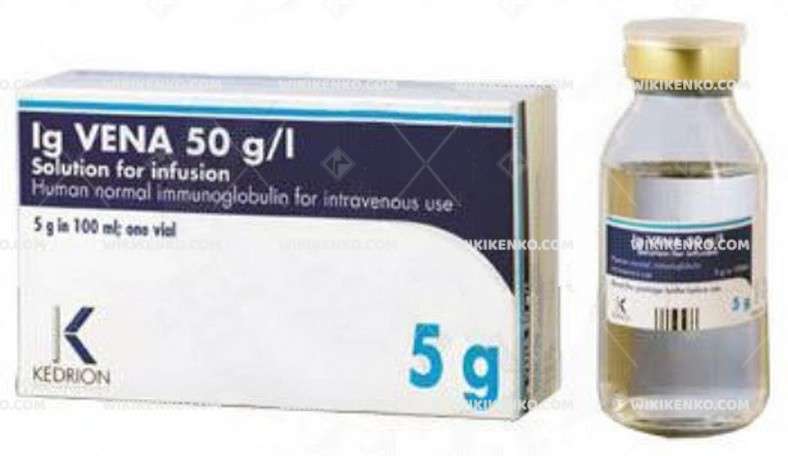
Ig Vena IV Infusion Solution is a sterile, ready-to-use, preservative-free formulation meant for intravenous administration. Each 100 ml vial contains 5 grams of highly purified human normal immunoglobulin, yielding a solution with a concentration of 50 g/L. The immunoglobulin is extracted from pooled human plasma, sourced exclusively from healthy, screened donors, and processed using multiple viral inactivation and removal steps, such as solvent/detergent treatment and nanofiltration.
The preparation is manufactured under stringent Good Manufacturing Practices (GMP) and aligns with all applicable international standards for plasma-derived medicinal products. The core active ingredient, immunoglobulin G (IgG), retains full biological activity and ensures effective immune support by supplementing or modulating immune responses in various patient populations.
Expanded Clinical Indications
Ig Vena is approved for both replacement therapy in immunodeficient individuals and immunomodulatory therapy in autoimmune and inflammatory conditions. Its diverse application portfolio makes it indispensable in both chronic and acute care settings.
Replacement Therapy
This treatment modality is essential for individuals who are unable to produce adequate antibodies on their own. Conditions include:
- Primary immunodeficiency syndromes, such as common variable immunodeficiency (CVID), X-linked agammaglobulinemia, and hyper IgM syndrome
- Secondary immunodeficiencies, particularly in patients with:
- Chronic lymphocytic leukemia (CLL) with frequent infections despite prophylactic antibiotics
- Multiple myeloma patients with suboptimal vaccine response and recurrent infections
- Post-hematopoietic stem cell transplantation (HSCT) patients with delayed immune recovery
- Congenital HIV/AIDS in pediatric populations suffering from persistent bacterial infections
Immunomodulation
Ig Vena is widely employed in several autoimmune and inflammatory disorders due to its powerful immunoregulatory effects, including:
- Primary immune thrombocytopenia (ITP), especially in individuals at risk of bleeding or undergoing surgery
- Guillain-Barré syndrome, characterized by acute demyelination of peripheral nerves
- Chronic Inflammatory Demyelinating Polyradiculoneuropathy (CIDP), a chronic autoimmune neuropathy
- Kawasaki disease, where IVIg reduces the risk of coronary artery aneurysms
Additional Off-Label and Investigational Uses
Clinical evidence and practice-based experience support Ig Vena’s efficacy in several other conditions, including:
- Autoimmune encephalitis
- Systemic lupus erythematosus (SLE), especially with nephritis involvement
- Autoimmune neutropenia
- Severe sepsis or septic shock, used adjunctively with antibiotics
- Myasthenia gravis and stiff-person syndrome in neuromuscular medicine
Mechanism of Action
IVIg products such as Ig Vena exhibit complex and multi-layered mechanisms of action, contributing to their wide therapeutic applicability.
- Immune Replacement: Supplies exogenous IgG to maintain protective antibody levels in patients with impaired or absent immunoglobulin synthesis
- Immunomodulation: Exerts anti-inflammatory effects by downregulating autoreactive B cells, modulating Fc receptor function on phagocytes, inhibiting complement activation, and neutralizing circulating autoantibodies
- Pathogen Neutralization: Contains broad-spectrum antibodies against common pathogens, enhancing host defense during infectious challenges
Emerging research suggests roles in promoting regulatory T cells, influencing dendritic cell behavior, and restoring immune tolerance, making it useful in diseases beyond traditional immunodeficiencies.
Administration, Dosage Regimens, and Infusion Considerations
Ig Vena is strictly administered via intravenous infusion under professional medical supervision. The dosage, frequency, and infusion rate vary depending on the indication, patient condition, and tolerance.
General Administration Protocols
- Initial infusion rate: Begin slowly at 0.3 ml/kg/hour for the first 30 minutes to monitor tolerability
- Rate escalation: Gradually increase up to 4.8 ml/kg/hour or even higher, reaching 6–8 ml/kg/hour in carefully monitored settings
- Replacement therapy: Commonly dosed at 0.2–0.8 g/kg every 3 to 4 weeks to maintain trough IgG levels
- Immunomodulatory therapy: Typically administered at 1 g/kg/day for 1 to 2 days or 400 mg/kg/day over 5 consecutive days, depending on the disease state
Close monitoring of vital signs, hydration status, and renal function is necessary during and after infusion. Premedication with antihistamines or corticosteroids is sometimes employed to reduce infusion-related adverse reactions.
Safety Profile, Side Effects, and Monitoring Guidelines
Ig Vena is generally well-tolerated. However, clinicians must remain vigilant for side effects, particularly in at-risk populations.
Frequently Observed Side Effects
- Transient headache, nausea, chills
- Myalgia, arthralgia, back pain
- Low-grade fever, flushing, fatigue
Potentially Serious Adverse Reactions
- Anaphylactic reactions, especially in IgA-deficient individuals with anti-IgA antibodies
- Aseptic meningitis syndrome (AMS), characterized by neck stiffness, photophobia, and CSF pleocytosis
- Acute renal failure, particularly in patients with predisposing renal conditions or those receiving high doses rapidly
- Thromboembolic complications, such as myocardial infarction, stroke, and deep vein thrombosis, more common in elderly or immobilized patients
Renal function tests, hydration, and vigilance for thrombotic risk are essential. Slower infusion rates and adequate pre-infusion workup help mitigate most risks.
Pediatric and Geriatric Use: Tailored Approaches
Ig Vena has been proven effective and safe in both pediatric and geriatric populations.
- Pediatric Use: Children benefit significantly, especially in cases of congenital immunodeficiencies. Doses are adjusted according to weight, and infusion rates are reduced to minimize discomfort and side effects.
- Geriatric Use: Older adults often present with comorbidities like diabetes, hypertension, or renal impairment. Ig Vena can be safely administered with appropriate monitoring and dose adjustments based on renal function and overall frailty.
Comparative Analysis with Other Immunoglobulin Products
Ig Vena belongs to the IVIg family, offering specific advantages and considerations when compared to subcutaneous immunoglobulin (SCIg) therapies or alternative IVIg brands.
Comparative Attributes
- IVIg (e.g., Ig Vena):
- Fast therapeutic onset due to direct bloodstream delivery
- Effective for acute or severe presentations needing rapid intervention
- Higher potential for systemic side effects
- Requires in-clinic or hospital-based administration infrastructure
- SCIg:
- Preferred for stable, long-term maintenance therapy
- Home-based, self-administered, enhancing patient autonomy
- Lower systemic adverse event profile
- Not ideal for conditions requiring large-volume or high-dose infusions
Clinical Experience
Multiple post-marketing surveillance studies have demonstrated Ig Vena’s favorable tolerability and minimal need for premedication. Healthcare providers rated 99.2% of infusions as “very good” or “good,” even when using higher infusion rates.
Packaging, Storage Instructions, and Product Components
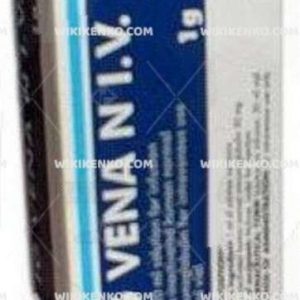
Ig Vena is provided in a 100 ml clear vial containing 5 grams of human normal immunoglobulin. The kit typically includes:
- Sealed sterile vial with a tamper-proof rubber stopper
- Blister packaging ensuring integrity and sterility
- Disposable administration set, including infusion tubing and needle
- Multilingual patient and physician information leaflet
Storage conditions include keeping the product at room temperature (25°C max) and shielding it from direct sunlight. Once opened, the vial must be used immediately to preserve sterility.
Summary Table: Comprehensive Overview of Ig Vena IV Infusion Solution
| Feature | Description |
|---|---|
| Composition | 5 grams of human IgG per 100 ml (50 g/L concentration) |
| Approved Uses | PID, SID, ITP, CIDP, GBS, Kawasaki disease, and other autoimmune/inflammatory conditions |
| Mechanism | Immune support, modulation of immune activity, neutralization of pathogens |
| Dosage Guidelines | 0.2–1 g/kg based on condition; regular or intensive dosing schemes |
| Administration | IV infusion by trained personnel; dose and rate based on tolerance and indication |
| Common Reactions | Nausea, headache, chills, fever, flushing, arthralgia |
| Serious Risks | Anaphylaxis, renal dysfunction, meningitis, thromboembolism |
| Age Considerations | Safe for use in all ages with adjustments for pediatric and geriatric groups |
| Comparative Notes | IVIg offers faster action but more systemic reactions than SCIg |
| Packaging | 100 ml vial with needle, tubing, instructions, and protective casing |
Concluding Insights
Ig Vena IV Infusion Solution continues to hold a critical position in the treatment of patients with immune-related conditions. Its robust clinical track record, flexible dosing protocols, high tolerability, and broad spectrum of action make it an irreplaceable tool in both hospital and outpatient care settings. With vigilant administration and individualized patient monitoring, Ig Vena offers reliable, effective, and safe immunoglobulin therapy across various medical disciplines.











Reviews
There are no reviews yet.