
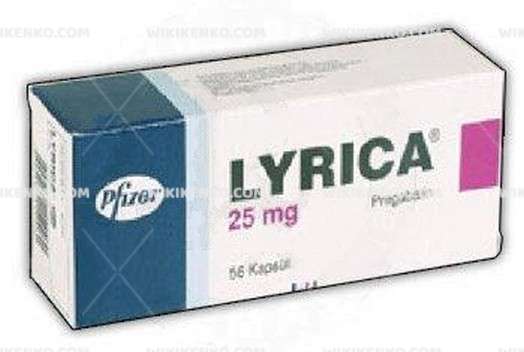
Description
Pharmaceutical Composition and Qualitative–Quantitative Characteristics
Each Lyrica 25 mg hard capsule contains 25 mg of pregabalin, a structural analogue of gamma‑aminobutyric acid (GABA) with distinct pharmacological activity. Excipients typically include lactose monohydrate, maize starch, talc, gelatin, titanium dioxide, sodium lauryl sulfate, and colloidal anhydrous silica, with black printing ink used for capsule markings. Capsules are for oral administration and are usually presented as hard gelatin shells containing a white to off‑white powder.
Mechanism of Action
Pregabalin binds with high affinity to the α2‑δ subunit of voltage‑gated calcium channels in the central nervous system. This binding reduces calcium influx into presynaptic neurons during depolarization, leading to decreased release of excitatory neurotransmitters such as glutamate, noradrenaline, and substance P. The net effect is attenuation of neuronal hyperexcitability and synaptic transmission in pain and seizure pathways, with additional anxiolytic activity demonstrated in generalized anxiety disorder.
Pharmacokinetics
Absorption
Pregabalin is rapidly absorbed following oral administration, with peak plasma concentrations typically attained within approximately 1 hour in the fasted state. Oral bioavailability is high (≥ 90%) and largely independent of dose across the therapeutic range. Food slightly reduces the rate but not the extent of absorption, resulting in a delayed Tmax and modest reduction in Cmax without clinically relevant impact on overall exposure.
Distribution
Pregabalin exhibits low plasma protein binding and is widely distributed in body water. The apparent volume of distribution is consistent with distribution into extravascular tissues in addition to plasma.
Metabolism
Pregabalin undergoes negligible hepatic metabolism, with the majority of the administered dose recovered unchanged in urine. Minor metabolites represent only a small fraction of total systemic exposure and are not considered pharmacologically significant.
Elimination
Pregabalin is eliminated primarily via renal excretion as unchanged drug, with a terminal elimination half‑life of approximately 6 hours in subjects with normal renal function. Systemic clearance is proportional to creatinine clearance, necessitating dosage adjustment in patients with impaired renal function and in those receiving haemodialysis. Haemodialysis effectively removes pregabalin from plasma, with about 50% of circulating drug eliminated during a 4‑hour dialysis session.
Indications and Therapeutic Uses
Neuropathic Pain
Lyrica is indicated for the treatment of peripheral and central neuropathic pain in adults, including painful diabetic peripheral neuropathy, post‑herpetic neuralgia, and neuropathic pain following spinal cord injury. Randomized controlled trials up to 12–13 weeks demonstrated clinically meaningful reductions in pain scores, with some patients achieving ≥ 50% improvement from baseline.
Epilepsy
Pregabalin is used as adjunctive therapy in adults with partial‑onset seizures, with or without secondary generalization. Clinical trials have shown statistically significant reductions in seizure frequency when pregabalin is added to existing antiepileptic regimens.
Generalized Anxiety Disorder (GAD)
In several controlled studies of 4–8 weeks’ duration, pregabalin has demonstrated efficacy in reducing Hamilton Anxiety Rating Scale (HAM‑A) total scores in adults with generalized anxiety disorder. A higher proportion of patients achieved at least 50% improvement compared with placebo, supporting its use as a pharmacological option for GAD in certain regions.
Dosage and Administration
General Dosing Principles
Lyrica capsules are administered orally, usually two or three times daily, with or without food. The specific starting dose, titration schedule, and maximum dose depend on the indication, patient response, and renal function.
Renal Impairment and Haemodialysis
Because pregabalin clearance is directly related to creatinine clearance, individualized dosing adjustments are required in patients with reduced renal function. For patients on haemodialysis, a supplemental pregabalin dose is typically administered after each 4‑hour dialysis session to maintain therapeutic exposure.
Discontinuation
Treatment discontinuation should occur gradually over at least 1 week to minimize the risk of withdrawal‑like symptoms and clinical deterioration. Abrupt cessation has been associated with insomnia, headache, nausea, anxiety, diarrhoea, flu‑like symptoms, and increased seizure risk in patients with epilepsy.
Clinical Efficacy Overview
Neuropathic Pain Trials
In controlled trials of peripheral neuropathic pain, approximately 35% of pregabalin‑treated patients achieved ≥ 50% reduction in pain intensity compared with 18% in the placebo group. The onset of analgesic effect was often observed by Week 1 and maintained throughout the treatment period.
Generalized Anxiety Disorder Trials
In 4–8‑week studies in GAD, about 52% of pregabalin‑treated patients and 38% of placebo‑treated patients achieved at least a 50% improvement in HAM‑A total score. These data support a clinically meaningful anxiolytic effect in appropriately selected patients.
Safety Profile and Adverse Reactions
The safety profile of pregabalin is characterized predominantly by dose‑dependent central nervous system and gastrointestinal effects. Most adverse reactions are mild to moderate in intensity and occur early in therapy, with some resolving during continued treatment.
Common Adverse Reactions
Typical adverse reactions (very common or common) include dizziness, somnolence, headache, blurred vision, weight gain, increased appetite, dry mouth, peripheral oedema, and difficulty with concentration or attention. These effects may increase the risk of accidental injury (e.g., falls), particularly in elderly patients.
Vision‑Related Effects
A higher proportion of pregabalin‑treated patients report blurred vision compared with placebo, although this often resolves with ongoing treatment or dose adjustment. Formal ophthalmologic assessments have identified small increases in the incidence of reduced visual acuity and visual field changes relative to placebo, while funduscopic changes appear slightly more frequent in control groups.
Withdrawal and Dependence‑Related Phenomena
After discontinuation of short‑ and long‑term therapy, patients have reported withdrawal‑type symptoms including insomnia, headache, nausea, anxiety, diarrhoea, flu‑like symptoms, nervousness, depression, pain, and, less commonly, seizures. Although pregabalin is not a classic benzodiazepine‑like sedative, caution is advised in patients with a history of substance use disorder due to reported cases of misuse and dependence in post‑marketing surveillance.
Selected Adverse Reactions in Tabular Form
The following table illustrates representative adverse reactions frequently associated with pregabalin, based on clinical trial and post‑marketing data.
| System/Category | Adverse reaction (examples) | Typical frequency category* |
|---|---|---|
| Nervous system disorders | Dizziness, somnolence, headache, tremor | Very common/common |
| Eye disorders | Blurred vision, visual acuity reduction, visual field changes | Common |
| Gastrointestinal disorders | Dry mouth, nausea, constipation | Common |
| Metabolism and nutrition | Increased appetite, weight gain | Common |
| General disorders | Fatigue, peripheral oedema | Common |
| Psychiatric disorders | Insomnia, euphoria, irritability, libido changes | Common/uncommon |
*Frequency categories may differ slightly between regulatory documents but generally follow standard terminology.
Contraindications and Precautions
Pregabalin is contraindicated in patients with known hypersensitivity to pregabalin or any capsule excipients. Precaution is warranted in patients with renal impairment, heart failure, a history of substance misuse, or those at risk of suicidal ideation, as antiepileptics have been associated with increased suicidal thoughts and behaviour in some individuals.
Patients should be counselled regarding potential dizziness and somnolence and advised to avoid driving or operating machinery until they understand how the medicine affects them. Co‑administration with other CNS depressants (e.g., opioids, benzodiazepines, alcohol) may enhance sedative and respiratory depressive effects and should be approached cautiously.
Drug Interactions
Pregabalin has a low potential for pharmacokinetic interactions, as it is not significantly bound to plasma proteins, is not metabolized by cytochrome P450 enzymes, and does not inhibit or induce major hepatic isoenzymes. Nevertheless, additive pharmacodynamic effects can occur when combined with other CNS depressants, increasing the risk of sedation, dizziness, and respiratory depression.
Use in Special Populations
Elderly
Dose adjustment may be required due to age‑related decline in renal function, and heightened sensitivity to neurological adverse effects such as dizziness and somnolence. Increased vigilance for falls and cognitive effects is recommended in this population.
Pregnancy and Lactation
Data on the use of pregabalin during pregnancy are limited, and animal studies have demonstrated reproductive toxicity at exposures above the human therapeutic range. Consequently, pregabalin should be used during pregnancy only if the potential benefit justifies the potential risk to the fetus, and women of childbearing potential should employ effective contraception. Pregabalin is excreted into breast milk, and a decision must be made whether to discontinue breast‑feeding or discontinue the medicine, considering the importance of therapy to the mother.
Pharmaceutical and Biopharmaceutical Characteristics
Formulation Excipients
Typical excipients in Lyrica capsules and their functional roles are summarized below.
| Component | Functional role |
|---|---|
| Lactose monohydrate | Filler/diluent in capsule contents |
| Maize starch | Disintegrant and filler |
| Purified talc | Glidant, improves powder flow |
| Gelatin | Capsule shell matrix |
| Titanium dioxide | Opacifier and whitening agent |
| Sodium lauryl sulfate | Surfactant in capsule shell |
| Colloidal anhydrous silica | Glidant/anti‑caking agent |
| Printing ink (black) | Capsule identification markings |
Stability and Storage
Regulatory product information generally recommends storing pregabalin capsules below specified temperatures (often 25–30 °C), protected from moisture, in the original packaging, and out of the reach of children. Capsules should not be used beyond the expiry date printed on the package.
Regulatory and Branding Considerations
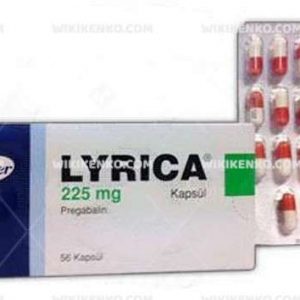
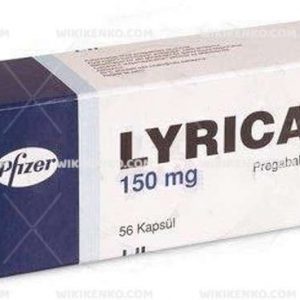
Lyrica is a proprietary brand name for pregabalin that has been authorized in multiple territories, including the European Union and other regions, with 25 mg capsules registered as part of a broader dose range. Country‑specific presentations and pack sizes may differ, and local prescribing information should be consulted for national regulatory details, including any specific indications or restrictions applicable in Turkey or other markets.
















Mustafa –
Lyrica 25mg 56tab , 500 packs required
Medical Guidance Center –
Hello Mustafa, this is WikiKenko.
Lyrica is a brand name for the drug pregabalin. It is an anti-epileptic drug that is also used to treat pain caused by fibromyalgia, nerve pain in people with diabetes (diabetic neuropathy), herpes zoster (post-herpetic neuralgia), or spinal cord injury. Lyrica can cause a severe allergic reaction and some people have thoughts about suicide while taking it. You should not stop using this medicine suddenly, even if you feel fine.
You will need to contact a licensed pharmacy or medical supplier to purchase Lyrica. It is important to note that Lyrica is a prescription medication and you will need a valid prescription from a doctor to obtain it.
It is important to consult with a doctor before taking this medication to make sure it is safe for you. Common side effects of Lyrica may include dizziness, drowsiness, swelling in your hands and feet, trouble concentrating, increased appetite, weight gain, dry mouth, or blurred vision. It is important to consult with a doctor if you experience any side effects while taking this medication.