
Description
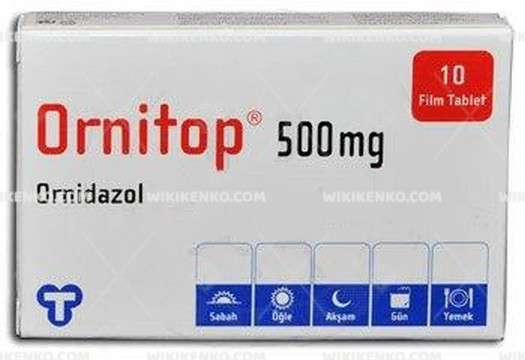
Ornitop Film Tablet 500 Mg is an antimicrobial medication containing ornidazole as its active pharmaceutical ingredient. This comprehensive overview examines the pharmacological properties, therapeutic applications, dosage regimens, and safety considerations associated with this medication. Ornidazole belongs to the 5-nitroimidazole derivative class and possesses potent antibacterial and antiprotozoal properties, making it effective against a range of infections caused by susceptible microorganisms.
Composition and Classification
Ornitop Film Tablet contains ornidazole as its active ingredient, specifically 500 mg per film-coated tablet. Ornidazole is classified under the Anatomical Therapeutic Chemical (ATC) classification system as P01AB03, belonging to the group of antiparasitic products, specifically antiprotozoals. This medication is manufactured by Toprak Pharmaceuticals in Turkey and is distributed as film-coated tablets in packages typically containing 10 tablets.
Mechanism of Action
Ornidazole exerts its antimicrobial action through a specific biochemical pathway. As a 5-nitroimidazole derivative, it functions by being reduced to form cytotoxic products that interact with microbial DNA. This interaction disrupts the helical structure of the DNA, subsequently inhibiting protein synthesis and ultimately leading to the death of susceptible microorganisms. This mechanism enables ornidazole to be particularly effective against anaerobic bacteria and several types of parasites, including Giardia intestinalis, Entamoeba histolytica, and Trichomonas vaginalis.
Therapeutic Uses
Genitourinary Infections
Ornitop Film Tablet is indicated for the treatment of genitourinary infections caused by Trichomonas vaginalis in both men and women1. The medication effectively eliminates these parasites from the urogenital tract, providing relief from symptoms and preventing further complications. For acute trichomoniasis, single-dose therapy may be sufficient, while chronic cases might require a longer treatment course.
Amebiasis
Amebiasis, caused by Entamoeba histolytica, represents another key indication for Ornitop. The medication is effective against all forms of intestinal infections due to this parasite, including amoebic dysentery. Additionally, it demonstrates efficacy in treating extraintestinal manifestations of amebiasis, most notably amoebic liver abscess. The comprehensive antimicrobial activity against Entamoeba histolytica makes Ornitop a valuable therapeutic option for managing both intestinal and systemic amebic infections.
Giardiasis
Giardiasis, an intestinal infection caused by Giardia lamblia (also known as Giardia intestinalis), responds well to treatment with Ornitop Film Tablet. The medication effectively eliminates the parasite from the intestinal tract, relieving symptoms such as diarrhea, abdominal pain, and malabsorption associated with this condition. The therapeutic efficacy against Giardia makes ornidazole an important option in managing this common parasitic infection.
Anaerobic Bacterial Infections
Beyond its antiprotozoal properties, Ornitop demonstrates significant activity against anaerobic bacteria. It is indicated for treating infections such as septicemia, meningitis, peritonitis, postoperative wound infections, puerperal sepsis, septic abortion, and endometritis when these conditions involve susceptible anaerobic bacteria. Ornitop is also used prophylactically before surgical interventions, particularly those involving the colon and gynecological operations, to prevent postoperative anaerobic infections.
Pharmacokinetics
Absorption
Following oral administration, ornidazole is rapidly and almost completely absorbed from the gastrointestinal tract, with a bioavailability exceeding 90%. Peak plasma concentrations are typically reached within 2-3 hours after ingestion. Food does not affect the extent of absorption but may influence the rate, making it advisable to take the medication after meals for optimal absorption and to minimize gastrointestinal discomfort.
Distribution
Ornidazole is widely distributed throughout the body, penetrating effectively into various tissues and fluids, including the cerebrospinal fluid. The volume of distribution is approximately 0.9 L/kg, and plasma protein binding is relatively low at about 11-13%. This favorable distribution profile enables ornidazole to reach effective concentrations at various infection sites, including the central nervous system.
Metabolism
The metabolism of ornidazole primarily occurs in the liver, where it is converted to 2-hydroxymethyl and α-hydroxymethyl metabolites. These metabolites possess less antimicrobial activity than the parent compound. The moderate hepatic metabolism contributes to the relatively long half-life of ornidazole compared to other nitroimidazole derivatives.
Elimination
Ornidazole has an elimination half-life of approximately 12-14 hours, which is considerably longer than some other nitroimidazole derivatives. This extended half-life represents a significant clinical advantage, allowing for less frequent dosing schedules. The drug is primarily excreted through the kidneys, with approximately 63% of the dose appearing in the urine, mostly as metabolites with less than 4% as unchanged drug. About 22% of metabolites are eliminated through feces.
Dosage and Administration
The dosage of Ornitop Film Tablet varies according to the specific infection being treated:
Trichomoniasis
-
Acute cases: 1,500 mg as a single dose in the evening (3 tablets)
-
Chronic cases: 500 mg twice daily for 5 days
Amebiasis
-
Amoebic dysentery: 1,500 mg once daily in the evening for 3 days, or 1,000 mg twice daily for 3 days in patients weighing >60 kg
-
Other forms of amoebiasis: 500 mg twice daily for 5-10 days
Giardiasis
-
1,500 mg as a single daily dose in the evening for 1-2 days
Prophylaxis of anaerobic infections during surgery
-
1,500 mg 12 hours before surgery, followed by 500 mg every 12 hours for 3-5 days postoperatively
Pediatric Dosage
For children, dosages are generally weight-based:
Trichomoniasis
-
25 mg/kg as a single dose
Amebiasis
-
Children ≤35 kg: 25 mg/kg once daily for 5-10 days or 40 mg/kg once daily for 3 days
-
Children >35 kg: Same as adult dose
Giardiasis
-
Children ≤35 kg: 40 mg/kg as a single daily dose for 1-2 days
-
Children >35 kg: Same as adult dose
The medication should generally be taken after meals to minimize gastrointestinal side effects, and it is important to complete the full prescribed course of treatment, even if symptoms improve before completion.
Contraindications
Ornitop Film Tablet is contraindicated in individuals with hypersensitivity to ornidazole or any other nitroimidazole derivatives. Patients with a history of allergic reactions to similar medications such as metronidazole or tinidazole should avoid using this medication. Additionally, ornidazole is contraindicated during the first trimester of pregnancy due to potential risks to the developing fetus.
Special Warnings and Precautions
Neurological Considerations
Caution is advised when administering Ornitop to patients with diseases of the central nervous system, such as epilepsy or multiple sclerosis. The medication may exacerbate these conditions. If neurological symptoms like peripheral neuropathy, ataxia, vertigo, or confusion develop during treatment, discontinuation of the medication should be considered.
Hepatic and Renal Function
While dose adjustments are generally not required for patients with renal impairment, those with marked hepatic dysfunction may require modified dosing schedules to prevent drug accumulation. In patients with severe liver disease, the dosing interval should be doubled. Regular monitoring of liver function parameters is advisable during prolonged therapy.
Alcohol Interaction
Although ornidazole does not typically cause a disulfiram-like reaction with alcohol (unlike some other nitroimidazoles), concurrent consumption of alcohol during treatment should be avoided. Patients should be advised to abstain from alcohol during treatment and for at least three days after completing the course of ornidazole to prevent potential interactions and gastrointestinal discomfort.
Blood Disorders
Leukocyte counts should be monitored before and after initiating therapy, particularly in patients with a history of blood disorders or those requiring repeat courses of treatment. Ornidazole therapy may occasionally be associated with leukopenia, which generally resolves upon discontinuation of the medication.
Drug Interactions
Ornidazole may interact with several medications, potentially altering their effectiveness or increasing the risk of adverse effects:
-
Oral anticoagulants: Ornidazole potentiates the effect of coumarin-type oral anticoagulants, necessitating appropriate dose adjustments of these agents during concomitant therapy.
-
Neuromuscular blocking agents: The medication prolongs the muscle-relaxant effect of vecuronium bromide, which should be considered when these agents are used concurrently, particularly during surgical procedures.
-
Alcohol: Concurrent use of alcohol should be avoided as mentioned in the precautions section, although ornidazole does not typically produce the disulfiram-like reaction seen with some other nitroimidazoles.
Use During Pregnancy and Breastfeeding
Pregnancy
Ornidazole should not be prescribed during early pregnancy except when absolutely necessary. While animal studies have not revealed evidence of teratogenic or fetotoxic effects, controlled studies in pregnant women are limited. Use during the second and third trimesters requires careful consideration of the potential benefits versus risks to the mother and fetus.
Breastfeeding
Limited data exist regarding the excretion of ornidazole into breast milk. In one study, ornidazole was detected in colostrum and milk after perioperative administration, with peak levels occurring 27-33 hours after delivery. The amount in milk appears to be low, but potential effects on breastfed infants have not been thoroughly evaluated. Caution is advised, and temporary interruption of breastfeeding might be considered after ornidazole administration, particularly for single high-dose regimens.
Side Effects
Ornitop Film Tablet is generally well-tolerated, but like all medications, it may cause adverse effects in some patients. The most commonly reported side effects include:
Gastrointestinal Effects
Gastrointestinal disturbances represent the most common adverse reactions, occurring in approximately 10% or fewer patients. These include bitter or metallic taste in the mouth, nausea, vomiting, epigastric discomfort, diarrhea, dry mouth, and anorexia. These effects are generally mild and transient, often resolving without intervention or with symptomatic management.
Neurological Effects
Neurological side effects may include headache, dizziness, somnolence, fatigue, and weakness. In rare cases, more severe manifestations such as peripheral neuropathy, ataxia, or confusion may occur, particularly with prolonged therapy or high doses. Patients experiencing significant neurological symptoms should seek medical attention promptly.
Dermatological Effects
Skin reactions, including pruritus and allergic manifestations, have been reported in some patients receiving ornidazole. These reactions are generally mild and resolve upon discontinuation of the medication. However, severe hypersensitivity reactions require immediate medical intervention.
Hematological Effects
Leukopenia has been described occasionally with ornidazole therapy, highlighting the importance of monitoring blood counts in patients receiving prolonged treatment or those with pre-existing hematological disorders.
Hepatic Effects
Rare cases of hepatotoxicity associated with ornidazole have been reported, potentially manifesting as elevated liver enzymes. In a documented case, a patient experienced recurrent prolonged hepatotoxicity following ornidazole use, suggesting that careful monitoring may be necessary in some individuals, especially those with pre-existing liver conditions or previous adverse reactions to nitroimidazoles.
Overdosage
In cases of ornidazole overdose, symptoms such as somnolence, headache, and gastrointestinal disturbances (nausea and vomiting) may occur in a more severe form than typically observed with therapeutic doses. No specific antidote exists for ornidazole overdose. Management is primarily supportive, focusing on symptom control and maintaining vital functions. The administration of diazepam is recommended if seizures occur.
Storage Conditions
Ornitop Film Tablet should be stored at a temperature not exceeding 30°C, protected from moisture and light. The medication should be kept out of reach of children and maintained in its original packaging until ready for use. Adherence to these storage conditions helps preserve the stability and efficacy of the medication.
Summary Table
| Parameter | Information |
|---|---|
| Active Ingredient | Ornidazole 500 mg |
| Therapeutic Class | Antiprotozoal and antibacterial (nitroimidazole derivative) |
| ATC Classification | P01AB03 |
| Indications | – Trichomoniasis – Amebiasis (intestinal and extraintestinal) – Giardiasis – Anaerobic bacterial infections – Surgical prophylaxis |
| Adult Dosage | – Trichomoniasis: 1,500 mg single dose or 500 mg twice daily for 5 days – Amebiasis: 1,500 mg daily for 3 days or 500 mg twice daily for 5-10 days – Giardiasis: 1,500 mg daily for 1-2 days – Surgical prophylaxis: 1,500 mg pre-surgery, then 500 mg twice daily for 3-5 days |
| Pediatric Dosage | – Based on weight: 25-40 mg/kg/day depending on indication |
| Administration | Orally after meals |
| Common Side Effects | – Gastrointestinal: Nausea, vomiting, metallic taste, epigastric pain – Neurological: Dizziness, headache, somnolence, fatigue |
| Serious Side Effects | – Peripheral neuropathy – Hepatotoxicity – Leukopenia – Severe allergic reactions |
| Contraindications | – Hypersensitivity to ornidazole or other nitroimidazoles – First trimester of pregnancy |
| Special Precautions | – CNS disorders (epilepsy, multiple sclerosis) – Severe hepatic impairment – Alcohol consumption (avoid during and for 3 days after treatment) – History of blood disorders |
| Drug Interactions | – Oral anticoagulants (increased effect) – Vecuronium bromide (prolonged muscle relaxation) – Alcohol (possible discomfort) |
| Pregnancy/Breastfeeding | – Contraindicated in first trimester – Use with caution in second and third trimesters – Caution during breastfeeding, consider temporary interruption |
| Half-life | 12-14 hours |
| Storage | Below 30°C, protected from moisture and light |
Conclusion
Ornitop Film Tablet 500 Mg represents an effective therapeutic option for various protozoal and anaerobic bacterial infections. Its broad spectrum of activity against Trichomonas vaginalis, Entamoeba histolytica, Giardia lamblia, and several anaerobic bacteria, coupled with its favorable pharmacokinetic profile, makes it valuable in both treatment and prophylactic regimens. The relatively long elimination half-life of ornidazole permits less frequent dosing compared to some other antimicrobials, potentially enhancing patient compliance.
While generally well-tolerated, healthcare providers should remain vigilant for potential adverse effects, particularly in patients with pre-existing neurological conditions or hepatic dysfunction. Appropriate patient counseling regarding alcohol avoidance, potential side effects, and the importance of completing the full treatment course is essential for optimizing therapeutic outcomes. As with all antimicrobials, ornidazole should be used judiciously and only when indicated to minimize the risk of resistance development and adverse effects.











Reviews
There are no reviews yet.