
Description
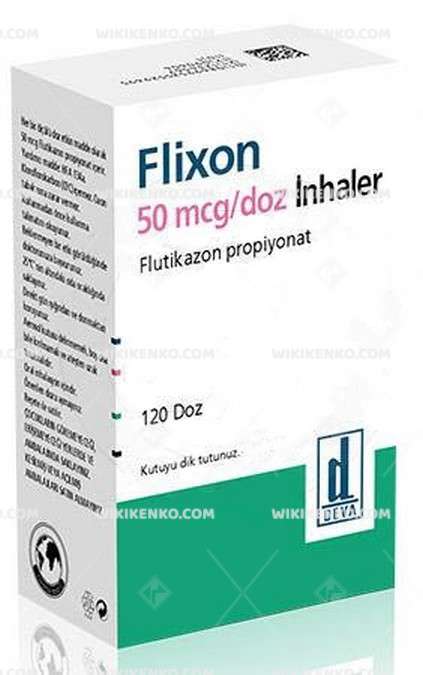
Flixon Inhaler 50 Mcg is a preventative medication used in the management of asthma and respiratory conditions. This comprehensive guide explores its composition, therapeutic applications, administration protocols, and safety considerations to provide healthcare professionals and patients with essential information about this medication.
Composition and Formulation
Flixon Inhaler 50 Mcg contains fluticasone propionate as its active pharmaceutical ingredient, which belongs to the corticosteroid class of medications. Each actuation (puff) delivers a precisely measured dose of 50 micrograms of fluticasone propionate directly to the airways. The medication is formulated as a pressurized inhalation suspension delivered through a metered-dose inhaler. Notably, Flixon uses HFA 134a (hydrofluoroalkane) as its propellant, making it environmentally friendly as it does not contain chlorofluorocarbons (CFCs) that damage the ozone layer.
The inhaler device is designed for oral inhalation use only and typically contains 120 actuations per canister. The formulation is specifically developed to ensure optimal particle size distribution for effective delivery to the small and medium airways where inflammation often occurs in asthmatic conditions.
Therapeutic Indications
Asthma Management
Flixon Inhaler 50 Mcg is primarily indicated for the prophylactic management of asthma in adults and children. It functions as a “preventer” medication rather than a “reliever” for acute asthma attacks. The medication is particularly valuable in treating persistent asthma where regular anti-inflammatory therapy is required. Clinical studies have demonstrated significant improvements in lung function parameters, reduction in asthma symptoms, and decreased reliance on rescue medications when patients use Flixon consistently.
The therapeutic value of Flixon extends across varying degrees of asthma severity, although dosage adjustments may be necessary depending on individual patient response and disease severity. For patients with mild to moderate asthma, Flixon 50 Mcg represents an appropriate starting dose that can be subsequently titrated according to clinical response.
Chronic Obstructive Pulmonary Disease (COPD)
While Flixon contains fluticasone propionate, which has applications in COPD management, it is important to note that Flixon is not recommended for use as monotherapy in COPD patients. According to clinical guidance, it should be used as part of a comprehensive treatment regimen for COPD patients experiencing recurrent exacerbations despite optimal bronchodilator therapy.
Mechanism of Action
Fluticasone propionate in Flixon Inhaler works through potent anti-inflammatory effects in the airways. When inhaled, it acts directly on the airway walls to suppress multiple inflammatory processes involved in asthma pathophysiology. Specifically, it reduces the production and release of inflammatory mediators, inhibits the recruitment of inflammatory cells to the airways, and decreases microvascular permeability.
By reducing airway inflammation, Flixon helps prevent the symptoms of respiratory conditions from occurring rather than treating symptoms after they develop. This preventative action results in decreased airway hyperresponsiveness, reduced mucus production, and improved respiratory function over time. The medication demonstrates significant receptor affinity and topical activity, allowing for targeted action in the respiratory tract while minimizing systemic effects.
Dosage and Administration
Recommended Dosage
The dosage of Flixon Inhaler varies based on age and the severity of the respiratory condition:
For Adults and Adolescents Over 16 Years:
-
Mild asthma: 100-250 micrograms twice daily (1-2 puffs twice daily of Flixon 50 Mcg)
-
Moderate asthma: 250-500 micrograms twice daily
-
Severe asthma: 500-1000 micrograms twice daily
For Children Aged 4 Years and Above:
-
The recommended dose is 50-200 micrograms twice daily
-
Many children’s asthma can be well controlled using 50-100 micrograms twice daily
For Children Aged 1-4 Years:
-
100 micrograms twice daily (2 puffs of Flixon 50 Mcg twice daily)
The therapeutic effect of Flixon typically begins within 4-7 days of regular use. However, patients who have not previously used inhaled corticosteroids may notice some improvement within 24 hours of initiating treatment.
Administration Technique
Proper administration is crucial for maximizing therapeutic benefit. The following steps should be followed:
-
Remove the mouthpiece cap by gently squeezing the sides
-
Inspect the inhaler inside and out to ensure there are no foreign objects
-
Shake the inhaler vigorously to ensure proper mixing of the contents
-
Hold the inhaler upright with the thumb at the base of the mouthpiece
-
Breathe out gently, then place the mouthpiece between teeth without biting
-
Start to inhale slowly and deeply, simultaneously pressing down on the top of the inhaler to release the medication
-
Hold breath for as long as comfortable, then remove the inhaler
-
If additional doses are prescribed, wait approximately 30 seconds before repeating the process
-
Rinse mouth with water after use to reduce the risk of oral candidiasis
Patients who find it difficult to coordinate the actuation of the inhaler with inhalation may benefit from using a spacer device such as the Volumatic spacer.
Precautions and Contraindications
Contraindications
Flixon Inhaler is contraindicated in patients with known hypersensitivity to fluticasone propionate or any of the excipients in the formulation. Patients should inform their healthcare provider about any allergies before starting treatment with Flixon.
Special Population Considerations
Pregnancy and Breastfeeding: The safety profile of fluticasone propionate during pregnancy and lactation should be carefully evaluated. The benefits of controlling asthma must be weighed against potential risks to the fetus or infant.
Hepatic or Renal Impairment: No dose adjustment is necessary for patients with hepatic or renal impairment.
Elderly Patients: No special dosage adjustments are required for elderly patients.
Important Warnings
-
Flixon should not be used to relieve acute asthma attacks; a fast-acting bronchodilator should be used instead
-
If a patient experiences sudden worsening of symptoms or increased use of rescue medication, they should seek medical attention
-
Abrupt discontinuation of Flixon therapy should be avoided
-
Patients transferring from oral steroids to Flixon require special attention due to potential adrenal suppression
-
Regular monitoring of height in children receiving long-term treatment is recommended due to potential growth effects
-
Patients with tuberculosis, fungal, bacterial, or viral infections should use Flixon with caution
Side Effects
Common Side Effects
Flixon Inhaler may cause several side effects, though not all patients will experience them. Common side effects include:
-
Hoarseness or changes in voice
-
Throat irritation
-
Headache
-
Oral candidiasis (thrush)
-
Nosebleeds when used as a nasal spray
-
Sinus pain
-
Upper respiratory tract infections
Rare but Serious Side Effects
Some side effects require immediate medical attention:
-
Allergic reactions including skin rash, itching, hives, swelling of face or throat
-
Severe breathing difficulties
-
Wheezing after using the inhaler
-
Signs of adrenal suppression
-
Eye problems like cataracts or glaucoma with long-term use
-
Reduction in bone mineral density with prolonged use
Using a spacer device and rinsing the mouth after inhalation can help reduce local side effects such as oral candidiasis and hoarseness.
Monitoring and Follow-up
Patients using Flixon Inhaler should undergo regular clinical assessment to evaluate symptom control, lung function, and potential adverse effects. The dose should be titrated to the lowest effective dose that maintains adequate symptom control. Particular attention should be paid to:
-
Growth monitoring in pediatric patients
-
Signs of adrenal suppression in patients previously on oral corticosteroids
-
Periodic eye examinations for patients on long-term therapy
-
Bone mineral density assessments for patients at risk of osteoporosis
Healthcare providers should review the patient’s inhaler technique regularly to ensure optimal medication delivery and therapeutic benefit.
Drug Interactions
Fluticasone propionate undergoes hepatic metabolism via the CYP3A4 enzyme system. Consequently, concurrent administration with CYP3A4 inhibitors (such as ritonavir, ketoconazole, and other azole antifungals) may significantly increase systemic fluticasone exposure, potentially leading to systemic corticosteroid effects including Cushing’s syndrome and adrenal suppression.
Patients should inform their healthcare providers about all medications they are taking, including prescription drugs, over-the-counter medications, and herbal supplements, to prevent potentially harmful interactions.
Summary Table
| Category | Information |
|---|---|
| Active Ingredient | Fluticasone propionate 50 micrograms per actuation |
| Pharmaceutical Form | Pressurized inhalation suspension (aerosol) |
| Therapeutic Class | Inhaled corticosteroid |
| Indications | Prophylactic management of asthma; Reduction of symptoms in COPD (as part of combination therapy) |
| Not Indicated For | Relief of acute asthma attacks; Monotherapy in COPD |
| Dosage – Adults & Adolescents (>16 years) | Mild asthma: 100-250 mcg twice daily Moderate asthma: 250-500 mcg twice daily Severe asthma: 500-1000 mcg twice daily |
| Dosage – Children (4+ years) | 50-200 mcg twice daily |
| Dosage – Young Children (1-4 years) | 100 mcg twice daily |
| Time to Effect | 4-7 days (may see improvement within 24 hours in steroid-naïve patients) |
| Common Side Effects | Hoarseness, throat irritation, oral thrush, headache |
| Serious Side Effects | Allergic reactions, adrenal suppression, growth effects in children, increased risk of infections |
| Contraindications | Hypersensitivity to fluticasone or excipients |
| Storage Conditions | Store below 30°C; Protect from frost and direct sunlight |
| Inhaler Capacity | 120 actuations |
| Special Precautions | Not for acute asthma attacks; Taper dose when discontinuing; Monitor for adrenal suppression when transferring from oral steroids |
Conclusion
Flixon Inhaler 50 Mcg represents an effective therapeutic option for the management of persistent asthma in both adult and pediatric populations. Its active ingredient, fluticasone propionate, delivers potent anti-inflammatory effects directly to the airways, helping to control underlying pathophysiological processes and prevent symptom manifestation.
The clinical efficacy of Flixon has been well-established across multiple studies, demonstrating improvements in lung function, reduction in asthma symptoms, and decreased reliance on rescue medications. However, optimal therapeutic outcomes depend on proper administration technique, adherence to prescribed regimens, and regular clinical monitoring.
Healthcare providers should carefully consider individual patient factors when prescribing Flixon, including age, asthma severity, comorbidities, and concomitant medications. Patients should be educated about the preventative nature of this medication, proper administration techniques, and the importance of continuing treatment even when asymptomatic.











Reviews
There are no reviews yet.