
Description
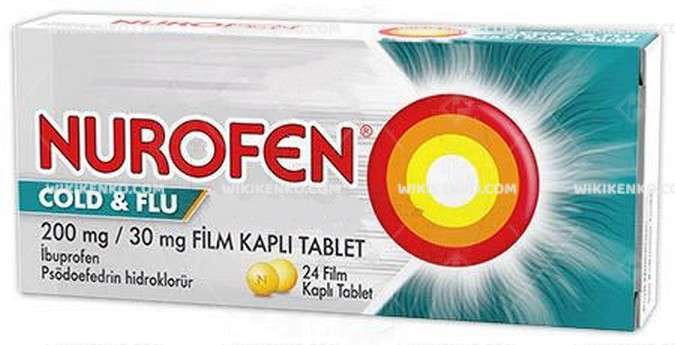
Nurofen Cold & Flu Tablet is a dual-action medication designed to alleviate the symptoms associated with cold and flu. This comprehensive article provides detailed information about the medication’s composition, therapeutic benefits, proper administration, potential side effects, and important precautions. Understanding these aspects is crucial for the safe and effective use of this medication.
Composition and Mechanism of Action
Each Nurofen Cold & Flu Tablet contains two active ingredients: 200 mg of Ibuprofen and 30 mg of Pseudoephedrine Hydrochloride. This combination offers a dual approach to managing cold and flu symptoms. Ibuprofen, a non-steroidal anti-inflammatory drug (NSAID), works by blocking enzymes that cause pain and inflammation, thereby reducing fever, pain, and inflammation.
Pseudoephedrine Hydrochloride, a sympathomimetic decongestant, functions by constricting blood vessels in the nasal passages, which reduces swelling and congestion, allowing for easier breathing through the nose. This complementary action addresses both the pain and congestion symptoms typically experienced during cold and flu episodes.
Therapeutic Indications
Nurofen Cold & Flu Tablet is specifically formulated to provide relief from multiple symptoms associated with colds and influenza. The medication effectively alleviates various discomforts including body aches, headaches, fever, and the pain of sore throat.
Additionally, it addresses nasal congestion by easing blocked nose and sinuses. The non-drowsy formula allows users to continue with their daily activities without experiencing the sedative effects often associated with other cold medications. This makes it particularly suitable for individuals who need symptom relief while maintaining alertness during work or other important activities.
Dosage and Administration
The standard recommended dosage for Nurofen Cold & Flu Tablet is two tablets initially, taken with water, followed by one to two tablets every four hours as needed. It is crucial not to exceed six tablets within any 24-hour period. If symptoms persist for more than three days or if new symptoms develop, patients should discontinue use and consult a healthcare professional. This medication is designed for short-term use only, and prolonged administration without medical supervision may increase the risk of adverse effects.
Special Populations
Nurofen Cold & Flu Tablet is intended for use in adults and adolescents over 12 years of age only. The medication is not suitable for children under 12 years. Pregnant or breastfeeding women should avoid using this medication. Elderly patients and those with asthma, liver or kidney problems should consult a healthcare professional before using this product, as they may require dosage adjustments or alternative treatments. Special caution is also warranted in patients with cardiovascular conditions, as discussed in the contraindications section.
Contraindications
Nurofen Cold & Flu Tablet should not be used by individuals with specific pre-existing conditions. These include hypersensitivity to ibuprofen, pseudoephedrine, aspirin, or any other NSAIDs.
Patients with active or recurring stomach ulcers, gastrointestinal bleeding, or other digestive system disorders should avoid this medication. The product is contraindicated in those with severe heart disease, uncontrolled hypertension, thyroid or prostate problems, diabetes, or glaucoma. Severe liver or kidney impairment also precludes the use of this medication. Additionally, patients taking Monoamine Oxidase Inhibitors (MAOIs) or who have taken them within the last 14 days should not use Nurofen Cold & Flu.
Warnings and Precautions
General Precautions
Patients should not exceed the stated dose of Nurofen Cold & Flu Tablet. This medication should not be taken concurrently with other products containing ibuprofen or pseudoephedrine to avoid potential overdose.
If symptoms persist for more than three days or worsen, medical attention should be sought. It is important to be aware that ibuprofen may mask the symptoms of underlying infections, potentially delaying appropriate treatment. Patients should read the patient information leaflet thoroughly before using this medication and keep it out of the reach of children.
Special Risk Groups
Particular caution is advised for patients with asthma, as NSAIDs like ibuprofen may precipitate bronchospasm in susceptible individuals. Those with cardiovascular risk factors should use this medication with caution, as ibuprofen, especially at higher doses, has been associated with a modest increased risk of arterial thrombotic events such as myocardial infarction or stroke.
Patients with systemic lupus erythematosus (SLE) or other autoimmune disorders may be at increased risk of aseptic meningitis when taking NSAIDs. Individuals with a history of gastrointestinal disease such as ulcerative colitis or Crohn’s disease should be monitored closely, as ibuprofen may exacerbate these conditions.
Side Effects
Common Side Effects
The most frequently reported adverse reactions to Nurofen Cold & Flu Tablet include gastrointestinal disturbances such as abdominal pain, nausea, dyspepsia, diarrhea, and constipation.
Central nervous system effects may include headache, dizziness, drowsiness, and weakness. Some patients may experience symptoms related to pseudoephedrine’s stimulant properties, such as feeling anxious or excited, insomnia, or a warm, flushing sensation. While these side effects are generally mild and transient, patients should consult a healthcare professional if they become troublesome or persistent.
Serious Side Effects
Though rare, serious adverse reactions may occur with Nurofen Cold & Flu Tablet. These include severe hypersensitivity reactions characterized by skin rash, itching, swelling of the face, tongue, or throat, difficulty breathing, and anaphylaxis. Gastrointestinal complications such as peptic ulcers, perforation, or bleeding may manifest as black tarry stools, vomiting blood, or severe abdominal pain.
Cardiovascular effects including hypertension, tachycardia, palpitations, or chest pain require immediate medical attention. Severe cutaneous adverse reactions (SCARs) such as Stevens-Johnson syndrome, toxic epidermal necrolysis, and acute generalized exanthematous pustulosis have been reported rarely. Neurological complications including aseptic meningitis presenting with symptoms like neck stiffness, headache, nausea, vomiting, and fever necessitate prompt medical evaluation.
Drug Interactions
Nurofen Cold & Flu Tablet may interact with several classes of medications, potentially affecting their efficacy or safety profile. Concurrent use with other NSAIDs, including aspirin, increases the risk of gastrointestinal adverse effects and should be avoided. The pseudoephedrine component may interact with antihypertensive medications, potentially reducing their effectiveness in controlling blood pressure.
Monoamine Oxidase Inhibitors (MAOIs) should not be used within 14 days of taking this medication due to the risk of dangerous interactions with pseudoephedrine. Patients taking medications for cardiovascular conditions, diabetes, or thyroid disorders should consult their healthcare provider before using Nurofen Cold & Flu Tablet. Additionally, those on anticoagulants or corticosteroids require careful monitoring, as ibuprofen may enhance the risk of bleeding or mask signs of infection, respectively.
Storage and Handling
Proper storage of Nurofen Cold & Flu Tablet is essential to maintain its efficacy and safety. The medication should be stored in a cool, dry place where the temperature remains below 25°C. It should be kept in its original packaging to protect it from moisture. Like all medications, Nurofen Cold & Flu Tablet must be kept out of the sight and reach of children to prevent accidental ingestion.
The product should not be used beyond its expiration date, and any unused medication should be disposed of properly according to local regulations. The tablets should not be stored in bathrooms or near sinks, as the humidity may affect the product’s stability.
Summary Table of Nurofen Cold & Flu Tablet Information
| Aspect | Details |
|---|---|
| Active Ingredients | Ibuprofen 200 mg, Pseudoephedrine Hydrochloride 30 mg per tablet |
| Therapeutic Uses | Relief of cold and flu symptoms: aches, pains, headache, fever, sore throat, blocked nose and sinuses |
| Dosage | Adults and children over 12 years: 2 tablets initially, then 1-2 tablets every 4 hours as needed. Maximum 6 tablets in 24 hours |
| Contraindications | Hypersensitivity to ingredients, stomach ulcers, severe heart/liver/kidney problems, uncontrolled hypertension, glaucoma, concurrent MAOI use |
| Common Side Effects | Headache, dizziness, nausea, upset stomach, diarrhea, constipation, insomnia |
| Serious Side Effects | Allergic reactions, GI bleeding, severe skin reactions, cardiovascular events, renal problems, aseptic meningitis |
| Special Warnings | Not for children under 12, pregnancy, breastfeeding. Caution in asthma, heart conditions, autoimmune diseases |
| Storage Conditions | Below 25°C, in original package, away from moisture, out of reach of children |
| Duration of Use | Do not use for more than 3 days without medical advice |
| Formulation | Yellow, film-coated tablets |
Conclusion
Nurofen Cold & Flu Tablet provides effective relief from the multiple symptoms associated with cold and flu through its dual-action formulation of ibuprofen and pseudoephedrine. When used as directed, it can significantly alleviate discomfort and improve quality of life during illness. However, like all medications, it carries the potential for side effects and is not suitable for everyone.
Adherence to recommended dosages, awareness of contraindications, and knowledge of potential adverse reactions are essential for safe use. Patients should consult healthcare professionals if they are uncertain about the appropriateness of this medication for their specific situation, particularly those with pre-existing medical conditions or those taking other medications. As with all therapeutic interventions, the benefits of treatment should be weighed against potential risks, and the shortest duration of treatment necessary to achieve symptom relief should be employed.
















Reviews
There are no reviews yet.