
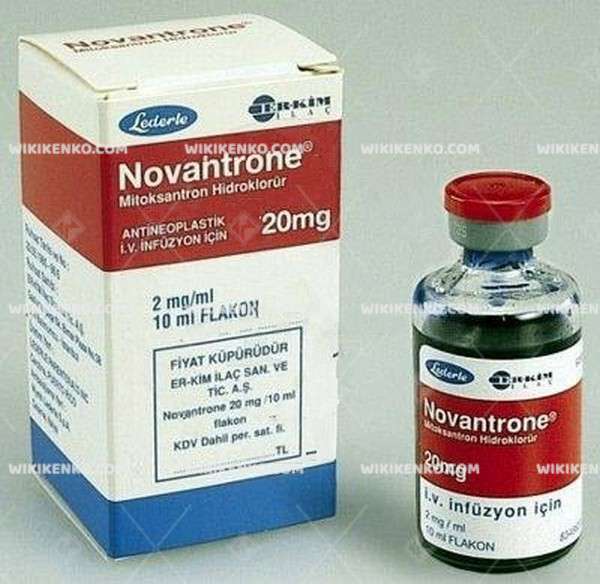
Description
Uses of Novantrone
Cancer Treatment
Novantrone is a chemotherapy agent primarily used to treat:
- Acute Nonlymphocytic Leukemia (ANLL)
- Advanced Prostate Cancer
Multiple Sclerosis (MS) Treatment
Novantrone is also used to manage specific forms of MS, including:
- Secondary progressive MS
- Progressive relapsing MS
- Worsening relapsing-remitting MS
Mechanism of Action
Mitoxantrone, the active ingredient in Novantrone, is an anthracenedione drug. It works by targeting rapidly dividing cells, such as cancer cells, by disrupting their DNA and killing them. This mechanism helps to slow or stop the proliferation of cancer cells and immune cells that exacerbate conditions like MS.
Administration
Novantrone is administered via intravenous (IV) infusion under strict medical supervision, typically in a hospital or clinic. The dose and frequency of administration depend on the patient’s medical condition, body size, and response to treatment.
Side Effects
| Common Side Effects | Serious Side Effects |
|---|---|
| Nausea and vomiting | Severe dehydration due to vomiting/diarrhea |
| Diarrhea | Menstrual changes |
| Headache | Unusual bleeding or bruising |
| Temporary hair thinning or loss | Numbness or tingling sensations |
| Fatigue | Seizures |
| Blue-green discoloration of urine or eyes | Increased risk of infections |
Precautions
Before starting Novantrone, it is essential to inform your healthcare provider if you have any of the following conditions:
- Heart disease
- Liver disease
- Low blood counts
- A history of chemotherapy or radiation therapy
- Known allergies to Mitoxantrone or other medications
Drug Interactions
Novantrone may interact with a variety of medications, which could either reduce its effectiveness or increase the risk of side effects. These include:
- Ciprofloxacin: An antibiotic that can impact how Novantrone is processed by the body.
- Cyclosporine: An immunosuppressant that may increase the risk of infection.
- Other Chemotherapy Drugs: Daunorubicin and Doxorubicin, which could enhance toxicity.
- Vaccines: Certain live vaccines may interact with Novantrone, increasing the risk of infections.
Patients must inform their healthcare providers of all medications, supplements, and herbs they are taking to avoid any potential interactions.
Special Considerations
- Pregnancy and Breastfeeding: Novantrone should not be used during pregnancy or breastfeeding due to potential harm to the baby. Women of childbearing age should use effective contraception during treatment.
- Monitoring: Regular monitoring, including blood tests and heart function evaluations, is necessary to check for side effects and assess the medication’s efficacy.
Contraindications of Novantrone
Certain medical conditions or situations make the use of Novantrone inappropriate. These include:
- Heart Conditions: Patients with significant heart disease or a history of heart failure should avoid Novantrone as it can exacerbate these conditions.
- Low Blood Counts: Patients with baseline neutrophil counts below 1,500 cells/mm³ should not take this medication.
- Liver Disease: Those with severe liver disease should avoid Novantrone, as the liver plays a vital role in processing the drug.
- Pregnancy and Breastfeeding: Due to the potential for serious harm to the baby, Novantrone should not be used in pregnant or breastfeeding women.
- Previous Chemotherapy or Radiation: Individuals who have undergone extensive chemotherapy or radiation therapy should avoid Novantrone due to an increased risk of complications.
Administration of Novantrone
Novantrone is administered through an IV infusion by a healthcare professional. Key details include:
- Preparation: Prepared and diluted by a pharmacist or healthcare professional before administration.
- Dosage: The exact dosage is calculated based on the patient’s medical condition and body size.
- Infusion Process: Administered slowly over 5 to 15 minutes, though the duration may vary depending on the treatment plan.
- Frequency: The frequency of administration depends on the condition. For cancer, it’s typically given every 21 days, whereas for MS, it is usually administered once every three months.
- Monitoring: Patients are closely monitored during the infusion to check for any adverse reactions. Blood tests and heart function tests are often conducted to ensure the medication is working correctly and to detect any side effects early.
Is There an Oral Form of Novantrone?
Currently, Novantrone is only available as an IV infusion. There is no oral formulation of Mitoxantrone, and it must be administered in a hospital or clinic setting by a healthcare professional.
Can Novantrone Be Administered at Home?
No, Novantrone is not suitable for home administration due to the need for specialized equipment and healthcare monitoring. The drug requires preparation by a pharmacist and must be given by a professional in a controlled medical environment.
Duration of Each Infusion
Typically, a Novantrone infusion takes between 5 and 15 minutes, depending on the patient’s condition and treatment protocol. This infusion is administered under the supervision of a healthcare provider in a clinical setting.
Alternatives to Novantrone
Depending on the condition being treated, there are alternatives to Novantrone. Below are some common alternatives for cancer and multiple sclerosis:
| Condition | Alternative Treatments |
|---|---|
| Acute Nonlymphocytic Leukemia (ANLL) | Daunorubicin, Cytarabine |
| Advanced Prostate Cancer | Docetaxel, Cabazitaxel |
| Relapsing Forms of MS | Vumerity (Diroximel Fumarate), Zeposia (Ozanimod) |
| Progressive Forms of MS | Ocrevus (Ocrelizumab), Rituxan (Rituximab) |
It is essential for patients to consult with their healthcare provider to determine which alternative is most appropriate based on their specific medical condition and history.
Monitoring and Follow-up
Patients receiving Novantrone require regular check-ups to monitor treatment effectiveness and detect any emerging side effects early. Routine blood tests and heart function evaluations are critical components of this follow-up process.
Conclusion
Novantrone (Mitoxantrone) is an effective chemotherapy agent used for treating certain cancers and forms of multiple sclerosis. However, its administration must be carefully monitored due to its potential side effects and contraindications. Patients undergoing treatment with Novantrone should ensure they have regular follow-ups, use effective contraception if necessary, and maintain open communication with their healthcare provider regarding all medications and supplements they are taking













Reviews
There are no reviews yet.