
Description
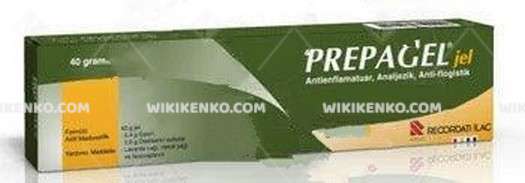
Prepagel Gel is a topical medication widely used in Turkey and other countries for treating various musculoskeletal conditions. This pharmaceutical formulation combines two active ingredients that work synergistically to provide anti-inflammatory, anti-edematous, and analgesic effects. The following comprehensive overview explores the composition, therapeutic applications, and important considerations when using this medication.
Composition and Formulation
Prepagel Gel contains two primary active ingredients working in combination to deliver therapeutic benefits. Each gram of the gel contains 0.01 g of aescin (sometimes referred to as escin) and 0.05 g of diethylamine salicylate. These active components are complemented by several auxiliary substances that enhance the formula’s application properties and absorption. The auxiliary ingredients include lavanta oil (lavender oil), neroli oil (orange blossom oil), and isopropyl alcohol. This carefully balanced formulation creates a transparent gel that is rapidly absorbed through the skin, allowing the active ingredients to reach their target tissues effectively.
Pharmacological Properties
Prepagel Gel exhibits three primary pharmacological actions that contribute to its therapeutic efficacy in various conditions. The medication demonstrates potent anti-edematous (reducing swelling), anti-inflammatory, and analgesic (pain-relieving) properties. The unique formulation in an alcohol base enhances these effects and improves delivery to affected tissues.
Mechanism of Action
The therapeutic effects of Prepagel Gel stem from the complementary actions of its two active ingredients. Aescin, derived from horse chestnut seeds, is readily absorbed through the skin and works to prevent fluid accumulation in tissues, thereby reducing swelling. It accomplishes this by reducing the number and size of capillary wall pores, which helps minimize the leakage of small molecules and fluids into surrounding tissues. This mechanism is particularly beneficial for addressing trauma-induced swelling and inflammation.
Diethylamine salicylate, a derivative of salicylic acid, enhances the anti-inflammatory effects of the formulation and is particularly effective at alleviating deep pain. It functions primarily by inhibiting the production of prostaglandins, which are key mediators of pain, fever, and inflammation. These dual mechanisms work together to provide comprehensive relief from pain and swelling associated with various musculoskeletal conditions.
Therapeutic Indications
Prepagel Gel is indicated for a wide range of conditions affecting the musculoskeletal system. It is particularly effective for treating trauma-induced conditions such as bruises, sprains, hematomas (blood pooling), and tendon sheath inflammation (tendosynovitis). The medication also provides significant relief for various spinal pain conditions, including cervical syndrome, neck pain, lumbago (lower back pain), and sciatica.
In addition to musculoskeletal applications, Prepagel Gel is used in the management of superficial vein inflammation (thrombophlebitis) and various problems associated with varicose veins. It can also be beneficial for patients suffering from headaches following concussion and is used as a supportive treatment for tendinitis (inflammation of the tendons). The versatility of this medication makes it a valuable option in the management of various acute and chronic pain conditions.
Dosage and Administration
Proper application of Prepagel Gel is essential for achieving optimal therapeutic outcomes. Unless otherwise directed by a healthcare professional, the medication should be applied as a thin layer to the affected area once or several times daily, depending on the severity of the condition. The gel should be spread over the skin of the affected area, with the size of application varying according to the extent of the affected tissue.
While massaging the gel into the skin is not strictly necessary, it may be performed if desired to enhance absorption and provide additional therapeutic benefit through massage. Treatment duration is typically guided by symptom resolution, with application continuing until the complaints subside. However, patients should be cautious when using the gel over large surface areas for extended periods, as systemic absorption of the active ingredients may occur.
Contraindications and Precautions
Despite its beneficial effects, Prepagel Gel is not suitable for all patients or conditions. The medication is contraindicated in individuals with hypersensitivity to any of its ingredients. It should not be applied to open wounds, damaged skin, or areas undergoing radiation therapy, as this could potentially exacerbate skin irritation or damage. The manufacturer also advises against use in children under 2 years of age.
Special caution is warranted when applying Prepagel Gel to extensive areas of the body, as significant systemic absorption of the active ingredients may occur. This is particularly important for patients with aspirin sensitivity, who may experience adverse reactions including urticaria (hives) and angioneurotic edema following local application. Healthcare providers should carefully consider these factors when recommending Prepagel Gel to their patients.
Drug Interactions
Although Prepagel Gel is applied topically, potential drug interactions may occur, particularly when the medication is used over large surface areas for extended periods. The aescin component may enhance the effect of anticoagulants like warfarin, potentially increasing the risk of bleeding. Similarly, diethylamine salicylate may increase the effect of blood sugar-lowering medications such as sulfonylureas and may also enhance the toxic effects of methotrexate.
Patients taking these medications should consult with their healthcare provider before using Prepagel Gel, especially when application over large areas is anticipated. Close monitoring may be necessary to prevent adverse interactions during concurrent use of these medications.
Side Effects and Adverse Reactions
While generally well-tolerated, Prepagel Gel may cause certain adverse reactions in some patients. Skin reactions may occur in rare cases, particularly in individuals with sensitive skin or those with allergies to any of the ingredients. These reactions may include erythema (skin redness), desquamation (peeling of the outer layer of skin), urticaria (hives), and angioneurotic edema (rapid swelling of deeper skin layers).
Patients with known aspirin sensitivity are at higher risk for developing allergic reactions and should use this medication with caution or avoid it altogether. If any unexpected adverse effect is observed, patients are advised to discontinue use and consult their healthcare provider promptly.
Storage and Handling
To maintain the stability and efficacy of Prepagel Gel, proper storage conditions should be observed. The medication should be stored at room temperature, preferably below 30°C and in a cool place. The gel should be kept in its original packaging, out of reach of children, and should not be used beyond its expiration date. As with all medications, patients should consult a healthcare provider before initiating treatment and should not use the medication without medical consultation.
Information Summary Table
| Parameter | Details |
|---|---|
| Active Ingredients | Aescin (0.01 g/g), Diethylamine salicylate (0.05 g/g) |
| Auxiliary Substances | Lavender oil, Neroli oil, Isopropyl alcohol |
| Indications | – Trauma-induced conditions (bruises, sprains, hematomas) – Tendon sheath inflammation – Spinal pain conditions (cervical syndrome, lumbago, sciatica) – Superficial vein inflammation – Varicose vein problems – Headaches following concussion |
| Dosage | Apply a thin layer to affected area once or several times daily |
| Administration | Topical application, massage optional |
| Side Effects | – Skin reactions (rare) – Erythema (redness) – Desquamation (skin peeling) – Urticaria and angioneurotic edema (in aspirin-sensitive patients) |
| Contraindications | – Hypersensitivity to ingredients – Open wounds – Skin undergoing radiation therapy – Children under 2 years |
| Drug Interactions | – Enhanced effect of anticoagulants – Increased effect of blood sugar-lowering drugs – Enhanced toxic effect of methotrexate |
| Storage | Below 30°C, preferably in a cool place, in original packaging |
| Benefits | – Reduces swelling – Alleviates inflammation – Provides pain relief – Rapidly absorbed through skin |
Conclusion
Prepagel Gel represents an effective topical treatment option for various musculoskeletal conditions, offering anti-inflammatory, anti-edematous, and analgesic benefits. The unique combination of aescin and diethylamine salicylate in a rapidly absorbing formulation provides targeted relief to affected tissues. While generally well-tolerated, appropriate precautions should be taken, particularly in patients with sensitivity to aspirin or those taking certain medications. Under the guidance of a healthcare provider, Prepagel Gel can be a valuable component in the management of acute and chronic musculoskeletal pain and inflammation.











Reviews
There are no reviews yet.