
Description
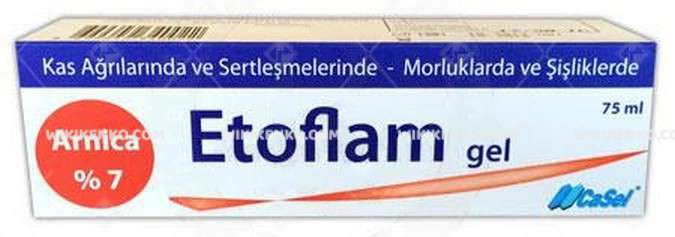
Etoflam Gel is a topical non-steroidal anti-inflammatory drug (NSAID) formulation used to relieve pain and inflammation in muscles and soft tissues. This pharmaceutical preparation contains etofenamate as its active ingredient, which effectively penetrates the skin to target inflamed tissues directly. Widely used for various musculoskeletal conditions, Etoflam Gel offers localized treatment without the systemic effects associated with oral NSAIDs. This article provides detailed information about the composition, therapeutic uses, dosage, and safety considerations of Etoflam Gel.
Composition and Formulation
Active Ingredient
The primary active ingredient in standard Etoflam Gel is etofenamate at a concentration of 5% w/w. Etofenamate belongs to the flufenamic acid derivative class of NSAIDs and is specially formulated for topical application. This compound readily traverses the skin barrier and accumulates in inflamed tissues, where it exerts its therapeutic effects.
Inactive Ingredients
The standard formulation of Etoflam Gel contains several excipients that enhance the product’s stability, absorption, and user experience. These typically include fatty alcohol polyglycol ether, isopropyl alcohol, macrogol 400, carbomer, sodium hydroxide, and purified water. These ingredients contribute to the gel’s nearly transparent yellowish appearance and appropriate viscosity for topical application.
Regional Variations
It’s important to note that Etoflam Gel may have different formulations in various countries. While the standard international formulation contains etofenamate as described above, some regional variations may incorporate additional ingredients. In some markets, particularly in Eastern European and Middle Eastern regions, similar therapeutic gels may contain ingredients like Arnica Montana (known for its anti-inflammatory properties) and menthol (providing a cooling sensation). These variations might be marketed under similar names but with different ingredient profiles.
Mechanism of Action
Etofenamate, the active compound in Etoflam Gel, functions through multiple anti-inflammatory pathways. When applied topically, it penetrates the skin and concentrates in the inflamed tissue. The molecule exerts its therapeutic effects by inhibiting the release of inflammatory mediators including histamine, lysosomal enzymes, and prostaglandins. By interrupting the inflammatory cascade, etofenamate effectively reduces pain, swelling, and inflammation in the affected area without significant systemic absorption, which helps minimize the risk of adverse effects typically associated with oral NSAIDs.
Therapeutic Uses
Musculoskeletal Conditions
Etoflam Gel is primarily indicated for various inflammatory disorders of the musculoskeletal system. It provides effective relief for conditions such as muscle strains, sprains, and tissue injuries by reducing the associated pain and inflammation. The localized application allows for targeted treatment directly at the site of discomfort.
Sports Injuries
Athletes and physically active individuals often use Etoflam Gel to manage pain and inflammation resulting from sports-related injuries. Its effectiveness in treating conditions like tennis elbow, sprains, and strains makes it a valuable component in sports medicine. The non-invasive nature of topical application allows for continued movement and rehabilitation while managing pain.
Arthritis
Etoflam Gel has demonstrated efficacy in alleviating symptoms associated with both rheumatoid arthritis and osteoarthritis. Regular application helps reduce joint pain, stiffness, and swelling, potentially improving mobility and quality of life for arthritis patients. For osteoarthritis specifically, clinical review is recommended after 4 weeks of treatment.
Administration and Dosage
Application Method
To use Etoflam Gel effectively, a thin layer should be applied to the affected area and gently massaged into the skin until fully absorbed. It is important to avoid applying the gel to broken or irritated skin and to prevent contact with eyes and mucous membranes. Thorough hand washing after application is recommended to prevent accidental transfer to sensitive areas.
Dosage for Adults
For adult patients, including elderly individuals, the recommended dosage is a 5-10cm strip of gel (adjusted according to the size of the affected area) applied to the skin and gently rubbed in. This application may be repeated up to four times daily, depending on the severity of symptoms. It’s noteworthy that no dosage adjustment is typically required for patients with impaired renal function or those undergoing anticoagulant therapy.
Duration of Treatment
Treatment with Etoflam Gel should be reviewed after 14 days of continuous use. Therapy should not extend beyond 6 weeks without medical reassessment. For patients using the gel specifically for osteoarthritis symptoms, a clinical review is advised after 4 weeks of treatment. Extended use without medical supervision is not recommended.
Side Effects
Common Side Effects
The most commonly reported side effects of Etoflam Gel are localized reactions at the application site, including skin irritation, redness, itching, and dryness. These dermatological reactions are generally mild and transient, resolving upon discontinuation of the product. Local discomfort is typically minimal compared to the systemic effects of oral NSAIDs.
Rare Side Effects
Although uncommon, more serious adverse reactions may include allergic responses such as rash, swelling, or difficulty breathing. If any of these symptoms occur, immediate discontinuation of the product and medical consultation are advised. Systemic absorption is minimal with topical application, but patients should be aware of potential hypersensitivity reactions.
Precautions
When using Etoflam Gel, patients should avoid applying it to broken or irritated skin. The product contains alcohol and should not be used with occlusive dressings. Contact with eyes and mucous membranes should be strictly avoided due to the alcohol content. If skin irritation develops during use, the treatment should be discontinued and medical advice sought.
Contraindications
Etoflam Gel is contraindicated in patients with known hypersensitivity to any of its ingredients or to non-steroidal anti-inflammatory agents, including aspirin. It should not be applied to broken skin or used simultaneously with other topical preparations on the same site. The gel should also not be used in the presence of local infections. Use in children and infants is not recommended based on available safety and efficacy data.
Special Populations
Pregnancy and Lactation
Etoflam Gel is not recommended for use during pregnancy and lactation. Studies in animals have shown that etofenamate and some of its metabolites can cross the placenta. As with many medications, the potential benefits should be weighed against possible risks when considering use in these populations.
Pediatric Use
The use of Etoflam Gel is not recommended in children or infants due to limited safety and efficacy data in these age groups. Parents and caregivers should consult healthcare providers regarding appropriate pain management options for pediatric patients.
Elderly Patients
No special dosage adjustment is required for elderly patients using Etoflam Gel. However, as with all medications, careful monitoring for adverse effects is advisable in this population, particularly those with compromised skin integrity or multiple comorbidities.
Storage and Handling
Etoflam Gel should be stored at temperatures not exceeding 25°C in its original container. The product typically has a shelf life of 5 years when stored according to recommendations. After application, hands should be thoroughly washed to prevent accidental transfer to sensitive areas such as the eyes or mucous membranes.
Product Information Table
| Parameter | Details |
|---|---|
| Active Ingredient | Etofenamate 5% w/w |
| Pharmaceutical Form | Gel (nearly transparent yellowish) |
| Therapeutic Category | Topical NSAID (Non-Steroidal Anti-inflammatory Drug) |
| Indications | Inflammatory disorders of the musculoskeletal system including sprains, strains, tennis elbow, rheumatoid arthritis, osteoarthritis |
| Dosage | Adults: 5-10cm strip applied up to 4 times daily Children: Not recommended |
| Duration of Treatment | General use: Review after 14 days, not to exceed 6 weeks Osteoarthritis: Review after 4 weeks |
| Method of Application | Apply to affected area and gently massage until absorbed |
| Common Side Effects | Skin irritation, redness, itching, dryness at application site |
| Rare Side Effects | Allergic reactions (rash, swelling, difficulty breathing) |
| Contraindications | – Hypersensitivity to ingredients or NSAIDs – Broken skin – Use with occlusive dressings – Simultaneous use with other topical preparations – Presence of local infection |
| Precautions | – Avoid contact with eyes and mucous membranes – Wash hands thoroughly after use – Discontinue if skin irritation develops |
| Use in Special Populations | – Not recommended during pregnancy and lactation – Not recommended for children or infants – No dosage adjustment required for elderly or patients with renal impairment |
| Storage Conditions | Do not store above 25°C |
| Shelf Life | 5 years |
Conclusion
Etoflam Gel represents an effective topical treatment option for various musculoskeletal conditions, providing localized pain relief and anti-inflammatory effects. Its active ingredient, etofenamate, penetrates the skin barrier to directly target inflamed tissues, offering therapeutic benefits with minimal systemic absorption. While generally well-tolerated, users should adhere to recommended dosages and application guidelines to maximize efficacy and minimize potential adverse effects.
As with any medication, consultation with a healthcare provider is advised before initiating treatment, particularly for patients with pre-existing conditions or those taking other medications. Regional variations in formulation may exist, so patients should carefully review product labels and consult healthcare professionals regarding specific formulations available in their region.











Reviews
There are no reviews yet.