Description
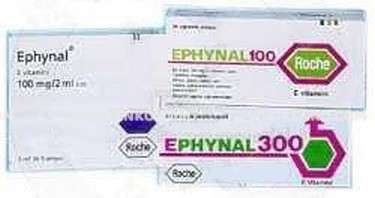
Ephynal Chewable Dragee is an oral vitamin E preparation containing 100 mg (100 IU) of synthetic dl‑alpha‑tocopheryl acetate per dragee, formulated primarily for the treatment and prevention of vitamin E deficiency and related conditions.
Pharmaceutical Composition and Presentation
Each Ephynal Chewable Dragee contains 100 mg of vitamin E in the form of dl‑alpha‑tocopheryl acetate, corresponding to 100 international units (IU) of vitamin E activity. Each dragee also contains approximately 745 mg of carbohydrate, providing around 13 kJ of energy. The product is presented as chewable, sugar-containing dragees intended for oral administration.
Key Qualitative and Quantitative Composition
| Component | Quantity per dragee | Functional role |
|---|---|---|
| Dl‑alpha‑tocopheryl acetate | 100 mg (100 IU) | Active vitamin E (antioxidant) |
| Carbohydrate (unspecified mix) | 745 mg (≈13 kJ) | Energy source, chewable matrix |
Pharmacological Properties of Vitamin E
Dl‑alpha‑tocopheryl acetate is a synthetic ester of alpha‑tocopherol, a fat‑soluble vitamin with potent antioxidant properties that protects polyunsaturated fatty acids within cell membranes from lipid peroxidation. In biological systems, vitamin E contributes to stabilization of cell membranes, modulation of immune function, and preservation of neuromuscular integrity. Vitamin E is also implicated in the regulation of platelet aggregation and may influence oxidative modification of low‑density lipoprotein (LDL) cholesterol, a process relevant to atherogenesis.
After oral administration, dl‑alpha‑tocopheryl acetate is hydrolysed in the intestinal mucosa to free tocopherol, which is absorbed along with dietary lipids via micellar solubilization. Approximately 50–80% of administered alpha‑tocopherol esters are absorbed in individuals with normal fat absorption. Absorbed vitamin E is incorporated into chylomicrons, transported via lymphatics, and subsequently redistributed to tissues predominantly by very‑low‑density and low‑density lipoproteins. The apparent plasma half‑life of alpha‑tocopherol in healthy subjects is on the order of ~48 hours, reflecting slow tissue redistribution and clearance.
Mechanism of Action
The primary mechanism of vitamin E is free‑radical scavenging within lipid domains of biological membranes. Alpha‑tocopherol donates a hydrogen atom to lipid peroxyl radicals generated during oxidative stress, thereby terminating chain reactions of lipid peroxidation and preventing structural damage to membranes and lipoproteins. In doing so, vitamin E helps maintain the integrity of erythrocytes, skeletal and cardiac muscle fibres, and neuronal tissues that are rich in polyunsaturated fatty acids. Clinical and experimental evidence suggests that daily supplementation with 100 mg tocopheryl acetate can reduce indices of LDL peroxidation, which may be beneficial in early stages of coronary atherosclerosis.
Clinical Indications
Ephynal Chewable Dragee is primarily indicated as a vitamin E supplement in patients with proven or strongly suspected vitamin E deficiency. Typical clinical situations associated with deficiency include:
-
Chronic fat‑malabsorption syndromes (e.g. cystic fibrosis, chronic cholestatic liver disease, pancreatic insufficiency).
-
Rare hereditary disorders of lipoprotein metabolism (e.g. abetalipoproteinaemia).
-
Very low dietary intake or parenteral nutrition lacking adequate vitamin E.
In such settings, vitamin E supplementation aims to prevent or treat manifestations such as hemolytic anemia, peripheral neuropathy, myopathy, and retinal degeneration. Chewable formulations like Ephynal may also be used as supportive supplementation where oral capsules are difficult to swallow, provided fat absorption is adequate.
Dosage and Administration
Ephynal Chewable Dragee is intended for oral use, to be chewed thoroughly before swallowing to optimize palatability and digestion. A common adult supplementation regimen with 100 mg alpha‑tocopheryl acetate is once daily, although the exact dose, frequency, and duration must be individualized based on the indication, severity of deficiency, and clinical response. In documented deficiency, higher total daily doses of vitamin E (often several hundred milligrams) are frequently required, usually achieved with higher‑strength capsules rather than low‑dose chewable preparations. In pediatric patients, dosing must be determined on a body‑weight basis and supervised by a clinician experienced in managing vitamin deficiencies.
Safety Profile and Adverse Effects
Vitamin E at nutritional doses (e.g. 100 mg/day) is generally well tolerated in individuals without significant comorbidities. Reported adverse effects at low to moderate doses are usually mild and may include gastrointestinal discomfort, nausea, diarrhea, or abdominal cramps. Very high chronic intakes of vitamin E (often ≥400 IU/day of alpha‑tocopherol for long periods) have been associated in some observational and interventional studies with increased risk of hemorrhagic stroke and potential interactions with anticoagulant therapy, although data are heterogeneous.
Because vitamin E can affect platelet aggregation and vitamin K–dependent coagulation pathways, caution is advised when administering supplemental vitamin E to patients on warfarin or other anticoagulants, and coagulation parameters should be monitored if higher doses are used. Hypersensitivity to dl‑alpha‑tocopheryl acetate or any excipient in the formulation constitutes a contraindication.
Special Warnings and Precautions
Patients with fat‑malabsorption syndromes may exhibit reduced absorption of oral vitamin E; in such cases, higher oral doses or parenteral formulations may be necessary under specialist supervision. The carbohydrate content of Ephynal Chewable Dragee (745 mg per unit) should be considered in individuals with diabetes mellitus or those on strict carbohydrate‑restricted diets. In pregnancy and lactation, vitamin E requirements are modestly increased, but routine high‑dose supplementation beyond recommended dietary intake should only be undertaken if there is a clear clinical indication.
Drug Interactions
Vitamin E may interact pharmacodynamically with oral anticoagulants and antiplatelet agents, potentially enhancing their anticoagulant effect and increasing bleeding risk, particularly at higher vitamin E doses. Concomitant administration with bile acid sequestrants, mineral oil, or orlistat can reduce absorption of fat‑soluble vitamins, including vitamin E, and may necessitate dose adjustment or timing separation. Conversely, adequate dietary fat and bile flow are important for optimal absorption of dl‑alpha‑tocopheryl acetate.
Overdose Considerations
Acute toxicity of vitamin E is low, and serious adverse events from inadvertent ingestion of modestly supra‑therapeutic doses (such as a few additional 100 mg dragees) are unlikely in healthy individuals. Chronic ingestion of very high doses, particularly in combination with anticoagulant therapy or pre‑existing vitamin K deficiency, can increase the risk of bleeding complications. In suspected overdose with clinical signs of coagulopathy or bleeding, appropriate laboratory evaluation and supportive management, including possible adjustment of concomitant anticoagulants, is required.
Evidence Base for 100 mg Tocopheryl Acetate Supplementation
Clinical studies examining long‑term supplementation with 100 mg tocopheryl acetate in middle‑aged adults have demonstrated reductions in biochemical markers of LDL cholesterol peroxidation, suggesting a potential role of this dose in early prevention of atherosclerotic changes. Nevertheless, large outcome trials of higher‑dose vitamin E in cardiovascular prevention have produced mixed results, and current guidelines generally do not recommend routine high‑dose vitamin E supplementation for primary cardiovascular prevention in the general population. Accordingly, use of Ephynal Chewable Dragee should focus on documented or strongly suspected deficiency states or specific clinical indications rather than unselective prophylaxis.
This information is a general, evidence‑based pharmaceutical overview and does not replace the need for product‑specific prescribing information or individualized medical advice. For clinical decisions, consult the official Ephynal product literature and relevant national formularies.


Jamsheed Zafar –
how can I buy Ephynal & Rovigon in UK
Medical Guidance Center –
Hello Jamsheed Zafar, this is WikiKenko. Thank you for your interest.
Please be aware that WikiKenko does not sell any medications. If you are in a life-threatening emergency, you may want to try filling out the “Community Support Network” form at https://wikikenko.com/community-support-network/. The community may be able to help you locate official sellers in your country.