

Description
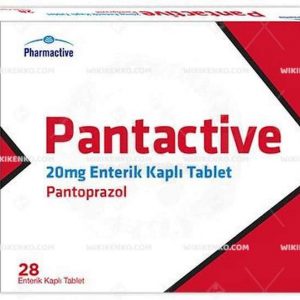
Pantactive Enteric Coated Tablet is a widely used medication for reducing excessive gastric acid production. It contains 42.292 mg of pantoprazole sodium sesquihydrate, equivalent to 40 mg of pantoprazole, as the active ingredient. This formulation is particularly effective for treating various acid-related gastrointestinal conditions, such as gastroesophageal reflux disease (GERD), peptic ulcers, and Zollinger-Ellison syndrome. Its targeted delivery system, enabled by an enteric coating, ensures enhanced efficacy while minimizing potential irritation to the gastric mucosa.
Pantoprazole belongs to the class of drugs known as proton pump inhibitors (PPIs), which are highly effective in controlling acid-related conditions. By reducing stomach acidity, Pantactive not only alleviates symptoms but also aids in the healing of damaged tissues in the gastrointestinal tract. It is a staple in the management of acid-related disorders and is frequently prescribed by healthcare providers for both acute and long-term treatment plans.
Composition and Mechanism of Action
Pantactive is composed of pantoprazole sodium sesquihydrate as its active pharmaceutical ingredient. Additionally, it contains several excipients that support the stability, delivery, and absorption of the medication. These include betacyclodextrin, calcium stearate, crospovidone, ferric oxide, hydroxypropyl cellulose, hypromellose, methacrylic acid copolymer, microcrystalline cellulose, povidone, propylene glycol, sodium carbonate anhydrous, titanium dioxide, and triethyl citrate.
The enteric coating on Pantactive ensures that the tablet dissolves in the intestine rather than in the stomach. This prevents premature degradation of the active ingredient by stomach acid, enhancing its therapeutic effect while reducing the likelihood of gastric irritation.
Pantoprazole acts by inhibiting the hydrogen-potassium ATPase enzyme system, also known as the proton pump, located on the secretory surface of gastric parietal cells. This action blocks the final step of gastric acid production, leading to a significant reduction in stomach acidity. By targeting this critical enzyme system, pantoprazole effectively controls acid secretion, making it highly beneficial for conditions such as GERD, duodenal and gastric ulcers, and Zollinger-Ellison syndrome.
Indications for Use
Pantactive Enteric Coated Tablet is prescribed for various gastrointestinal conditions characterized by excessive gastric acid production. These include:
- Gastroesophageal Reflux Disease (GERD): Provides relief from symptoms such as heartburn and acid regurgitation, while preventing complications.
- Erosive Esophagitis: Promotes healing of esophageal tissue damaged by acid reflux and prevents recurrence.
- Peptic Ulcers: Facilitates the healing of both gastric and duodenal ulcers by creating a less acidic environment conducive to tissue repair.
- Zollinger-Ellison Syndrome: Manages this rare condition by controlling excessive acid secretion caused by gastrin-secreting tumors.
- Prevention of NSAID-Induced Gastric Ulcers: Protects patients on long-term NSAID therapy who are at risk of developing ulcers.
Dosage and Administration
Pantactive is available in an enteric-coated tablet form, designed for oral administration. The recommended dosage varies based on the specific condition being treated.
For GERD and erosive esophagitis, the standard dose is 20–40 mg once daily. Patients with peptic ulcers typically require 40 mg once daily, while those with Zollinger-Ellison syndrome may need higher doses ranging from 40 mg to 160 mg daily, tailored to their individual needs. The maximum dosage is determined by the severity of acid secretion and the patient’s response to therapy.
Pantactive tablets should be taken before meals to optimize absorption. The tablet must be swallowed whole with water and should not be crushed or chewed to maintain the integrity of the enteric coating, which is essential for its targeted delivery to the intestine.
Considerations for Special Populations
In elderly patients, no specific dosage adjustments are generally required; however, careful monitoring is advised to avoid potential adverse effects. Patients with mild to moderate liver impairment can typically follow standard dosing recommendations, but those with severe liver impairment should not exceed 20 mg daily due to reduced drug clearance. Pregnant and breastfeeding women should consult their healthcare provider before using Pantactive, as safety data in these populations are limited.
Side Effects
Pantactive is generally well-tolerated; however, like all medications, it may cause side effects. These can range from mild to severe and are summarized in the following table:
| Category | Potential Side Effects |
|---|---|
| Common | Headache, diarrhea, nausea, abdominal pain, indigestion, constipation, dry mouth, bloating |
| Less Common | Weakness, dizziness, metallic taste, blurred vision, skin rash, sleep disturbances |
| Serious | Severe diarrhea, kidney issues, liver problems, bone fractures, B12 deficiency |
Serious side effects, such as persistent diarrhea, signs of liver dysfunction (e.g., jaundice), or symptoms of kidney damage (e.g., decreased urine output), require immediate medical attention.
Comparative Analysis of Pantoprazole Formulations
Pantactive’s active ingredient, pantoprazole, is available in different formulations and is comparable to other PPIs, such as esomeprazole and omeprazole. While all PPIs share a similar mechanism of action, they differ in pharmacokinetics, safety profiles, and drug interactions.
Compared to esomeprazole, pantoprazole has fewer drug interactions due to its less extensive liver metabolism. Both are equally effective in managing GERD and healing erosive esophagitis. In comparison with omeprazole, pantoprazole demonstrates a similar efficacy for acid suppression but may have a lower incidence of side effects like back pain or cough.
| Drug | Standard Dose | Interactions | Efficacy for GERD | Additional Notes |
|---|---|---|---|---|
| Pantoprazole | 40 mg once daily | Fewer interactions | Comparable | Preferred for long-term use in liver impairment |
| Esomeprazole | 40 mg once daily | Higher interactions | Comparable | Metabolized more extensively by liver enzymes |
| Omeprazole | 20 mg once daily | Moderate interactions | Comparable | May cause more frequent non-GI side effects |
Drug Interactions
Pantoprazole interacts with various medications, potentially altering their efficacy or safety. Notable interactions include anticoagulants like warfarin, which may increase the risk of bleeding, and methotrexate, where high doses can lead to toxicity if co-administered with pantoprazole. Similarly, antifungal agents like itraconazole may exhibit reduced absorption when taken with Pantactive. Patients are advised to disclose all medications, including supplements and herbal products, to their healthcare provider to minimize the risk of adverse interactions.
Use in Liver Disease
Pantoprazole dosage should be adjusted in patients with severe liver impairment. For these individuals, the daily dose should not exceed 20 mg to prevent drug accumulation and heightened side effects. Regular monitoring of liver function tests is crucial during treatment.
Long-Term Use and Safety
Pantactive is effective for both short-term and long-term management of acid-related conditions. Maintenance doses, typically 20 mg daily, are commonly used to prevent the recurrence of GERD and erosive esophagitis. However, prolonged use may increase the risk of complications, such as osteoporosis-related fractures, magnesium deficiency, and vitamin B12 deficiency. Regular follow-up with a healthcare provider is essential for patients on extended therapy to monitor for these potential risks and to initiate appropriate preventive measures, such as supplementation when necessary.
Conclusion
Pantactive Enteric Coated Tablet is a reliable and effective treatment for a range of acid-related gastrointestinal disorders. Its precise mechanism of action, combined with a favorable safety profile, makes it a preferred choice for managing GERD, peptic ulcers, and Zollinger-Ellison syndrome. While generally well-tolerated, patients should be aware of potential side effects and drug interactions. Close medical supervision is recommended, especially for long-term use or in special populations, to ensure optimal therapeutic outcomes and minimize risks.











Graziella –
I would like to order these as we dont have it in here,price pls for each pack?
Medical Guidance Center –
Hello Graziella , this is WikiKenko.
Pantactive Enterik Coated Tablet 40 Mg is an enteric-coated tablet that contains pantoprazole sodium sesquihydrate equivalent to 40 mg pantoprazole. Pantoprazole is a proton pump inhibitor that reduces the amount of acid produced in your stomach. It is used to treat acid-related disorders of the stomach and intestines. It’s important to consult with a doctor or a licensed pharmacist before taking any medication. They can provide you with information on how to obtain the medication safely and legally.
Some common side effects of Pantoprazole include diarrhea, nausea/vomiting, abdominal distension and bloating, constipation, dry mouth, abdominal pain and discomfort. However, this is not a complete list of side effects and others may occur. It’s important to read the patient information leaflet carefully before you start using this medicine.